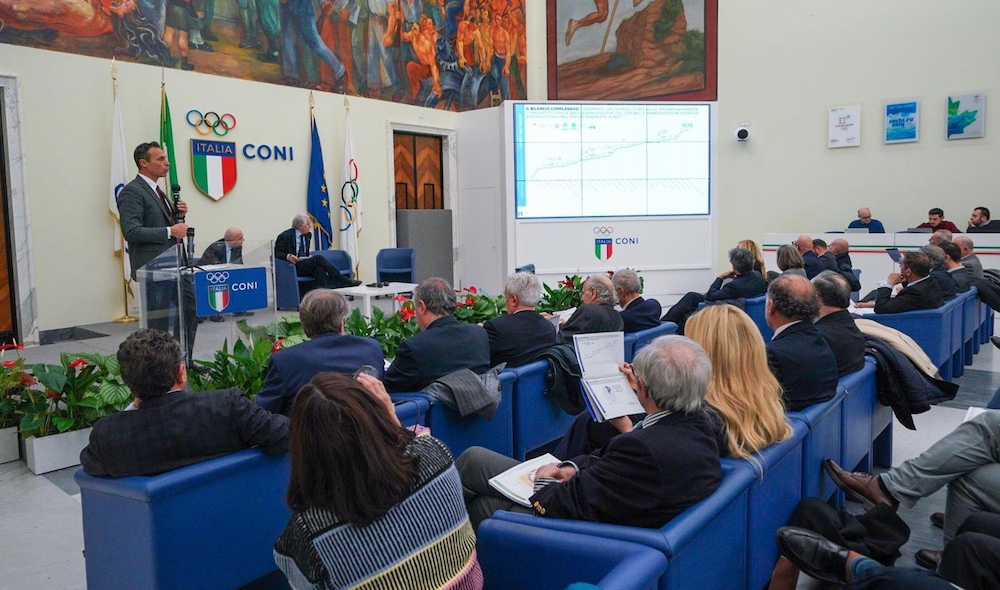
Report presented on Italian sports results 2013-2022. Malagò: the numbers make us proud
- REPORT
Ten years of steady, gradual growth in sports results, in spite of increased international competition, declining national demographics and a reduction in public funding. This is what emerges from “The positioning of Italian sport at Olympic level”, a 67-page report into the evolution of results from 2013 to 2022, presented this morning at CONI’s Salone d’Onore by President Giovanni Malagò and Secretary General Carlo Mornati to the press and the National Sports Federations.
“For a long time Carlo Mornati, with the Olympic preparation team, felt it was his duty to inform you about what has happened over the last ten years: these are numbers of which we are very proud” stressed Malagò. “This is an important 'MRI scan': we want to show everything that has been done and that needs to be done in the coming years, regardless of roles. Looking ahead to 2050, if large-scale, precisely targeted public policies do not materialise, even an optimist such as myself would argue that it will be impossible to continue these achievements over the coming decades” added the CONI President.
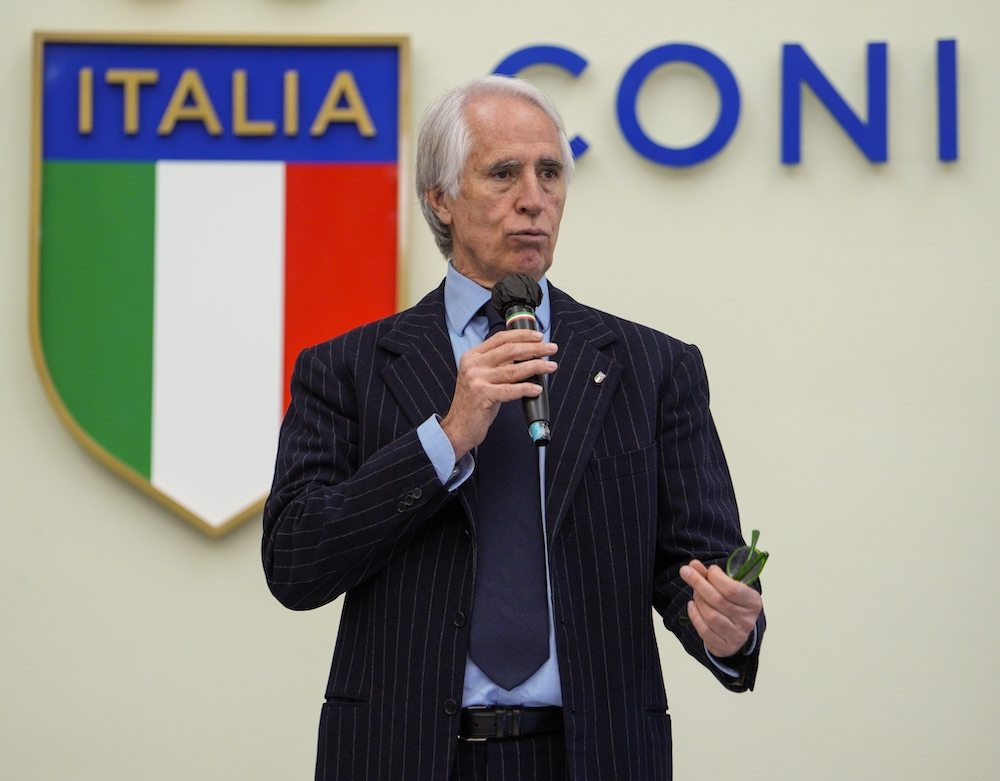
“This is not a snapshot of the last ten years, but a trend for the federations, because it is useless coming up with models if you do not know the numbers” explained Carlo Mornati. “We do not wish to be self-congratulatory, but this is cold, hard data that perfectly sums up the work done by the federations. In recent years there has often been talk of better systems, especially at a European level, but the numbers show how difficult it is to find a model that works better than ours” added the CONI Secretary General.
The data from the report was illustrated by Mornati. In spite of some critical issues, Italian Olympic sport continues to be at the forefront of the international rankings in terms of quality and quantity of results. At the Tokyo Olympics, the level of international participation increased (+23% compared to Barcelona 1992) as did the level of competitiveness (the total number of gold medal-winning nations increased by 76% and the number of medal-winning nations by 45%).
Added to this picture is the demographic decline (Italy has lost some four million people in the 20-34 age bracket from 1996 to 2022) and cutbacks in public funding to Olympic sport, reduced from €3.1 billion in the 1993-1996 Olympic cycle to €1.8 billion in the 2017-2020 cycle.
In spite of this, the negative trend in results that began in the early 2000s has seen a reversal in the last decade, where there has been a steady growth in competitiveness culminating in the exceptional results of the 2021-2022 cycle. The level increased significantly both in overall terms (number of medals and podium places) and as a percentage of the total number of scheduled events.
Specifically, Italy concluded the Tokyo Olympics with 40 medals in 19 disciplines, the highest number of podiums ever achieved at a Summer Games. Excellent results were also achieved at Beijing 2022 with 17 medals, the second highest number of medals ever at the Winter Games. The increase in the overall number of podiums compared to the Beijing 2008-Vancouver 2010 was as high as 78%.
Also worth noting was the increase in female participation, the excellent results achieved in mixed events and the multidisciplinary inclination of our country, with medals won in no fewer than 28 different sports: only the United States, Russia and Japan did better in this particular ranking.
In a context that sees an increasingly strategic approach to resource allocation from a growing number of Olympic committees, which concentrate investments and efforts on those disciplines where the likelihood of medal success is highest, the Italian Olympic Movement is thus showing itself to be multifaceted, winning medals in a wide ranging number of summer and winter Olympic sports and disciplines.
The performances and trends at Olympic level have been confirmed at World and European Championships levels as well as at overall and youth levels. 2022, in particular, was a record-breaking year: no fewer than 219 medals were won in Olympic disciplines at the European Championships, a figure that puts Italy clearly in first place with Great Britain in second place with 139 podiums. Italy is also leads the way at a European level when considering only the competitions in the Olympic programmes for Paris 2024 and Milano Cortina 2026, with 119 podiums, ahead of Great Britain with 90.
As far as the results obtained in the Olympic disciplines at the 2022 World Championships are concerned, Italy ranks third behind the United States (225) and China (141), with 102 medals. Third place is also confirmed when factoring in World Championships for young people, both junior and youth, this time behind the United States (90) and Germany (85).
Looking to the future, the estimated total number of medals for Paris 2024 and Milano Cortina 2026 will be 61 (42 for the French Games, 19 for the Italian Olympics), a figure that would place Italy in sixth place overall, with a 78% increase compared to the Vancouver 2010-London 2012 double edition. Finally, in the virtual medals table of Paris 2024, Italy is currently in fifth place with 42 medals (16 gold, 14 silver and 12 bronze), with a further possible increase compared to the record-breaking Tokyo edition.
(photo Luca Pagliaricci)
Farewell to King Constantine. Honorary IOC member, sailing gold medal winner in Rome 1960 in the waters of Naples
- SPORTS WORLD IN MOURNING
King Constantine of Greece, history’s last Hellenic king, passed away this evening in Athens at the age of 82. As well as being an honorary member of the IOC, he had a special bond with Italy, given that he had taken part and triumphed in the 1960 Olympics in Rome. He did so in sailing, which was contested in the waters of the Gulf of Naples, in the Dragoon class.
King Constantine was also something of a symbolic figure at the only summer Olympics held in Italy. He became the first athlete to enter the Stadio Olimpico at the opening ceremony of the 1960 Rome Games. Having been appointed the Greek flag-bearer, he was the first to enter the field at the opening parade, as it is customary for the Greek national team to lead the other teams out at the Olympics.
On that day, 25 August 1960, his sister Sofia was alongside him as a fellow competitor in sailing in Naples. The future Queen of Spain (she would later marry King Juan Carlos) was with him until the end at his bedside in Athens. King Constantine was born in Psichiko on 2 June 1940. Constantine had become an IOC member in 1963, when only 23 years old, later becoming an honorary member in 1974.
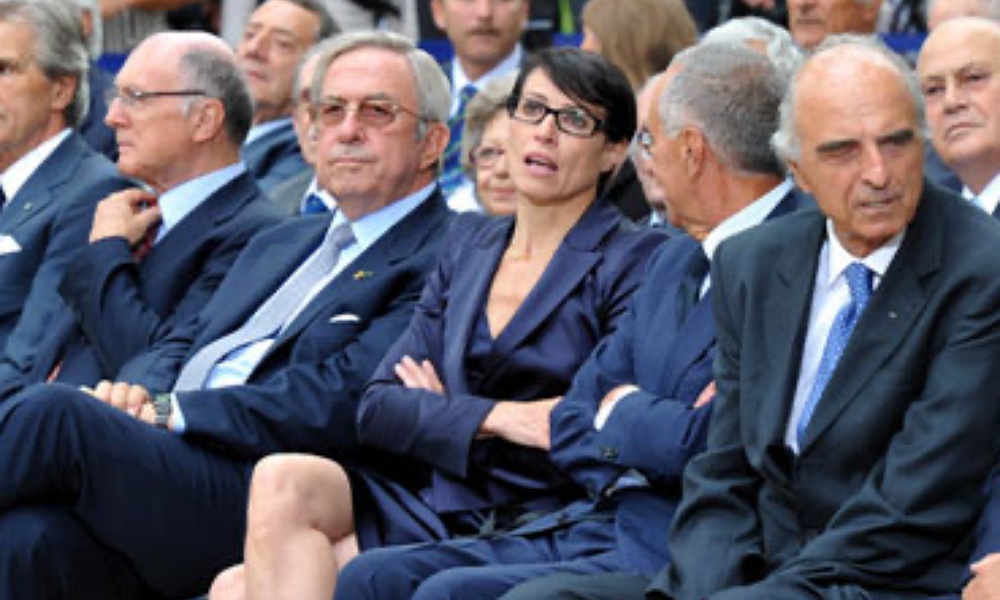
The final appearance of Constantine of Greece in Italy took place on 10 September 2010, in Rome, in the gardens of the Quirinale, received by the then President of the Italian Republic, Giorgio Napolitano, for the celebration of the 50th anniversary of Rome 1960, when all living Olympic and Paralympic champions gathered at the Colle together with a large presence of IOC members, including King Constantine and the future president Thomas Bach. Farewell Constantine, Italy will not forget you! (photo CONI)
Farewell to Vialli. Malagò: “I remember him with the Olympic flag at Turin 2006”
- MOURNING
This morning Gianluca Vialli left us: a champion, an outstanding talent, a symbol of Italian football. He passed away in London, aged just 58, after battling, as he had done on the pitch, against a dire, incurable disease.
One of the greatest centre-forwards in Italian history, he was one of the very few players to have won all three major UEFA club competitions, a feat unique among strikers. He also won numerous other trophies, both national and international.
His records include the title of top scorer at the 1986 Under-21 European Championship; the 1988-1989 Coppa Italia – in which he set the all-time record for goals in a single edition with 13; the 1989-1990 European Cup Winners' Cup and the 1990-1991 Serie A title, the year he won the Scudetto with Sampdoria.
Between 1985 and 1992 he made 59 appearances and scored 16 goals for the national team, participating in two World Cups (Mexico 1986 and Italy 1990) and one European Championship (West Germany 1988); he also played in 21 games and scored 11 goals for the Under-21 team, with which he played in two European Championships (1984 and 1986). In 2015 he was inducted into the Italian football’s Hall of Fame.
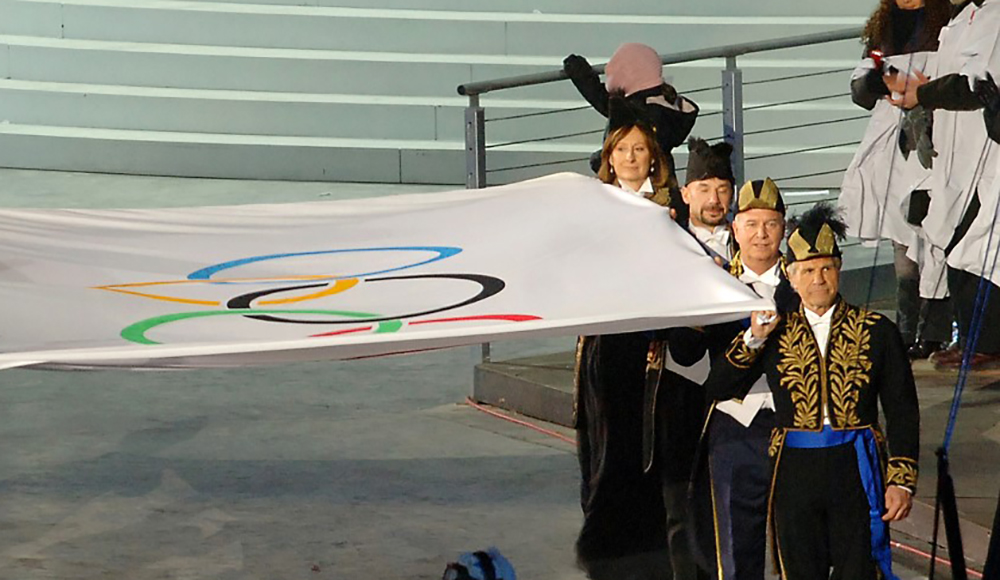
CONI President Giovanni Malagò, upon hearing the news of Vialli’s passing, issued the following statement: “Italian sport and football in particular have lost a champion today, but above all a man who was one of a kind. There are no words to describe the immense sadness that we all feel at this moment. That embrace of his at Wembley with Mancini at last year’s European Championships remains an indelible image of the values of sport inspired by the Olympic spirit. But for that very reason there is another image I would like to remind you of. That of 26 February 2006, when Vialli, along with other illustrious champions, carried the Olympic flag during the closing ceremony of the 2006 Winter Games in Turin, the only footballer to have had such an honour. On behalf of Italian sport, and speaking for myself, I stand alongside the family, remembering the endless thrills that Vialli brought us. Ciao Gianluca!”.
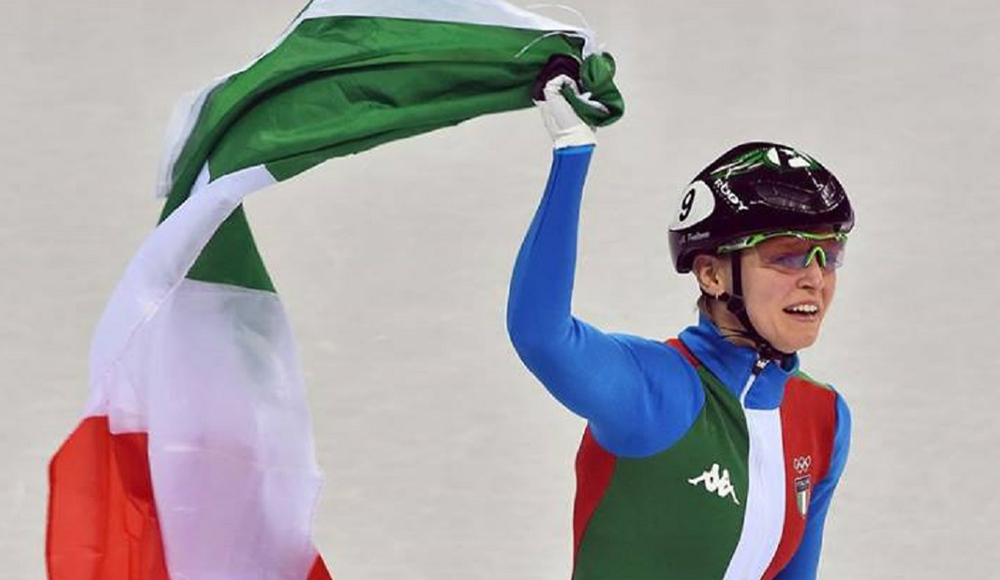
From Arianna Fontana to world champion volleyball team: Italy says goodbye to a record-breaking 2022
- ITALIA TEAM
Italy toasts the end of a triumphant 2022 for Italian sport. The Beijing Winter Olympics rewarded the country with 17 medals (second best result ever after Lillehammer 1994) and a top-10 finish achieved in terms of the number of podium places. After the record-breaking tally in Tokyo of 40 medals, Italia Team registered another noteworthy Olympics result. The gold medals clinched in China by Arianna Fontana (short track) and the Constantini-Mosaner pairing (curling), in addition to the achievement of Sofia Goggia (winning silver in downhill 23 days after a bad knee injury) paved the way for a triumph-filled year.
From the world titles of Pecco Bagnaia and Ducati in MotoGP to that of Diana Bacosi in skeet (shooting), from Filippo Ganna's records (cycling) to the triumphs of the Italian national team in swimming, rowing, fencing and men’s volleyball, as well as Marcell Jacobs (athletics), Sofia Raffaeli (rhythmic gymnastics), Ruggero Tita and Caterina Banti (sailing) and so many others. It was an extraordinary year for Italian sport, which is all set to plunge into 2023.
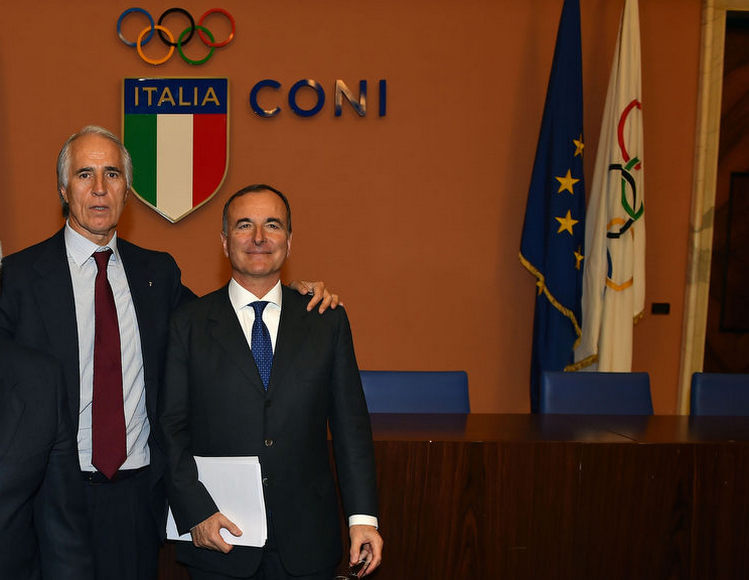
Franco Frattini passes away. President Malagò reminisces: “I have lost a true friend”
- MOURNING
On Christmas night Franco Frattini, President of Italy’s Council of State and, until 29 January this year, President of the Collegio di Garanzia dello Sport at CONI, a role he had held since the conception of this new body in 2014 with the reform of Sport Justice, left us prematurely, at just 65 years of age. Frattini was also an influential member of CAS, the Court of Arbitration for Sport in Lausanne.
Although he held numerous political posts in his lengthy career (including Italian Foreign Minister and European Commissioner), Frattini’s name was also linked to the world of sport. He was awarded the International Olympic Committee’s Collare d’Oro following his positive experience as President of the Works Agency for the 2006 Winter Olympics in Turin. His bond with the world of winter sports had always been a strong one: indeed, he was President of the National Commission of Ski Schools and Instructors (COSCUMA), part of the Federazione Italiana Sport Invernali (FISI), and indeed only a few months ago President Flavio Roda awarded him the title of honorary instructor.
CONI President Giovanni Malagò paid tribute to him as follows: “I’ve lost a true friend. Franco Frattini was a point of reference for me in these years as CONI president. His advice and suggestions were always invaluable for my activity. Italian sport laments the passing of a man from the institutions who always defended the autonomy of sport, carrying out his role with competence and loyalty. I offer my sincerest condolences to the family on behalf of myself and the entire Italian sports world”.
The President of the Collegio di Garanzia, Gabriella Palmieri Sandulli, who took over from Frattini at the head of Italian sport’s highest organ of justice in January 2022, also wished to pay tribute to her illustrious predecessor. "President Frattini was an exceptional servant of the state with an extremely high sense of duty towards the institutions combined with equally exceptional human qualities. His passion for sport in its noblest sense was also demonstrated by his great tenacity, enthusiasm and untiring commitment, which gave prestige and institutional lustre to the Collegio di Garanzia dello Sport. I am truly honoured to hold the office of President after such an impressive predecessor. His example will always guide me and is the model that inspires me. I offer my own personal condolences and in the name of all the Members of the Collegio di Garanzia to his family, to whom we extend our heartfelt sympathy in our great sorrow for such a grave loss".
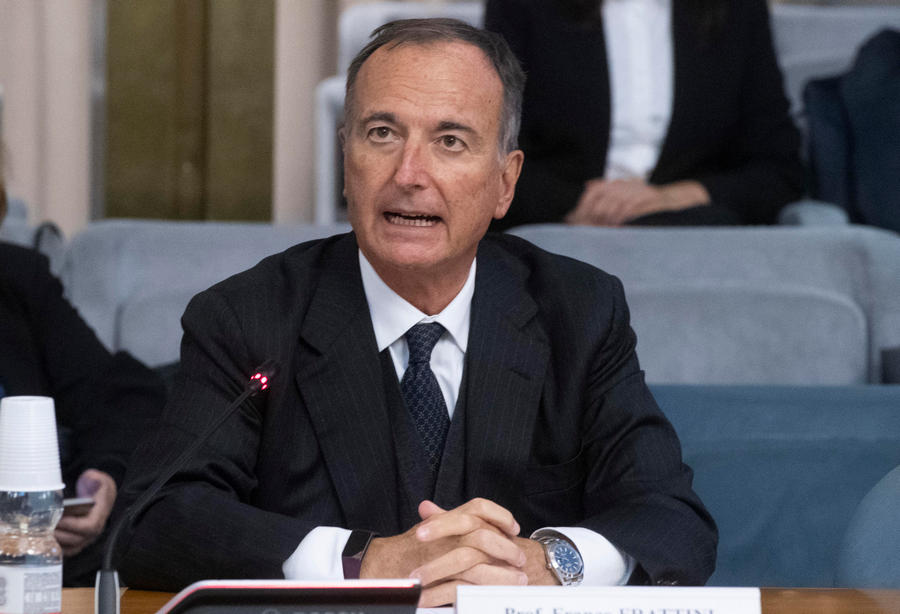
Death of Frattini, Thomas Bach’s condolences: “He was fundamental for IOC recognition at the UN”
- LETTER TO MALAGÒ
“Dear President and friend, it was with great sadness that I learned of the death of Franco Frattini. With his passing, the entire Olympic Movement has lost a great friend and supporter. In all his diverse roles and responsibilities, he was always close to the Italian National Olympic Committee and Italy’s IOC members. His wise advice and help in many situations was always greatly appreciated”. So opens the letter sent by the President of the International Olympic Committee, Thomas Bach, to the President of the Italian National Olympic Committee, Giovanni Malagò, in remembering Franco Frattini, President of the Council of State and until 29 January this year President of the Collegio di Garanzia dello Sport, who passed away on Christmas night.
“Franco Frattini was instrumental in the recognition of the International Olympic Committee at the United Nations General Assembly as an official observer”, continues Bach in the letter. “He made everything possible by presenting the project to the UN member states with his energy and great political skills. Particularly for this great achievement, the Olympic Movement will always be very grateful to him and will bestow upon him the highest honour. My deepest condolences”.
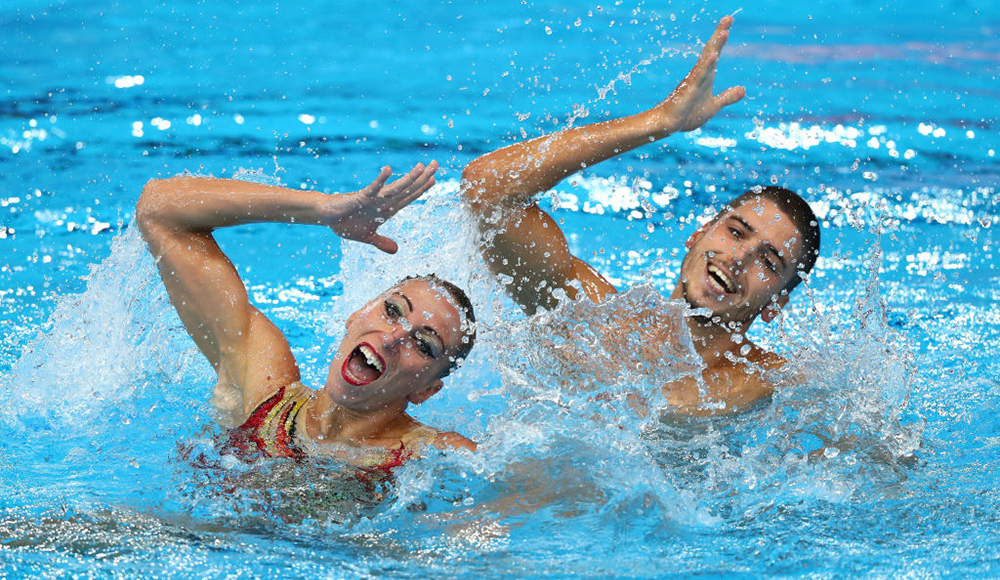
For first time ever, men eligible to compete in artistic swimming at the Olympic Games
- PARIS 2024
The International Olympic Committee has given its approval for World Aquatics to allow men to participate in the Artistic Swimming competitions at the Paris 2024 Olympic Games (Artistic Swimming was formerly known as synchronised swimming until 2017).
Men will now be eligible to compete in the team event. There are eight competitors in each team. The new rules will permit a maximum of two men to compete in each team at the Olympic Games. Ten teams are expected to compete.
Artistic Swimming has been in the Olympic Games since 1984, and this will be the first time that men have been eligible to be included in a team at the Games. Men have been allowed to compete at the FINA World Aquatics Championships since 2015.
This is a day of celebration for those who have campaigned for the inclusion of men in the sport at the Olympic Games and who have pioneered men’s participation.
Bill May (USA) has been one of the leading voices in lobbying for this change. The first-ever male World Champion, in the inaugural mixed duet technical event at the FINA World Aquatics Championships in 2015, he is now a coach.
"The inclusion of men in Olympic Artistic Swimming was once considered the impossible dream. This proves that we should all dream big. The male athletes have endured. Now, through their perseverance and the help and support of so many, all athletes may stand alongside each other equally, reaching for Olympic glory".
Giorgio Minisini (Italy) is one of the leading men currently competing in the sport. He was World Champion at the FINA World Aquatics Championships in the mixed duet technical routine in 2017 and 2022.
"This announcement marks a milestone in Artistic Swimming history. Our sport's evolution towards inclusivity is going on fast forward, and this decision from IOC and World Aquatics will help us become an example for the whole Olympic movement. As one of the most popular sports in the Games, we are ready to share the Olympic motto around the world louder than ever: 'Faster, Higher, Stronger – Together'”.
“Aquatics sports are universal and men have proven themselves to be excellent artistic swimmers. I look forward to seeing this new dimension of Artistic Swimming being shared with the world in Paris. The inclusion of men in Artistic Swimming is a great credit to all those who have worked for many years to make this happen” said World Aquatics President Captain Husain Al-Musallam.
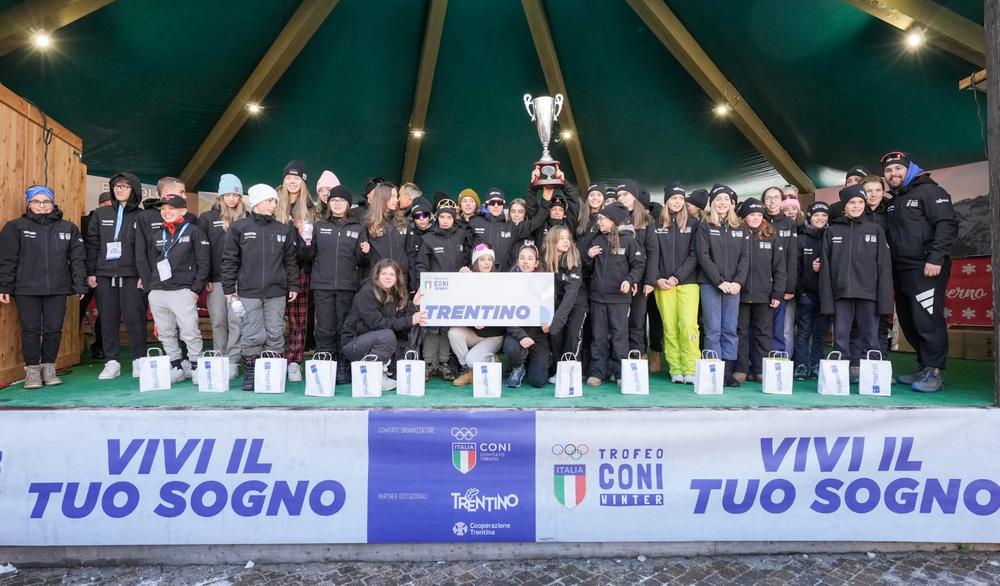
Celebration at Pinzolo, Trentino wins the first Trofeo CONI Winter. Piedmont to host the 2023 edition
- CONI
Trentino has won the first edition of the Trofeo CONI Winter 2022. The Committee, directed by Paola Mora, takes advantage of the “field factor” to inscribe its name into the roll of honour of the winter edition of Italy’s most important multi-sport Under 14 event, hosted in Trentino itself.
The youngsters of the home committee got the better of Piedmont, beating them only by the number of podium disciplines (11 against 9) after having collected 30 points apiece. Lombardy claimed third spot with 28 points (full ranking here). Announcing the final table at the closing ceremony held in Pinzolo’s Piazza Carera, was Cecilia d'Angelo, CONI’s Head of Territory and Promotion.
“It was a great first edition of the Trofeo CONI Winter” acknowledged CONI Vice-President Claudia Giordani. “Thanks to you girls and boys who were the protagonists of this splendid experience. This is one of CONI’s most important projects because it gives value to the presence of the Committee throughout Italy. It is a truly winning formula. My wish is that you will be able to treasure this experience and also be able to view our Olympics with a greater sense of respect and desire for the five Olympic rings and the tricolour. Thanks to Trentino and all its authorities, to Cecilia D'Angelo and Paola Mora, and thanks to all the Committee presidents”.
“Have a good trip home. I wish to thank all the sports associations, the presidents of the FISG and FISI, the autonomous province of Trento and all the volunteers. Happy Trofeo CONI and Happy Christmas holidays” said Paola Mora during the closing ceremony to the youngsters who were about to return home.
The Trophy saw 800 athletes competing, representing 17 regional delegations, who competed against each other in the various disciplines held in eight locations across Trentino.
“On Friday we had a great opening ceremony” outlined the Province of Trento’s sports councillor Roberto Failoni. “We were all tense at an event that we were participating in for the first time. And with great pride we can say 'mission accomplished'. Thanks to everyone. Thank you boys and girls. We hope you had a great time. Thank you also to CONI who believed in us and gave us this opportunity. I truly think we did not disappoint”.
“Mission accomplished indeed” said the Mayor of Pinzolo, Michele Cereghini. “Three days full of thrills and satisfaction. I would like to thank Paola Mora, and CONI and Vice-President Claudia Giordani. Sport is a combination of many things, I’d like to thank all the committees, the boys and girls and their families. At this event, sport came out the winner”.
At the end of the Ceremony there was the handover to Piedmont, with the CONI flag and the torch passing from the hands of the president of CONI Trento, Paola Mora, to that of CONI Piedmont president, Stefano Mossino. The 2023 challenge is underway.
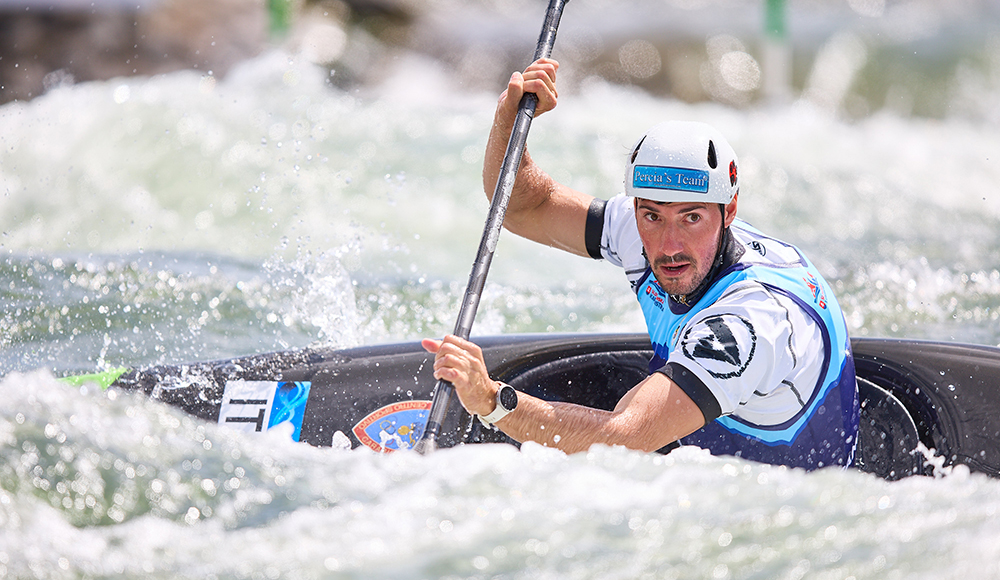
Canoe slalom road to Paris 2024 revealed
- OLYMPIC GAMES
The International Olympic Committee has approved the final canoe slalom qualification pathway for the Paris 2024 Games, which will feature the debut of the exciting new kayak cross event.
There will be a total of 82 quota places available for Paris – 41 men and 41 women – the same number for the Tokyo Olympic canoe slalom competition.
In Paris a total of six athletes from one country will be allowed to qualify – one each in men’s and women’s kayak, men’s and women’s canoe and men’s and women’s kayak cross. While only one athlete from each country will be allowed to contest the kayak and canoe events, two athletes will be permitted to compete in the kayak cross.
The approved pathway spells out how athlete quota places will be allocated through the Global and Continental Qualification Competitions, and also sets out the qualification timeline.
The global qualifier will be the 2023 ICF World Championships in Lee Valley, London, in September, where15 quotas in both men’s and women’s kayak, and 12 in men’s and women’s canoe, will be on offer.
The ICF will organise a kayak cross global qualification competition in Prague in 2024 where three Olympic quotas in both the men’s and women’s kayak cross will be allocated. Only athletes who have not yet qualified a quota place in and canoe or kayak event will be entitled to enter.
Each country will be allowed to enter three athletes per gender in the kayak cross global qualifier, and the highest ranked eligible countries in each gender will be awarded an Olympic ticket.
One Olympic quota position in each of the men’s and women’s canoe and kayak events at the continental qualifiers will be on offer, but there will be no kayak cross quotas available.
An athlete can only earn a quota for one event for their country. France will be allocated one athlete quota place for each gender, provisionally in the kayak events.
The qualification pathway details where and when each of the continental qualifying competitions will be held, although some dates and venues are still to be confirmed.
“Official approval of the qualification pathway for Paris 2024 signals the firing of the starter’s gun for countries to start to prepare their campaign for the next Olympic Games” ICF Canoe Slalom Committee chair, Jean-Michel Prono, said.
“The addition of kayak cross adds an exciting element for the next Olympics, and will give countries an opportunity to showcase an additional elite athlete on the world stage. In many ways, qualifying for the Olympics is just as exciting and sometimes just as difficult as competing at the Olympics, so we are looking forward to what should be a fascinating build-up to Paris 2024”.
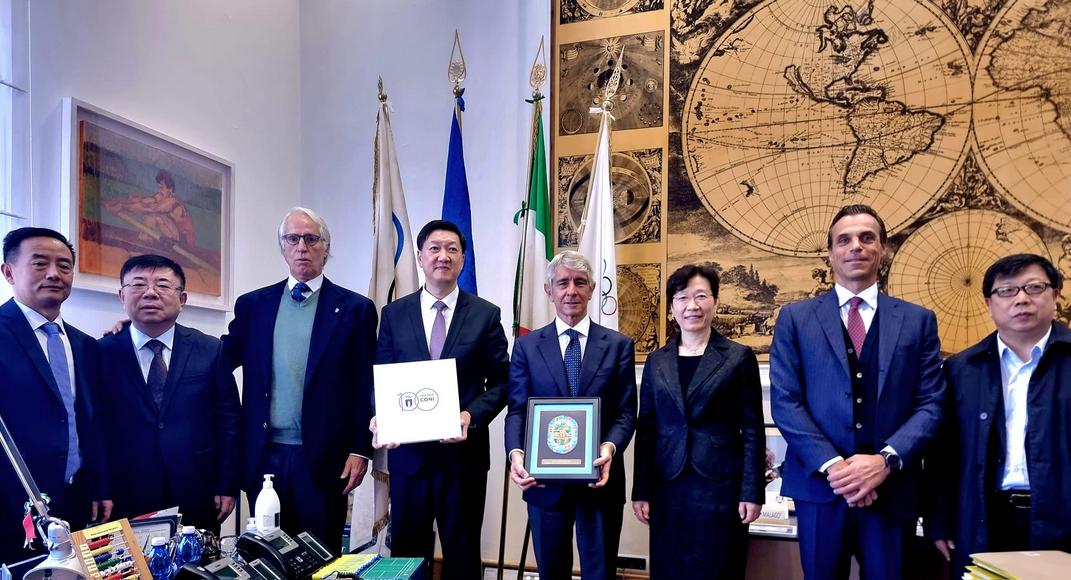
Abodi and Malagò meet the Minister for Sport and President of the Chinese Olympic Committee Gao Zhidan. Memorandum of understanding signed
- AT CONI
The Minister for Sport and Youth, Andrea Abodi, and the President of CONI, Giovanni Malagò, together with the Secretary General, Carlo Mornati, met today at the Foro Italico with the Chinese Minister of Sport and President of the Chinese Olympic Committee, Gao Zhidan.
The foreign delegation included, among others, the NOC Vice President and General Director of Winter Sports, Ni Huizhong, the Vice President and Acting General Secretary, Wu Jian, as well as the Acting Chargé d'Affaires of the Chinese Embassy in Italy, Zheng Xuan.
During the meeting, the collaborative relationship between the two Olympic Committees was consolidated – starting from the know-how gained during the recent Beijing 2022 experience – through the signing of a specific, functional memorandum of understanding for the organisation of the Milano-Cortina 2026 Olympic and Paralympic Games and aimed at the development of winter sports and synergic cooperation in the field of athletic preparation.
Page 49 of 146