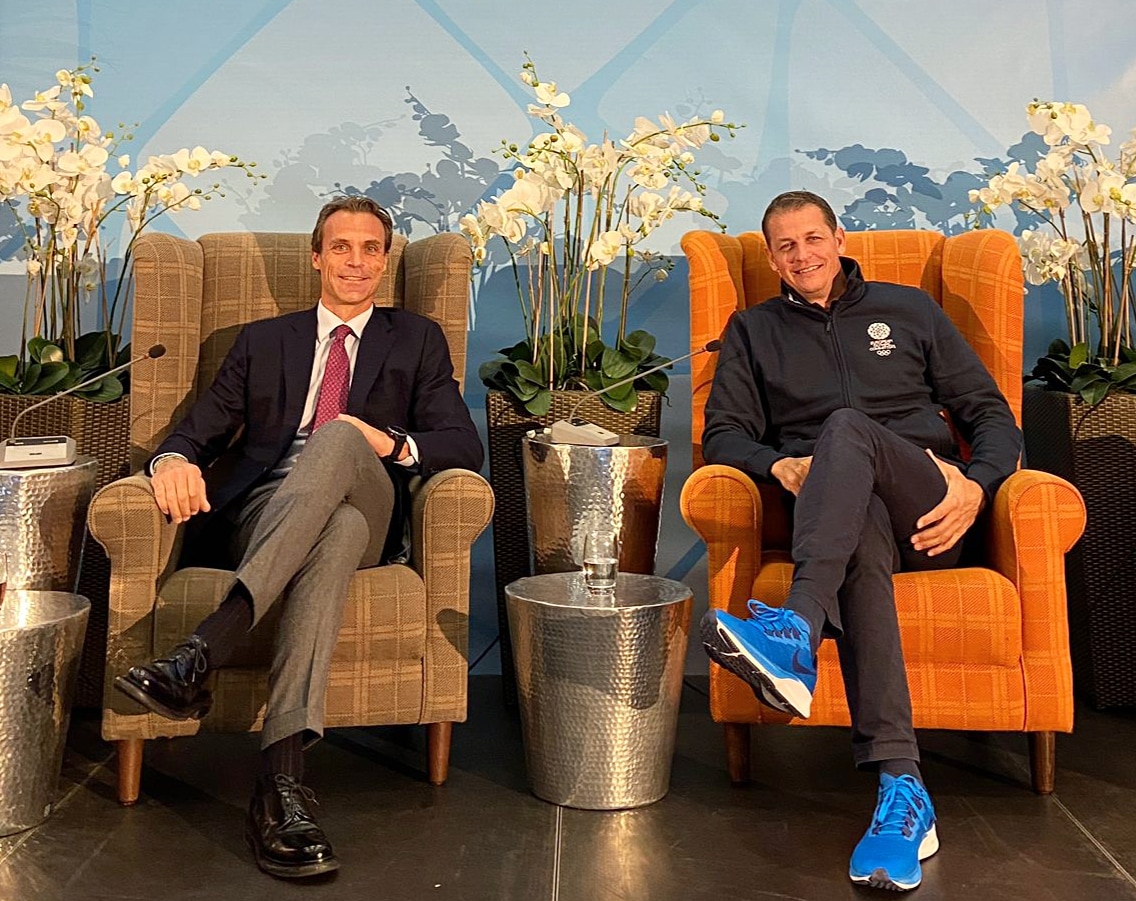
Carlo Mornati in Slovakia for the 41st EOC Seminar
- EUROPEAN OLYMPIC COMMITTEES
The European Olympic Committees gathered in Slovakia to analyse the current state of play of continental sport. The 41st EOC Seminar kicked off yesterday in Samorin, the purpose of which is to assess the situation following the end of the Summer Olympic Games in Tokyo and analyse future events, particularly in view of the upcoming Winter Olympic Games in Beijing.
The meeting, the first of the new Chairman, was opened with speeches from the new President, Spyros Capralos; the Secretary General of the Slovak Olympic Committee, Josef Liba; and the State Secretary for Sport of the Slovak Republic, Ivan Husar.
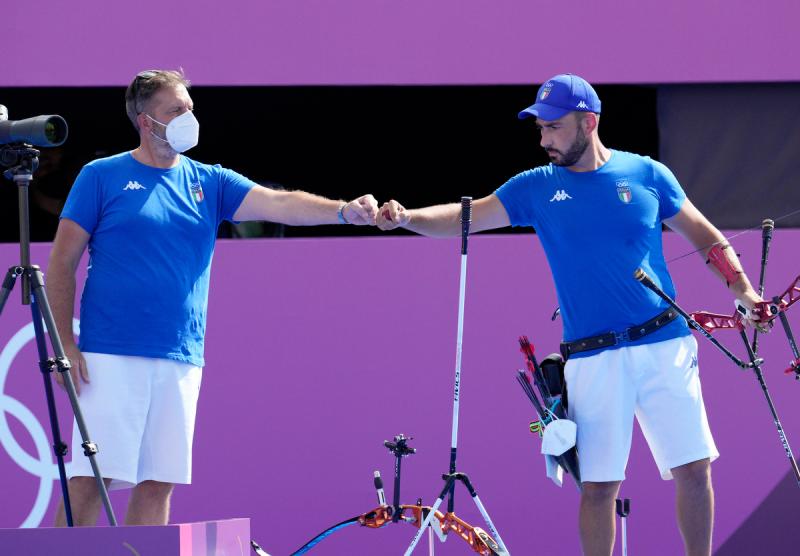
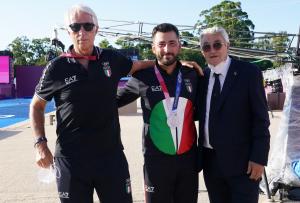
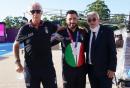
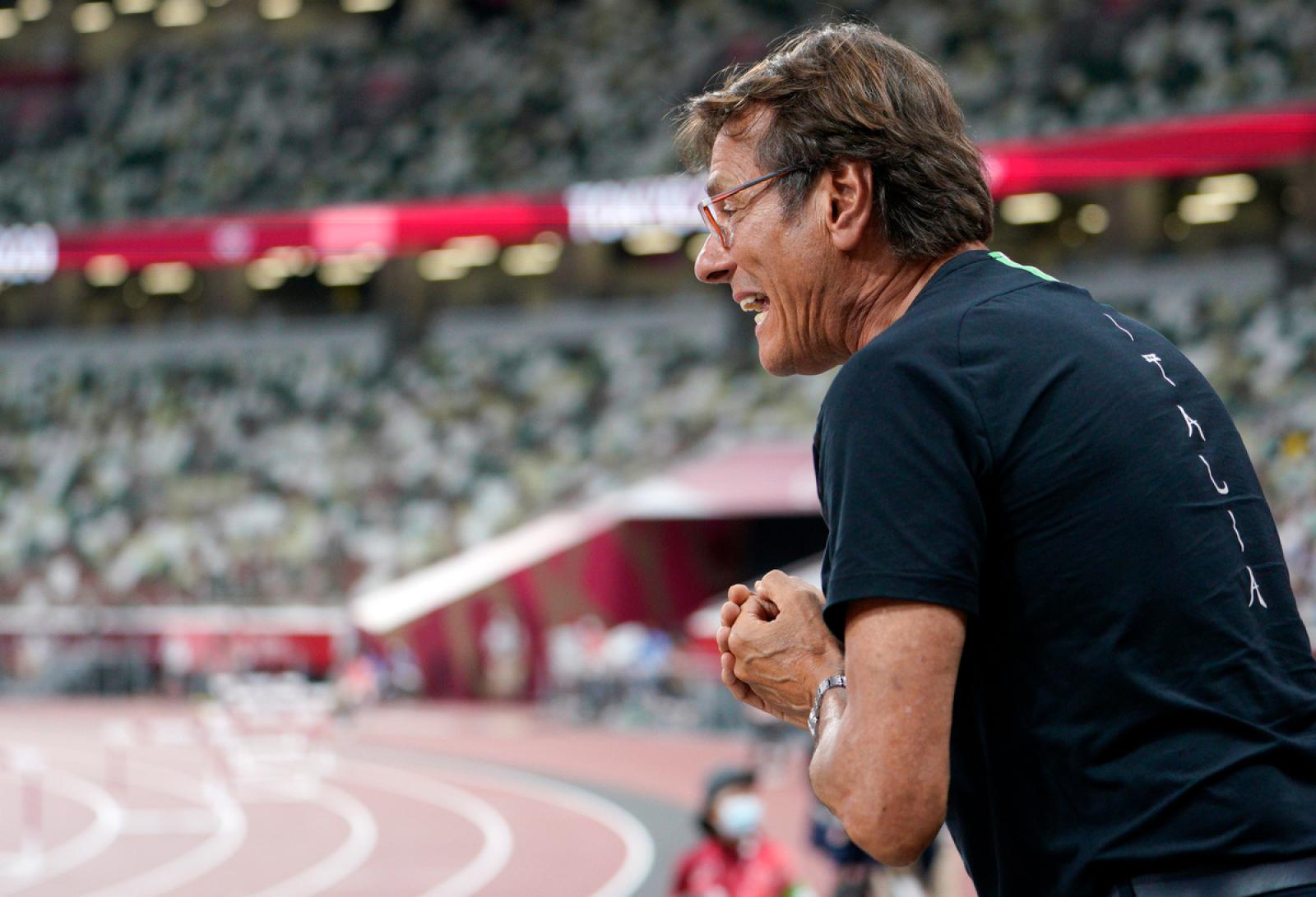
CONI is represented by Secretary General Carlo Mornati (pictured in the photo enjoying a pleasant meeting with his colleague, and former rower, Djordje Visacki, now Secretary General of the Serbian NOC). Delegates from 44 of the 50 European National Olympic Committees were present. Updates on the format of the seminar were presented by EOC Secretary General Raffaele Pagnozzi: thanks to a dedicated App, all questions were asked electronically.
Deputy Director of Olympic Solidarity, Pamela Vipond, started the presentations by giving an overview of the support provided to the world's National Olympic Committees (NOCs) for the Tokyo 2020 Olympic Games. In total, 310 European athletes received scholarships, with 70 of them winning medals at Tokyo 2020 and 101 of them obtaining diplomas.
The day was divided into two main themes: ‘After Tokyo 2020' and ‘The Best Path to the Future'. The Secretary General of the Association of National Olympic Committees (ANOC), Gunilla Lindberg, and Head of NOC Games Services and NOC Relations, Toshio Tsurunaga, started proceedings with a detailed account of Tokyo 2020, with a special focus on the measures taken to overcome the critical issues related to COVID-19.
The focus then shifted to the extraordinary performances of European athletes at Tokyo 2020. Peter Brüll, EOC Sports Director, gave a general overview, noting that athletes from 40 of the 50 European NOCs won medals, accounting for almost half (48.43%) of the total.
The topic was discussed in depth with speeches from Antonio La Torre, Technical Director of the Italian Athletics Federation (FIDAL), among others.
After an IOC update on the preparations for Beijing 2022, the seminar analysed future scenarios including in terms of preventing the disruption of sporting competitions, the 2030 EOC strategic agenda and EU projects to support the National Olympic Committees.
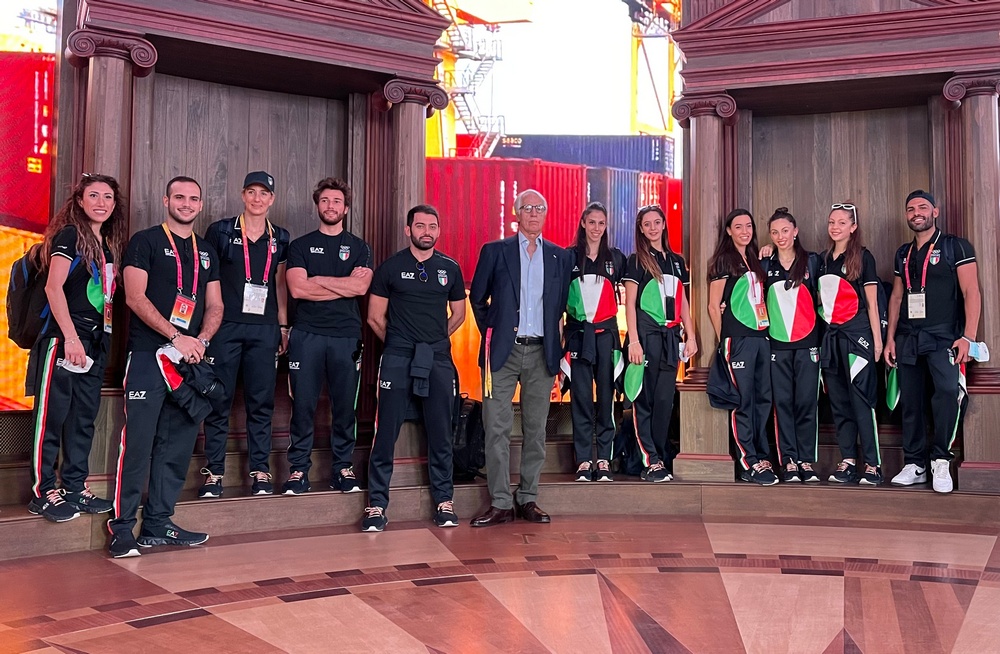
‘Italian Sports Day': Italian excellence in Dubai. Malagò: we want to keep up this momentum
- EXPO 2020
Turning the spotlight on sports. That which excites, wins and conquers. The best image of the country in the world. As part of the 2020 Expo, a spectacular look back at an unforgettable 2021 was staged at the Italy Pavilion in Dubai in celebration of the fantastic successes of a special year and the protagonists whose achievements bring honour and prestige to the country.
The ‘Italian Sports Day’ has captured all of our victories, offering a 'universal' view of them from competitive, economic and logistical perspectives. The day was opened with a speech from Paolo Glisenti, Commissioner General for Italy at Expo 2020, and with introductory addresses from the Undersecretary for Sport, Valentina Vezzali; the President of CONI, Giovanni Malagò; and the President of CIP, Luca Pancalli, in 'The Beauty of Sport’ panel.
Paolo Glisenti emphasised the central role given to sport by the event. "We recognise the importance of this extraordinary sector in terms of the values it promotes and the great social impact it has. This is the first time that the EXPO has made sport the central theme of the event and we are proud of this new development. Sport is a tool that establishes mutli-disciplinary connections and shared experiences. I am grateful to all the participants because they have taught us that overcoming challenges and respecting others are important aspects in all of our lives”.
Valentina Vezzali was keen to draw attention to how much has been achieved since the beginning of this spectacular year. “We want to celebrate sport, its beauty and our country. The pandemic severely impacted this sector, but it has managed to get back on track, rewarding us with a magical summer full of achievements and records. It offers job opportunities and contributes to the national GDP. Sport is life, effort, emotion, and love. In my long career there have been many victories but also tears shed over missed opportunities. Sport has been my second home, my family when I was thousands of kilometres away from home. It has helped me overcome my insecurities, because it makes people dream and offers a lifeline to those who think they have lost everything”.
President Malagò: “I remember when Paolo Glisenti spoke to me enthusiastically about this project, and it's true that he always envisioned sport at centre stage, even before our successes. We are proud of the outstanding people present, because it is they who make the country great. We each carry a value, that of being Italian, and we are especially proud of it this year because of all that we have achieved. Maybe in a few years' time there will be people who are more prominent, more cultured and capable than us, people from the worlds of film, theatre, literature, science or academia, but right now sport and Team Italy are uniting everyone in this wonderful moment of beauty. Our successes did not happen by chance, but by hard work. There are variables, of course, but our goal in terms of Olympic Preparation is to make the most of our talent, without forgetting the human dimension. The Expo is a loudspeaker through which we can tell the world about Italian sport: we want this moment to continue”.
President Pancalli: "In addition to the 109 medals won at the Olympics and Paralympics and the 'small contribution' this has made to the GDP, thanks to sport, a cultural revolution is taking place" and "barriers that we could never have imagined breaking through have come crashing down. All this is to the benefit of the country, which must be ready to step up to the challenges. Sport is a tool for supporting and celebrating the country's potential, not only its economic value, but also its beauty: today, Italy is regarded as a shining example in this sphere. And that’s not all: sport also helps us appreciate diversity”.
Vincenzo Novari, CEO of Milano Cortina 2026, spoke in the panel entitled 'Next, the great sporting events', which focussed on the Winter Olympic Games to be held in Italy. "We are trying to implement a quiet revolution, with much support from the IOC. We came up with two or three revolutionary ideas that we carried forward and managed to get on the new agenda. The first step is a strategic, people-centred approach: our society has an absolute need for sport, which is the only thing that can change society from within. Sport unites people and does good. The Winter Games are sometimes seen as the poor man’s version of the Summer Games. But we are trying to change this mentality and make the Winter Games the Games of all Italians from the moment we take the Olympic and Paralympic flag in Beijing. We are now at the start of our 4-year journey which will see Italy transformed into a huge open-air stadium”. CEO of Inter Milan, Alessandro Antonello, presented 'I M FC Internazionale Milano - Made in Italy: from the football pitch to the world'.
Minister of Foreign Affairs and International Cooperation, Luigi Di Maio, opened the session dedicated to ‘100 years of Monza and the Made in Italy GP: Italy, the double world excellence of Motorsport', which included speeches by ACI President Angelo Sticchi Damiani and Formula One Group CEO Stefano Domenicali.
“Italian sport has proven to be an extraordinary driving force for the all-round promotion of ‘Made in Italy’. I’m referring here to the relationship between sport and nutrition and the promotion of the healthy Mediterranean diet and lifestyle; and to our close links with fashion and design, as demonstrated by the official football strip for our national team at Euro 2020, which was designed by Armani. Equally important is the link between sport and scientific and technological research, both in the area of ordinary equipment and in the development of prostheses and equipment for Paralympic champions,” continued Minister Di Maio. "The universal language of sport has a fundamental role as a tool for education and social inclusion, but also for diplomacy, fostering dialogue and peace between nations and for the achievement of the UN 2030 Agenda for Sustainable Development goals”.
There will be a large number of athletes present, starting with Tokyo 2020 gold medallists Ruggero Tita and Caterina Banti (Sailing - Nacra 17); Antonella Palmisano (Athletics - 20 km racewalking); and Luigi Busà (Karate - Kumite), and closely followed by team sabre fencing silver medallists, Luca Curatoli and Enrico Berrè; and the bronze medallist Butterflies in rhythmic gymnastics, Martina Centofanti, Agnese Duranti, Alessia Maurelli, Daniela Mogurean and Martina Santandrea, accompanied by the national team technical director and CONI Council member, Emanuela Maccarani. Representing the world of Paralympics will be Tokyo gold medallist in swimming, Simone Barlaam; Vincenza Petrilli, a silver medal winner in archery; and Veronica Yoko Plebani, who won bronze in the paratriathlon.
The ‘Women and Sport’ panel features Novella Calligaris, Emanuela Maccarani, Vincenza Petrilli, Antonella Palmisano and Caterina Banti who will speak about their successful experiences and the role played by sport in furthering their ambitions and giving their talent a voice.
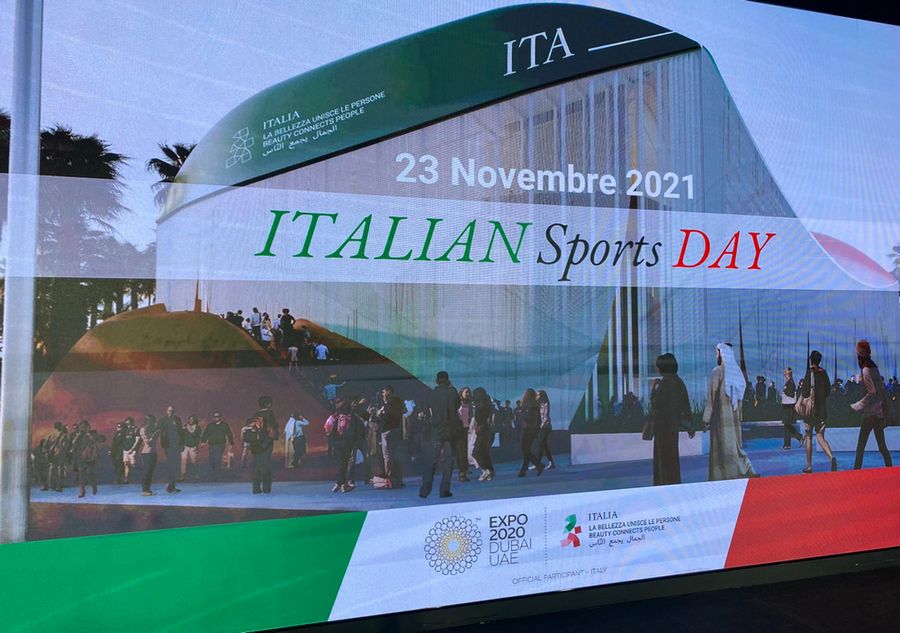
Tomorrow at the Dubai Expo: a celebration of ‘Italian Sports Day’, President Malagò and the Italian champions
- CONI
Italian sport takes centre stage in Dubai. Tomorrow, the Expo’s Italy Pavilion will dedicate the entire day to the world of sport, one of Italy’s greatest assets, as confirmed by a spectacular summer that has brought so much joy to Azzurri fans. The Italian Sports Day will give a 360° insight into this entire sector, from competitive and economic perspectives to a logistical one.
The day will begin with the ‘Beauty of Sport’ panel which, after an opening speech from Commissioner General of Italy, Paolo Glisenti, will be hosted by the President of CONI, Giovanni Malagò; the Undersecretary to the Presidency of the Council of Ministers for sport, Valentina Vezzali; and the President of the Italian Paralympic Committee, Luca Pancalli.
After their first event in October, the Tokyo 2020 Olympic and Paralympic medallists will return to the Expo to take part in the 'Women and Sport' and 'Italian Sport Stars' talks.
The CEO of Milano Cortina 2026, Vincenzo Novari, will be speaking on the panel entitled 'Next, the great sporting events'. Alessandro Antonello, the CEO of Inter Milan, will present 'I M FC Internazionale Milano - Made in Italy: from the football pitch to the world'.
Minister of Foreign Affairs and International Cooperation, Luigi Di Maio, will open the session dedicated to '100 years of Monza and the Made in Italy GP: Italy, the double world excellence of Motorsport', including speeches by ACI President Angelo Sticchi Damiani and Formula One Group CEO Stefano Domenicali.
Two-wheelers will have their turn in the spotlight with 'Giro d'Italia - The world's toughest race in the world's most beautiful country’, with Michele Napoli, CEO of Rcs Sports & Events DMCC, who will discuss the evolution of the race from sporting event to communication platform and the development of the Giro d'Italia Criterium - Dubai.
There will be a large number of athletes present, starting with Tokyo 2020 gold medallists Ruggero Tita and Caterina Banti (Sailing - Nacra 17); Antonella Palmisano (Athletics - 20 km racewalking); and Luigi Busà (Karate - Kumite), and closely followed by team sabre fencing silver medallists, Luca Curatoli and Enrico Berrè; and the bronze medallist Butterflies in rhythmic gymnastics, Martina Centofanti, Agnese Duranti, Alessia Maurelli, Daniela Mogurean and Martina Santandrea, accompanied by the national team technical director and CONI Council member, Emanuela Maccarani.
Representing the world of Paralympics will be Tokyo gold medallist in swimming, Simone Barlaam; Vincenza Petrilli, a silver medal winner in archery; and Veronica Yoko Plebani, who won bronze in the paratriathlon.
The day will be rounded off with a screening of Volfango De Biasi's film, 'Crazy for football' and with 'For fun, for sport', a multidisciplinary activity based on the experience of CONI Centres and scheduled to take place in the Expo Sports, Fitness and Wellbeing Hub.
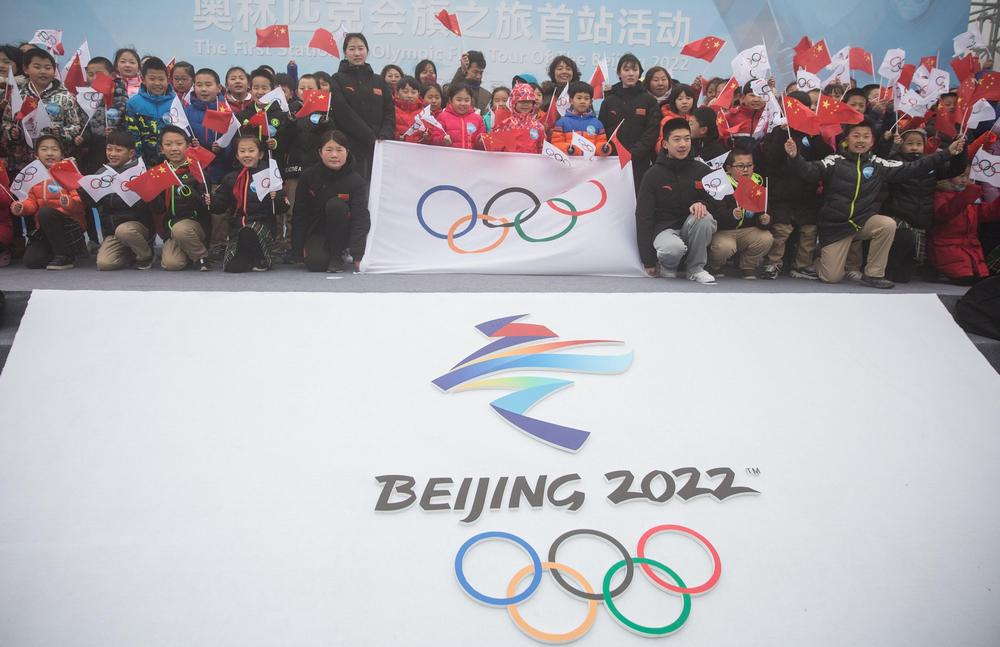
Beijing 2022, updates on Spectators, Vaccination and COVID-19 Countermeasures
- OLYMPIC GAMES
The International Olympic Committee (IOC) held an Executive Board (EB) meeting today, in the presence of the International Paralympic Committee (IPC). Beijing 2022 informed the EB of the principles that will help deliver safe and successful Olympic and Paralympic Winter Games as scheduled.
Considering the above objective, the IOC and IPC fully respect the principles established by Beijing 2022.
These principles are based on wide-ranging consultations with international experts and the Chinese authorities, as well as the experience of Olympic and Paralympic stakeholders.
The principles presented by Beijing 2022 will be detailed in the Playbooks. The first version of these Playbooks will be released in late October. A second version will then be published in December.
- Vaccination policy
- All athletes and Games participants who are fully vaccinated will enter the closed-loop management system upon arrival. Games participants who are not fully vaccinated will have to serve a 21-day quarantine upon arrival in Beijing.
- Athletes who can provide a justified medical exemption will have their cases considered.
- All vaccines recognised by WHO or related international organisations, or approved officially by the countries or regions concerned, will be accepted.
- Games-time closed-loop management
- From 23 January until the end of the Paralympics, a closed-loop management system will be implemented to ensure the safe delivery of the Games. This closed-loop management system will cover all Games-related areas, including arrival and departure, transport, accommodation, catering, competitions, and the Opening and Closing Ceremonies. Within the closed loop, participants will be allowed to move only between Games-related venues for training, competitions and work. A dedicated Games transport system will be put in place.
- Spectators/Ticketing
- Tickets will be sold exclusively to spectators residing in China’s mainland, who meet the requirements of the COVID-19 countermeasures.
- Specific requirements on COVID-19 countermeasures for spectators from China’s mainland and the details of ticketing arrangements are under discussion and development, and will be released to the public in due course once they are finalised.
- Accredited guest policy
- Beijing 2022 and the IOC underlined that all activities are being assessed and optimised to focus on essential aspects of Games delivery. Stakeholders will apply this principle for their plans and delegation composition.
- In line with this principle, the IOC EB decided to cancel the accompanying guest category for all stakeholders.
- Travel
- Beijing 2022 will assist those stakeholders that are not in a position to book their pre-Games or Games-time flights independently.
- Accommodation
- Besides athletes and some delegation officials who are accompanying athletes living in the Villages, all participants travelling to Beijing will reside in Beijing 2022-contracted hotels that will be compliant with the COVID-19 countermeasures for the Games.
- Testing
- All domestic and international Games participants and workforce in the closed-loop management system will be subject to daily testing.
The IOC and IPC welcome the decision to allow for the sale of tickets to spectators residing in China’s mainland. This will facilitate the growth of winter sports in China by giving those spectators a first-hand Olympic and Paralympic experience of elite winter sports, as well as bringing a favourable atmosphere to the venues. However, all parties feel for the athletes and the spectators from around the world, knowing that the restriction on spectators from outside mainland China had to be put in place in order to ensure the safe holding of the Games this winter.
Further information about the implementation of these policies and additional information about COVID-19 countermeasures will be detailed in the Playbooks, which will be released in late October and December.
The Olympic Winter Games Beijing 2022 will take place between 4 and 20 February, while the Paralympic Winter Games will be held from 4 until 13 March.
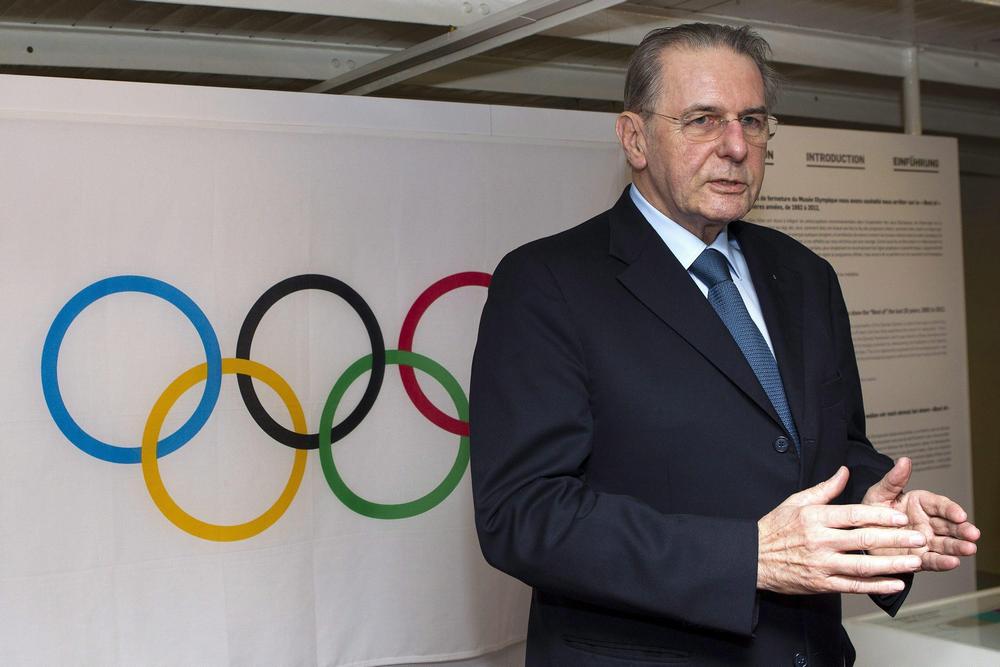
IOC announces passing of former President Jacques Rogge
- FROM 2001 to 2013
It is with great sadness that the International Olympic Committee (IOC) announces the passing of former IOC President Count Jacques Rogge. He was 79 years old.
Rogge was the eighth President of the IOC, from 2001 to 2013, after which he became Honorary President.
He was married to Anne, and leaves a son, a daughter and two grandchildren.
Rogge was an orthopaedic surgeon with a degree in sports medicine.
A life-long sports fan and an accomplished athlete, Rogge was a Belgian rugby champion and represented his country on the national team. He was a 16-time Belgian national champion and a world champion in sailing. He also competed in sailing at three editions of the Olympic Games, in 1968, 1972 and 1976, in the Finn class.
After his career as an athlete he became President of the Belgian and European Olympic Committees, and was elected President of the IOC in 2001. After his IOC Presidency, he also served as a Special Envoy for Youth, Refugees and Sport to the United Nations.
Remembering his life, IOC President Thomas Bach recalled: “First and foremost, Jacques loved sport and being with athletes - and he transmitted this passion to everyone who knew him. His joy in sport was infectious.
“He was an accomplished President, helping to modernise and transform the IOC. He will be remembered particularly for championing youth sport and for inaugurating the Youth Olympic Games. He was also a fierce proponent of clean sport, and fought tirelessly against the evils of doping.
“Since we were elected as IOC members together we shared a wonderful bond of friendship, and this continued until his last days, when the entire Olympic Movement and I could still benefit from his contribution, in particular on the Board of the Olympic Foundation for Culture and Heritage.
“The entire Olympic Movement will deeply mourn the loss of a great friend and a passionate fan of sport.”
As a mark of respect, the Olympic flag will be flown at half-mast for five days at Olympic House, at The Olympic Museum and at all IOC properties, and the IOC invites all National Olympic Committees and International Federations to join in this gesture of remembrance and honour.
The family has asked that their privacy be respected at this time whilst they grieve for their loss, and that any communication during this period be made through the IOC.
Following a private family ceremony, a public memorial service will take place later in the year, where members and friends of the Olympic Movement will be able to remember his life and his great contribution to sport.
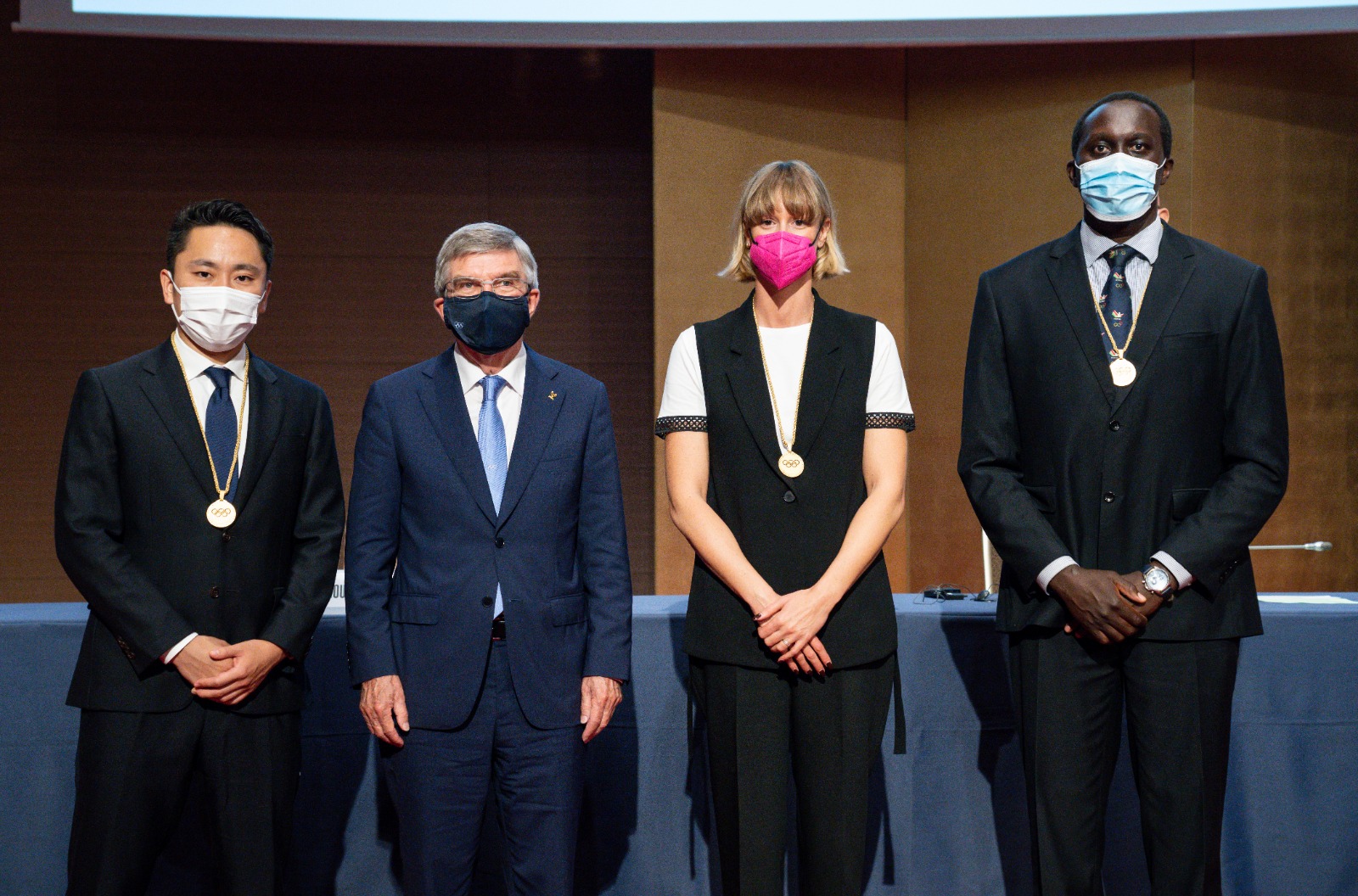
IOC Session wraps up with election of Federica Pellegrini and other new members
- IN TOKYO
In accordance with the IOC AC regulations and in consultation with the outgoing IOC AC Chair, Kirsty Coventry, the IOC President had appointed Humphrey Kayange (Kenya, rugby) to the IOC AC in order to have a better geographical balance. Following this decision, the IOC EB had also proposed him to the Session for election as an IOC Member, in order to ensure that there is an athlete representative from Africa amongst the IOC Members.
In addition, the IOC EB had agreed to propose recently appointed IOC AC member Astrid Uhrenholdt Jacobsen (Norway, cross-country skiing) for election as an IOC Member, in line with the AC regulations. Jacobsen joined the AC earlier this year following the resignation of Kikkan Randall, and will remain on the Commission until the end of her term, which will be at the end of the Olympic Winter Games Milano Cortina 2026.
Both Kayange and Jacobsen were elected as IOC Members by the Session today.
In addition, the IOC Session elected the new Chair of the IOC AC, Emma Terho, as an EB member.
The outgoing members of the IOC Athletes’ Commission are:
- Kirsty Coventry (her status was previously changed to Independent Individual IOC Member, which means that she will remain an IOC Member)
- Danka Bartekova
- Tony Estanguet
- James Tomkins OAM
- Stefan Holm
Today’s elections bring the number of IOC Members to 103 by the end of today.
HRH Crown Prince Frederik of Denmark will leave as an IOC Member and will become an Honorary Member. Prince Frederik had announced in June that he would give up his IOC membership to focus on his duties in Denmark. His resignation was accepted by the IOC.
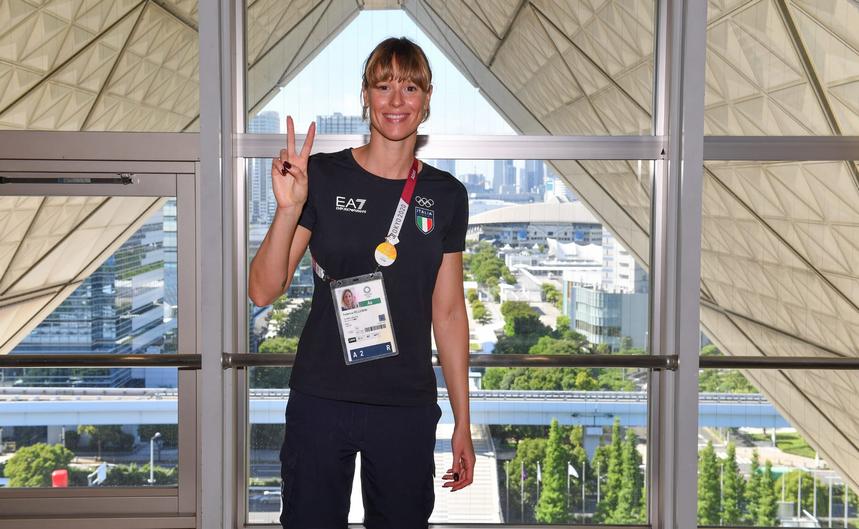
Federica Pellegrini new IOC's member
The athletes at the Olympic Games Tokyo 2020 have elected Pau Gasol, Maja Włoszczowska, Federica Pellegrini and Yuki Ota to the International Olympic Committee (IOC)’s Athletes’ Commission (AC), for a term ending at the Olympic Games LA28. The newly elected members join the Commission to represent the athlete voice within the Olympic Movement.
Between 13 July and 3 August, 6,825 athletes voted in the IOC AC election at the Olympic Games Tokyo 2020, representing a participation rate of 61.27 per cent, one of the highest in the history of AC elections, the first of which was held at the Olympic Games Atlanta 1996.
With the highest number of voting stations for any IOC AC election, athletes had the opportunity to vote in 11 locations, including the Tokyo Olympic Village, satellite villages and other official Tokyo 2020 accommodation sites. In total, 30 candidates, from 30 different countries and representing 19 sports, stood for election.
IOC AC Chair Kirsty Coventry remarked: “It is fantastic to see the high turnout of athletes participating in the Athletes’ Commission election. We had an impressive list of candidates, and I want to thank all of the candidates for putting up their hands to represent athletes from around the world. Congratulations and welcome to the four new members. The work and responsibility of the Commission is as important as ever to represent and support athletes in all stages of their lives. With these new members and those already on the Commission, I know that the IOC Athletes’ Commission is in very good hands to build on the great work done over the years. Remember, you now represent all athletes from around the world, so do your best to better understand all viewpoints, listen, act and support them to the best of your ability". (photo Ferraro GMT Sport)

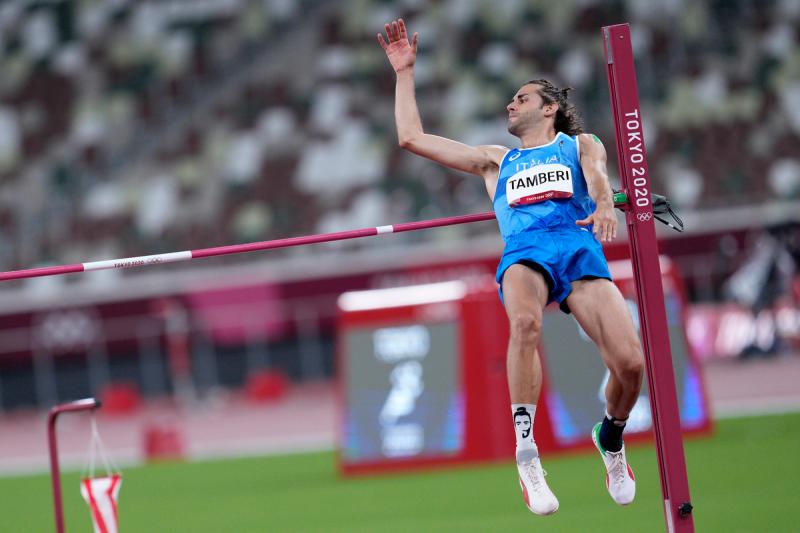
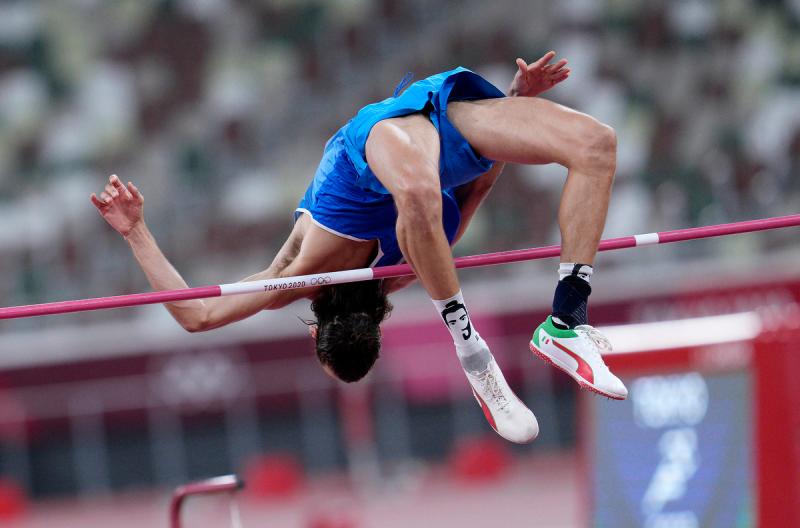
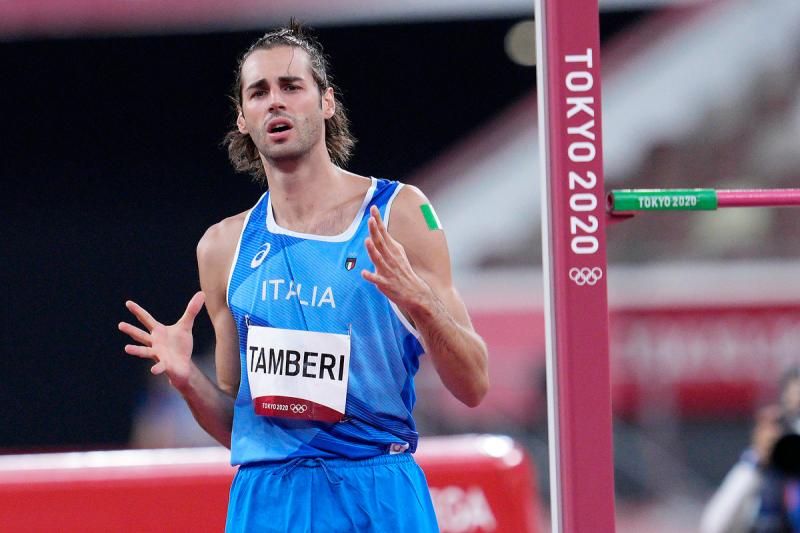
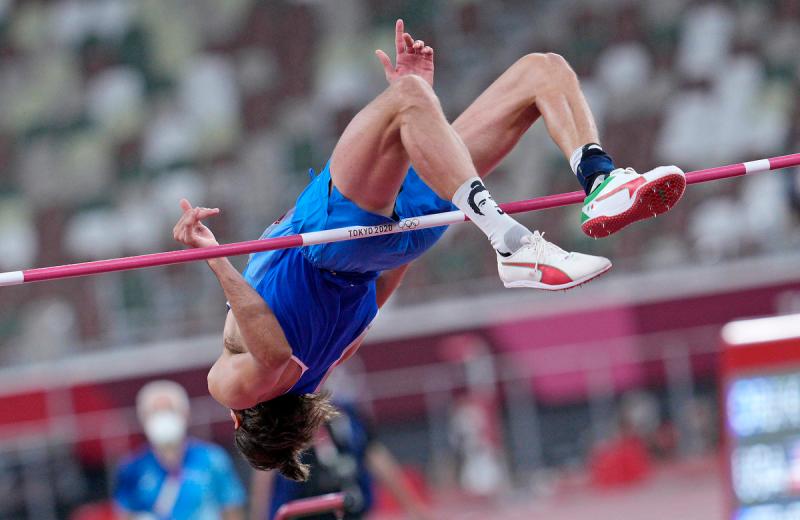
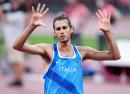
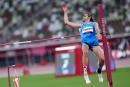
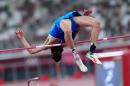
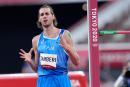
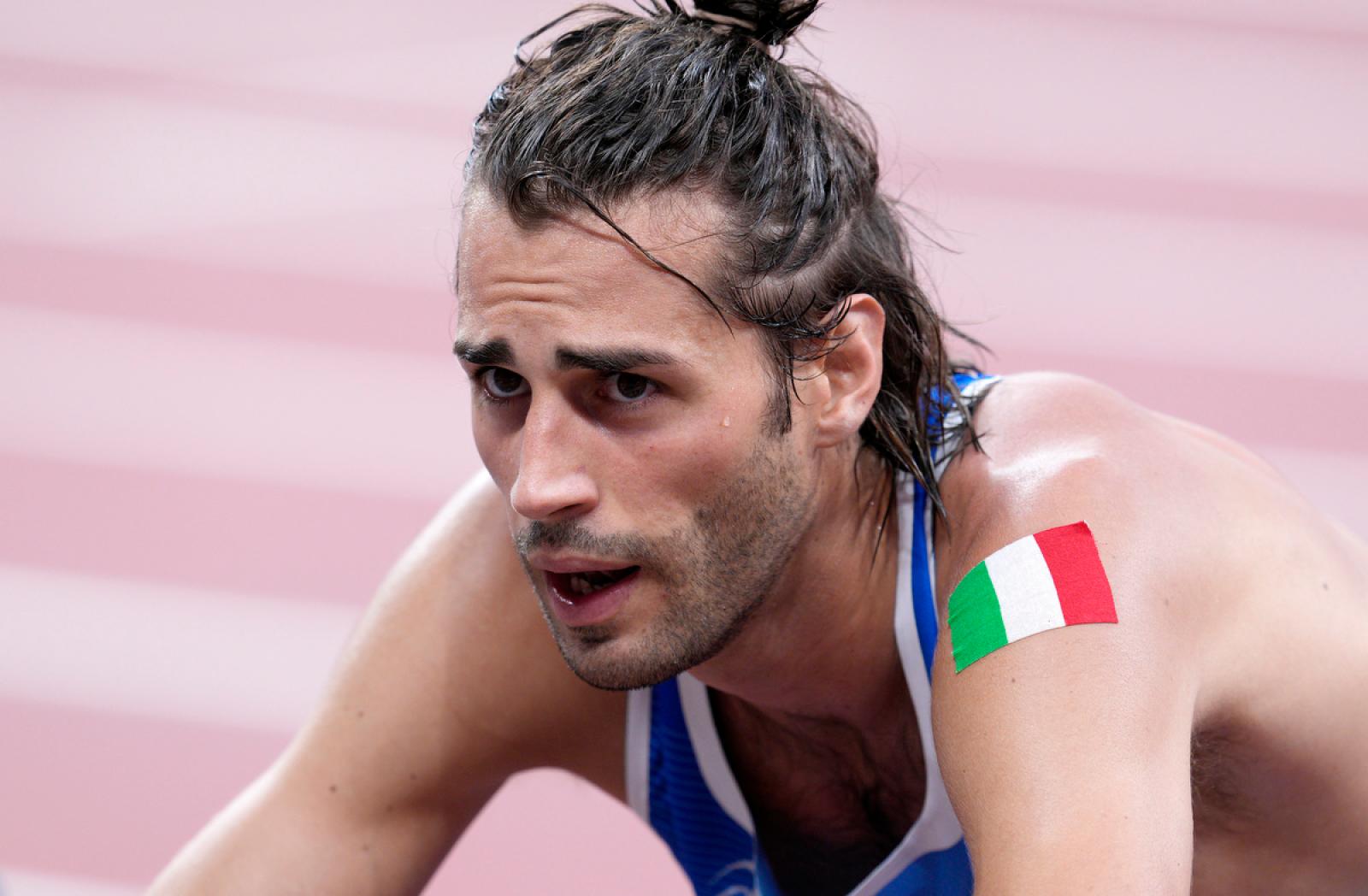
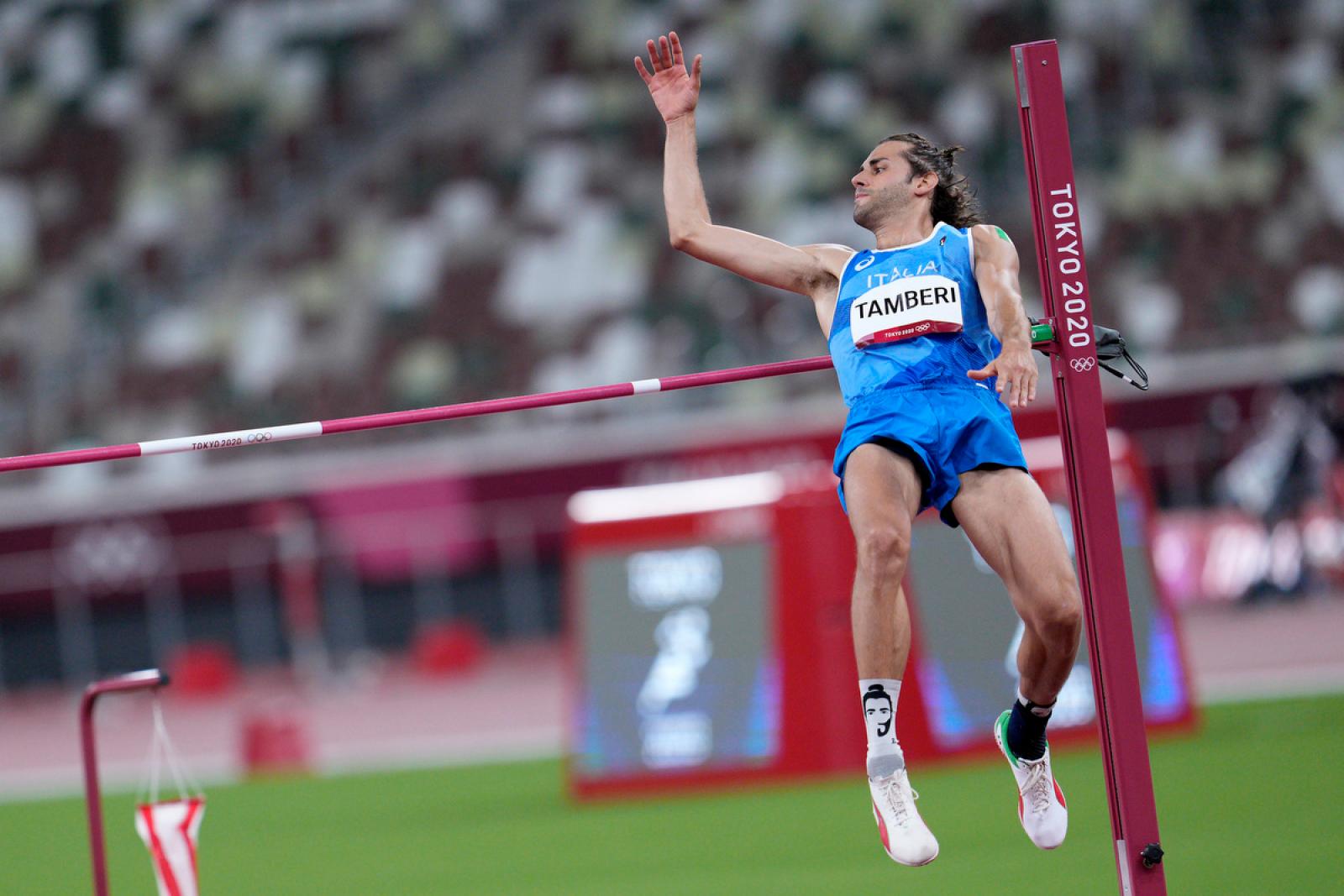
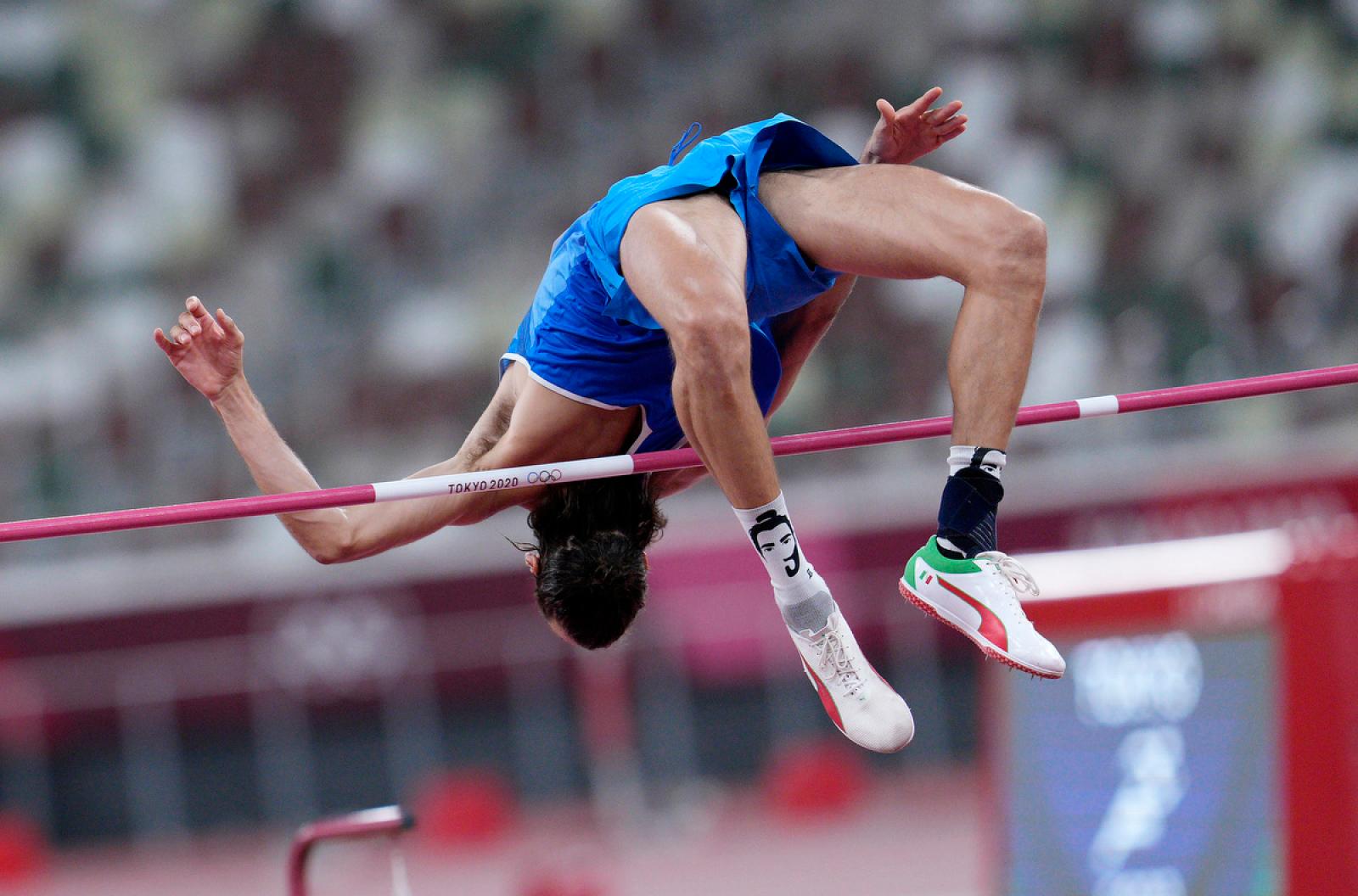
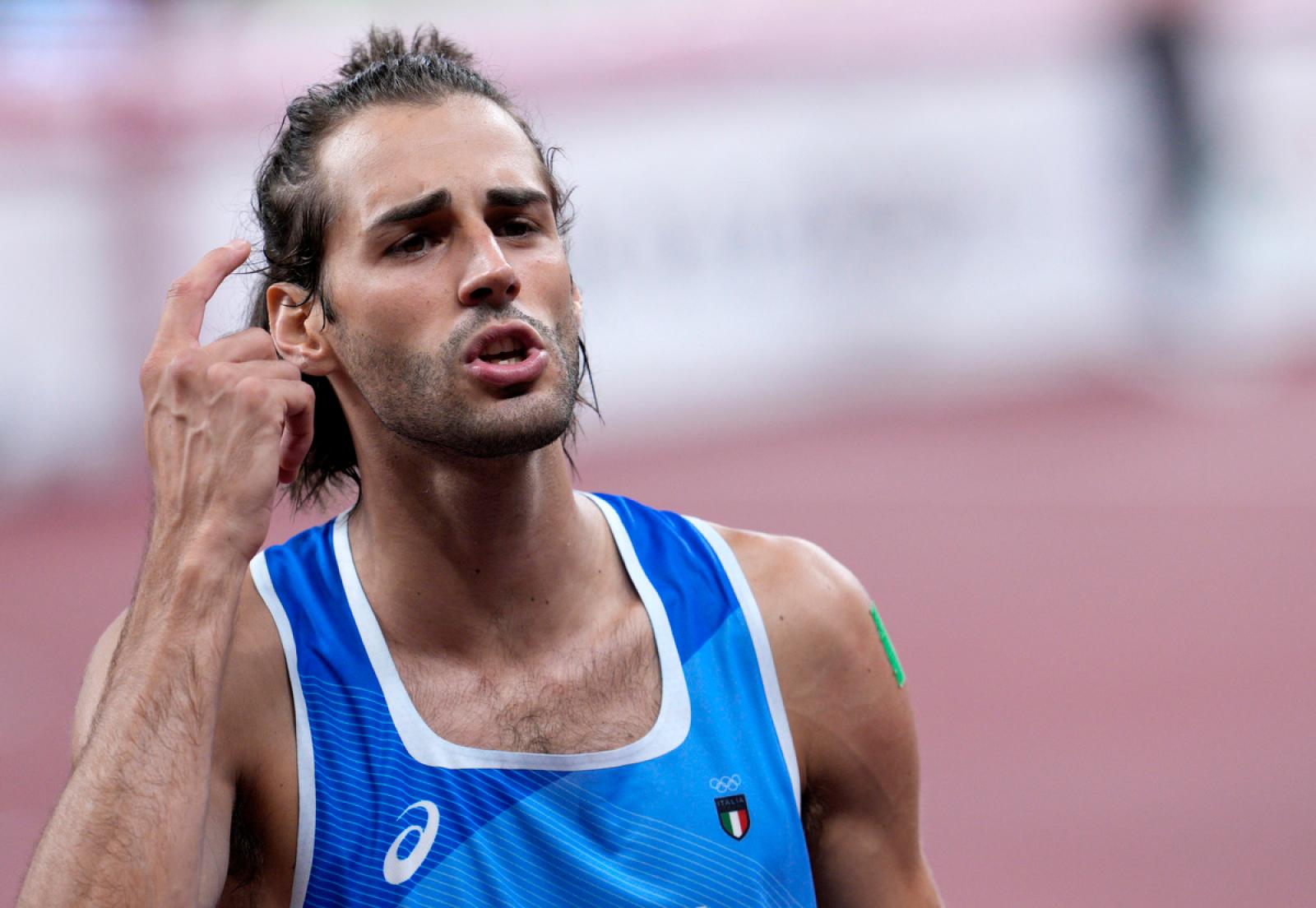
Super 'Gimbo' Tamberi flies into Olympus! Historic gold in the high jump
- ATHLETICS
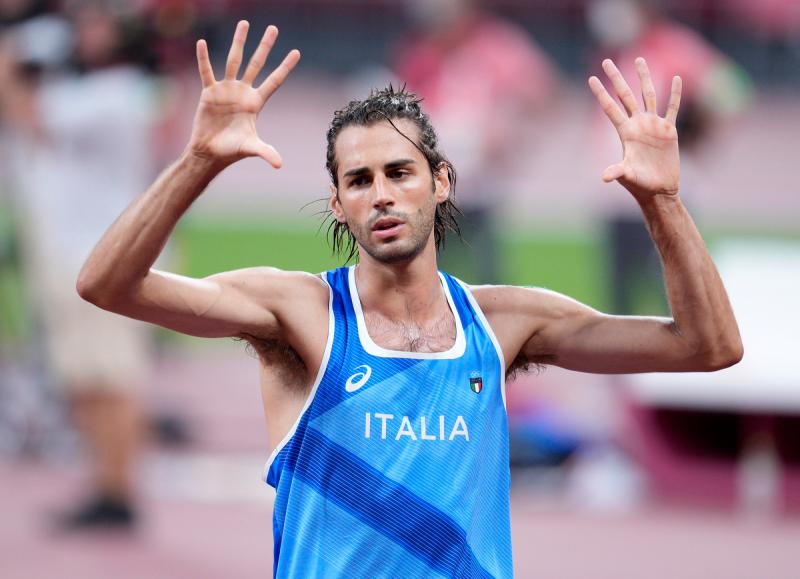
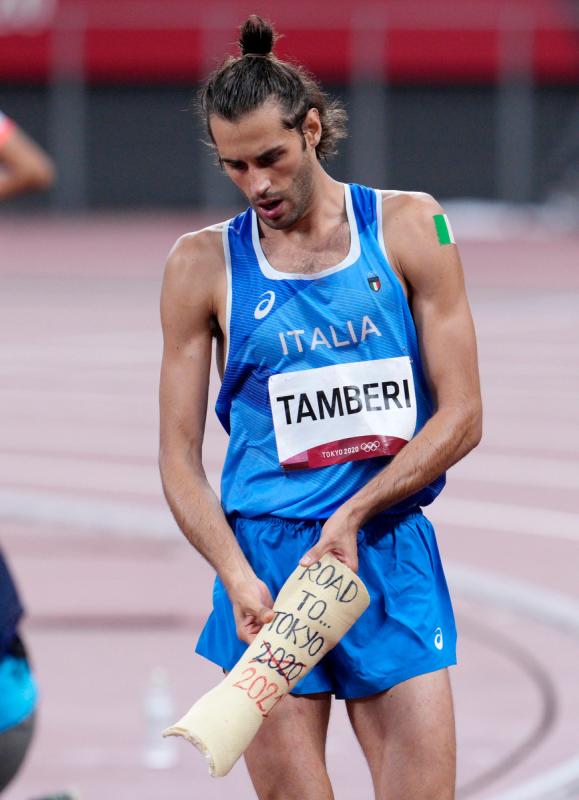
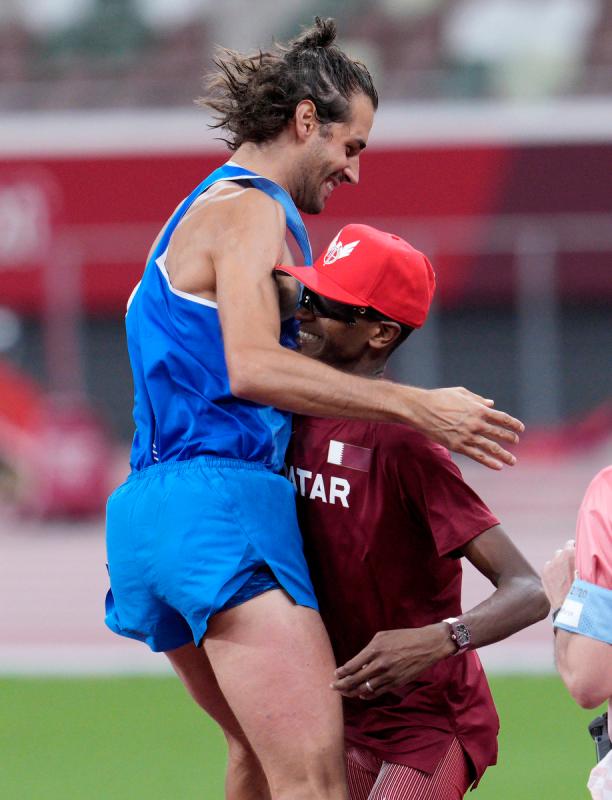
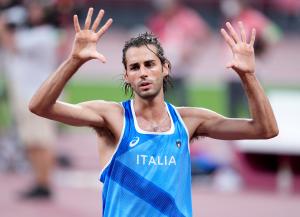
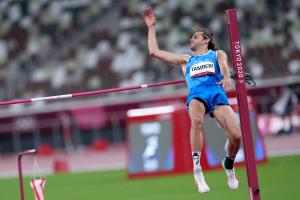
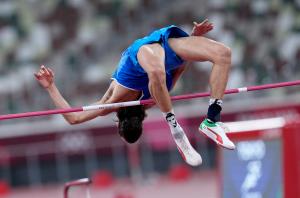
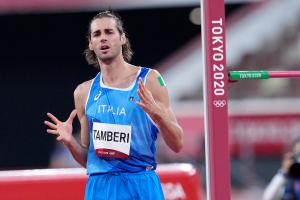
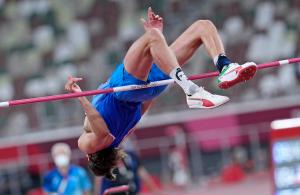
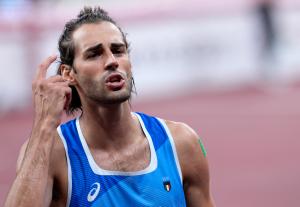
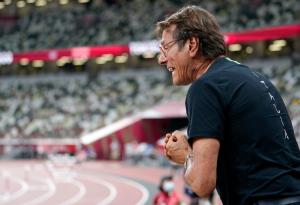
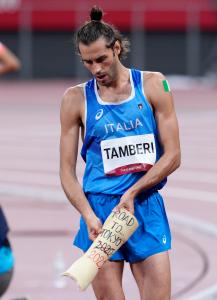
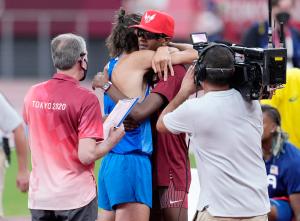
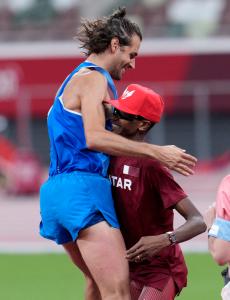
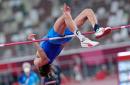
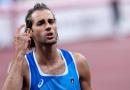
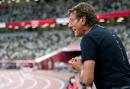
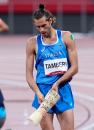
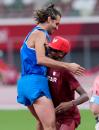
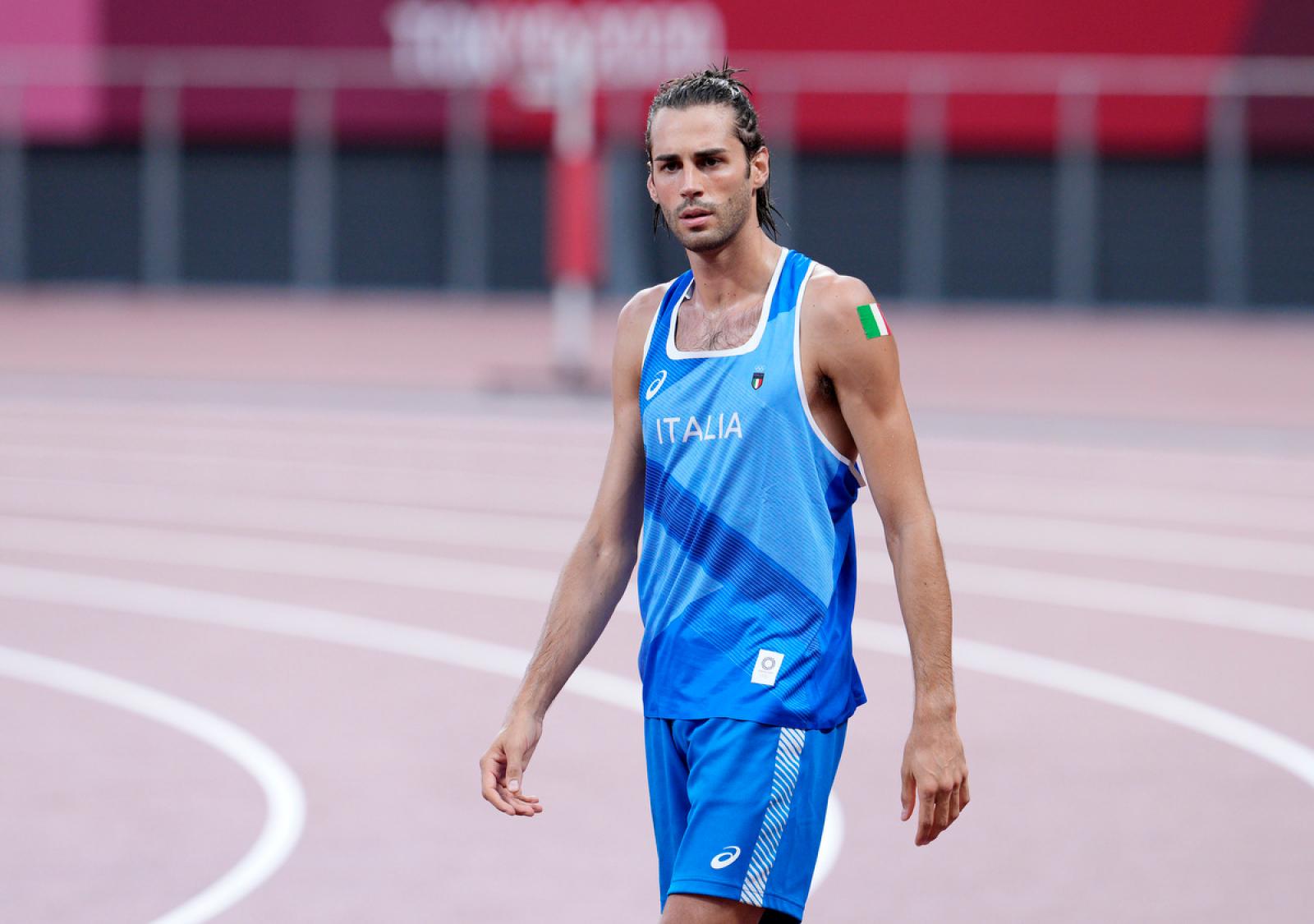
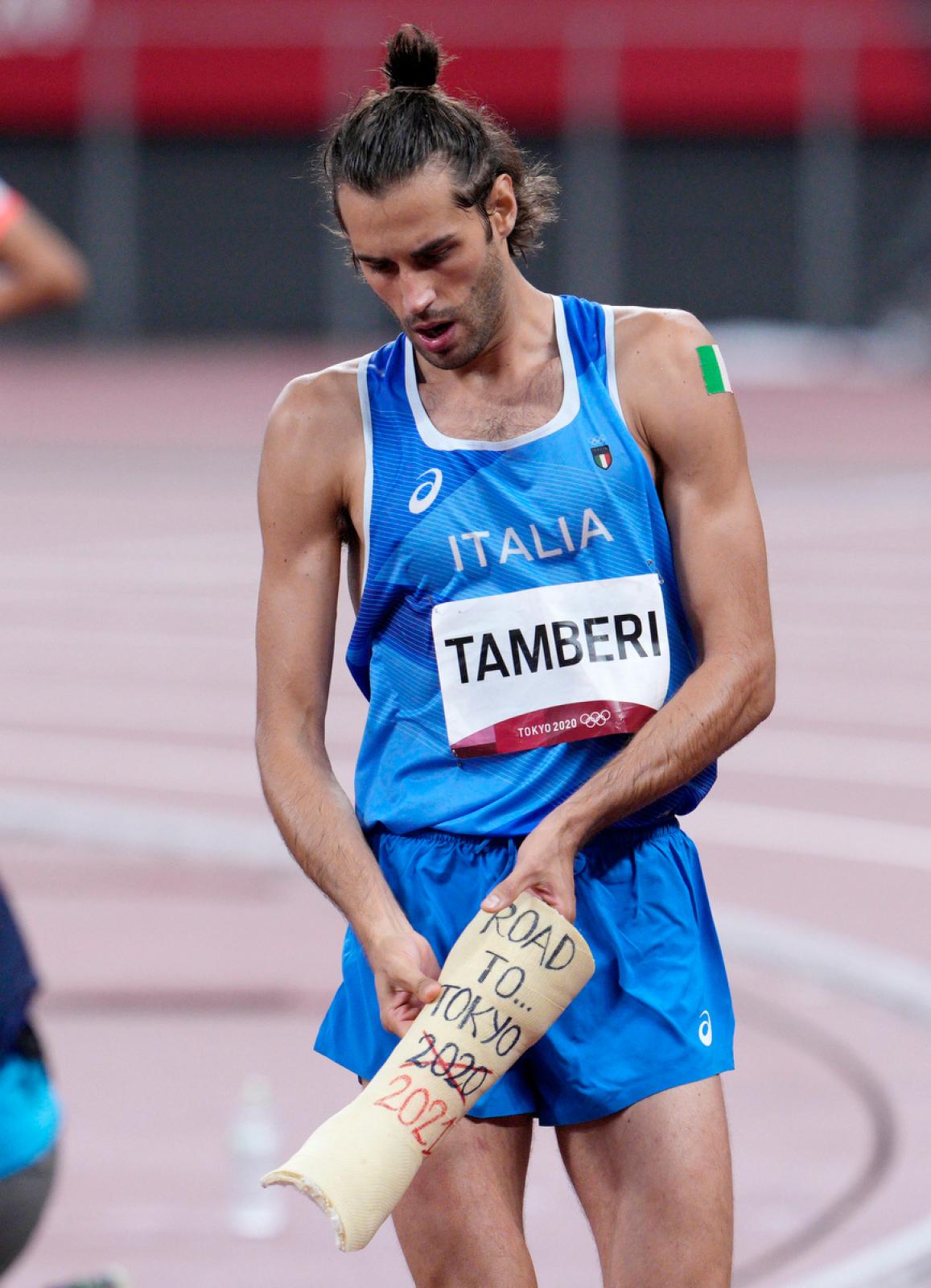
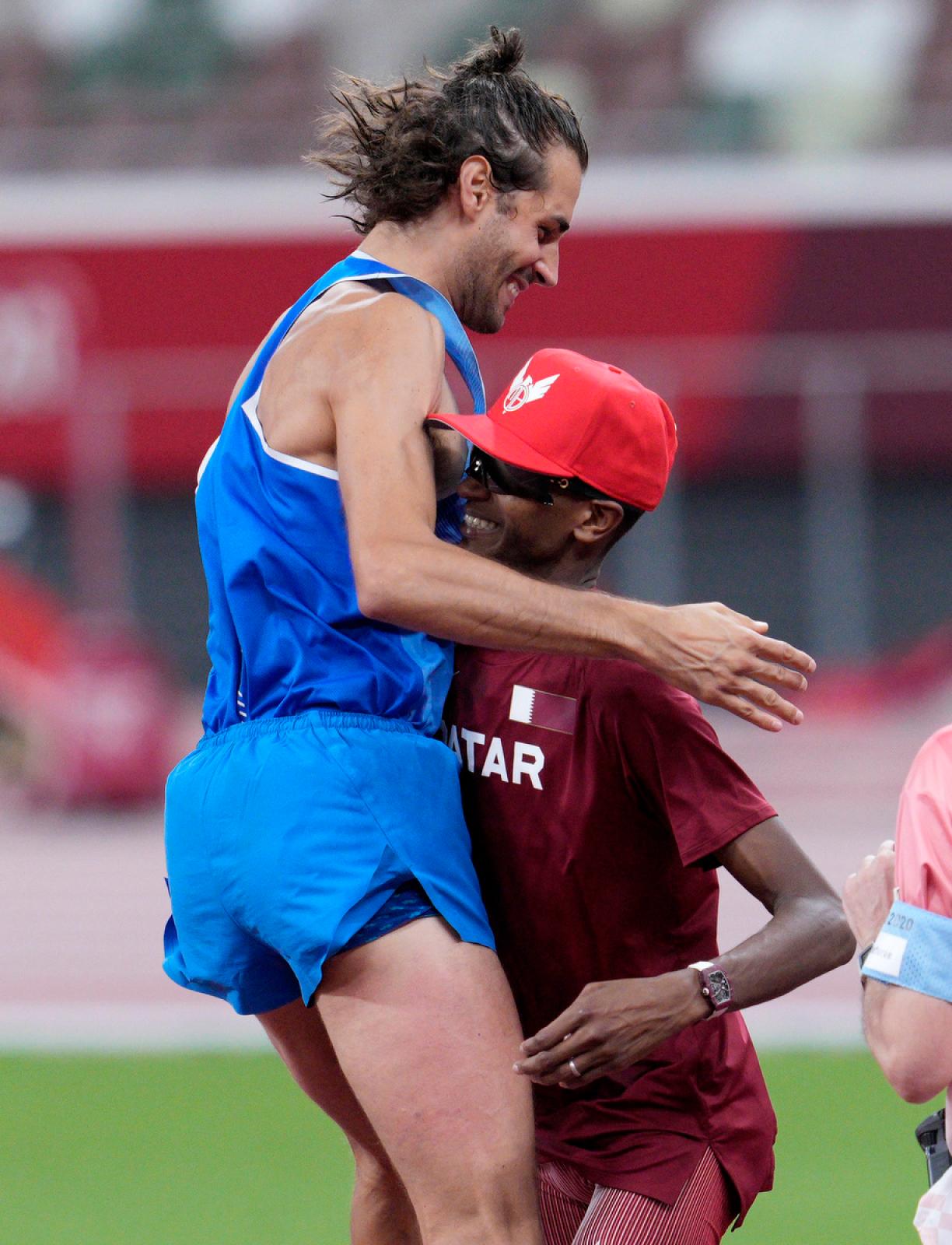
Gold!!! Gianmarco Tamberi writes a memorable page for Italian athletics at the Olympic Stadium in Tokyo. He is the first Italian Olympic medal in the men's high jump, and it is gold (the only one who had succeeded before was Sara Simeoni, Moscow 1980). Gimbo' achieved this feat in Tokyo 2020. The Italian strongly wanted these Olympic Games after the injury that denied him Rio 2016. The Italian was ex equo with the Qatari Essa Mutaz Barshim at 2.37. Also on the podium was Belarusian Maksim Nedasekau at 2.37, but with more errors. Gimbo is on the roof of the world.
Tamberi jumps in history






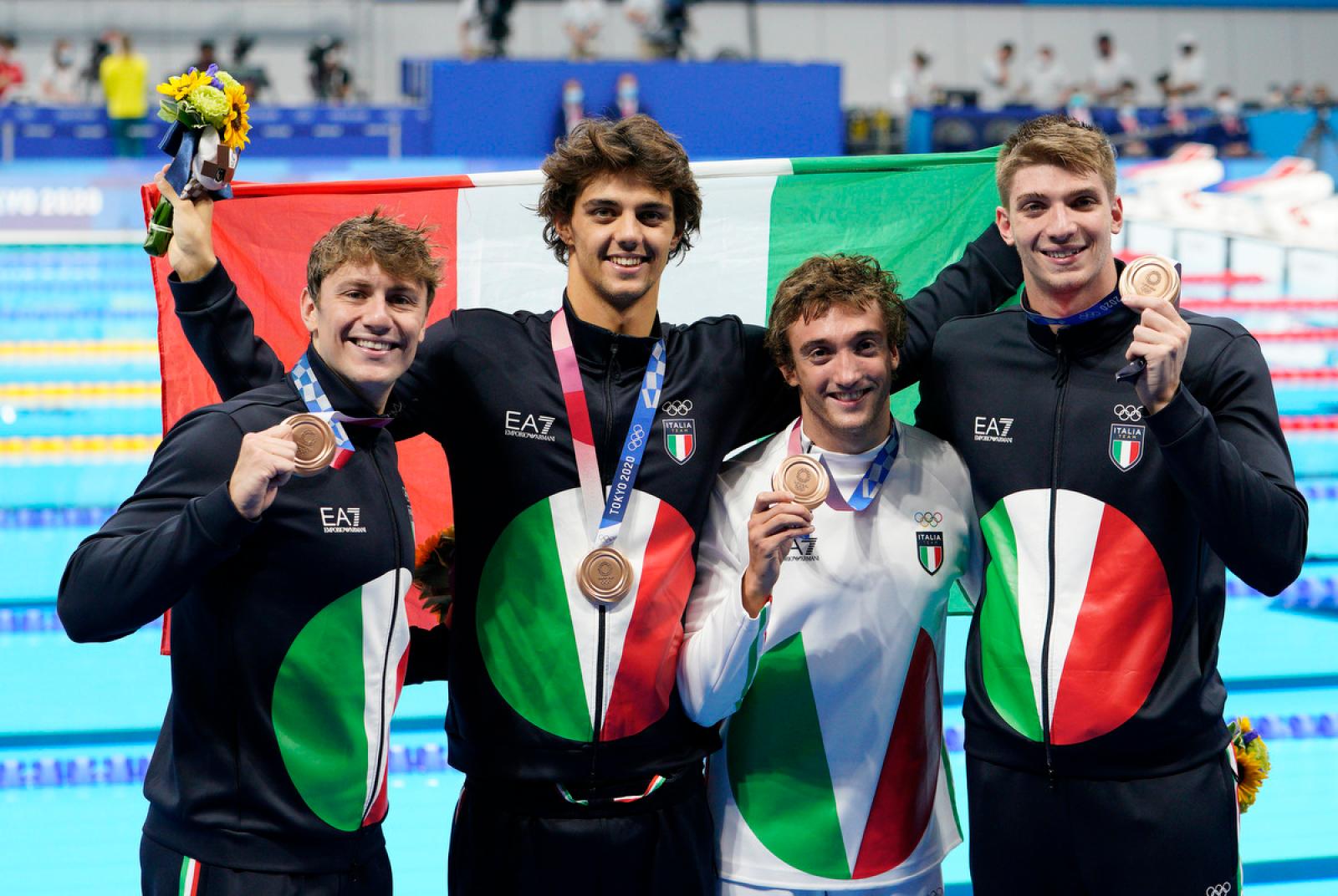
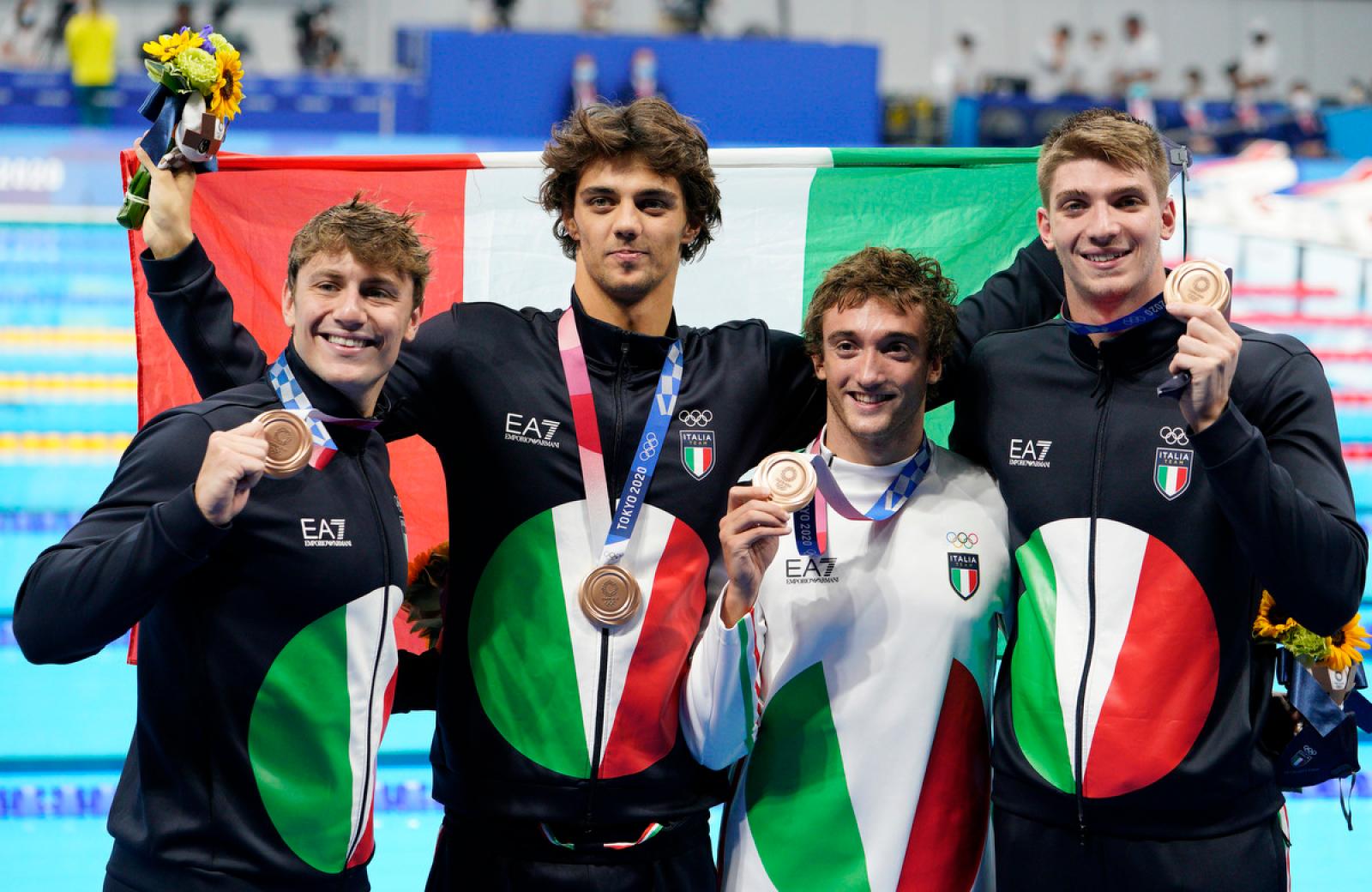
Bronze quartet! The 4x100 mixed relay is 3rd, 25th podium for Italy team
- SWIMMING
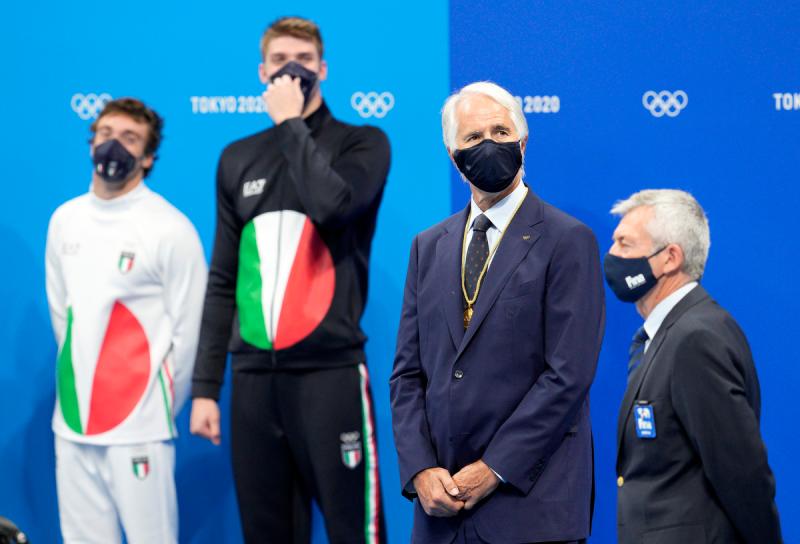
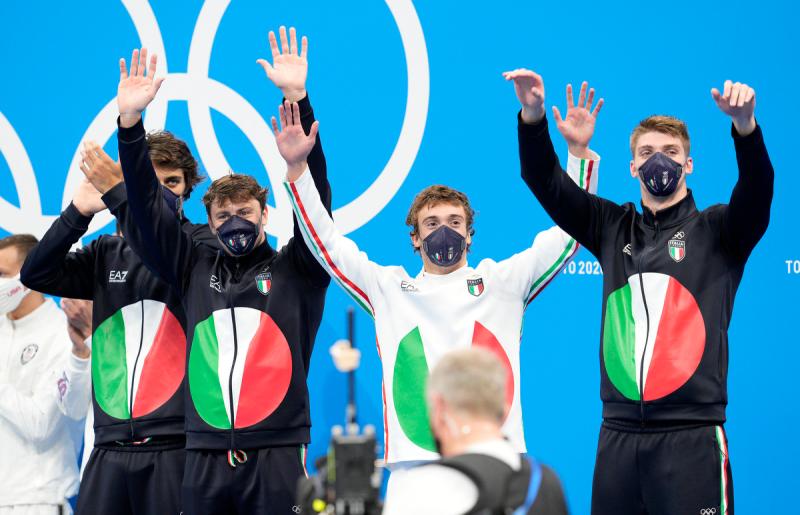
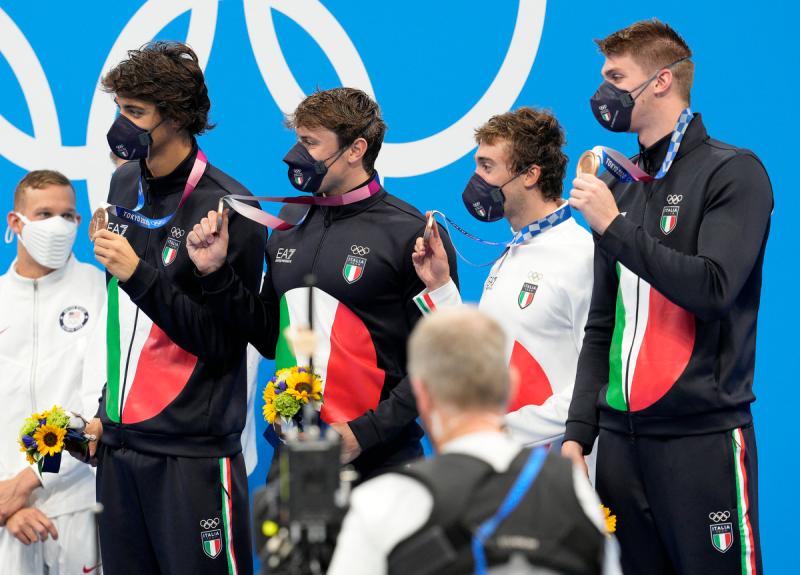
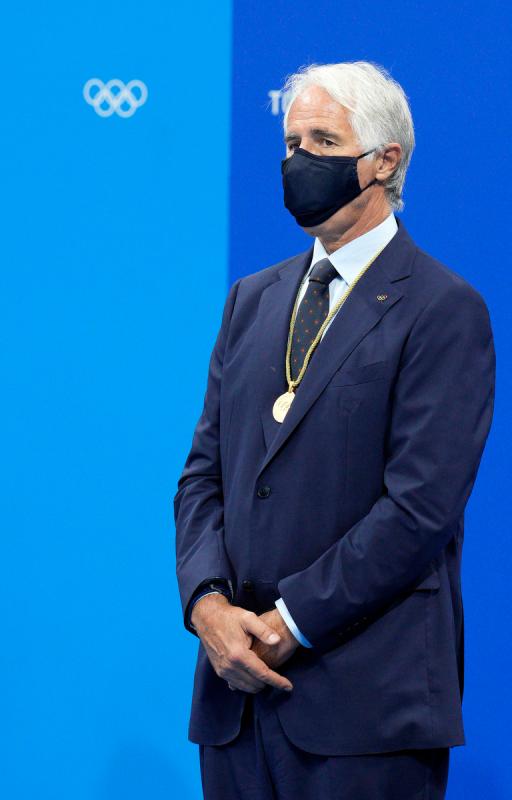
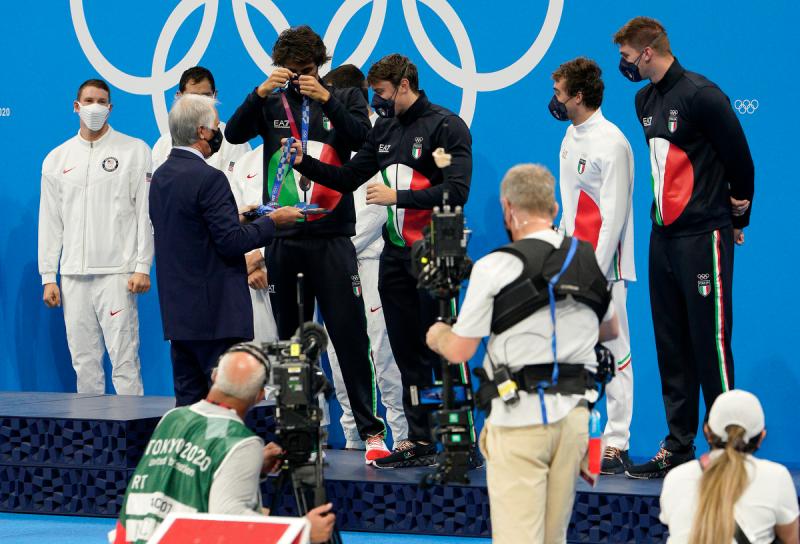
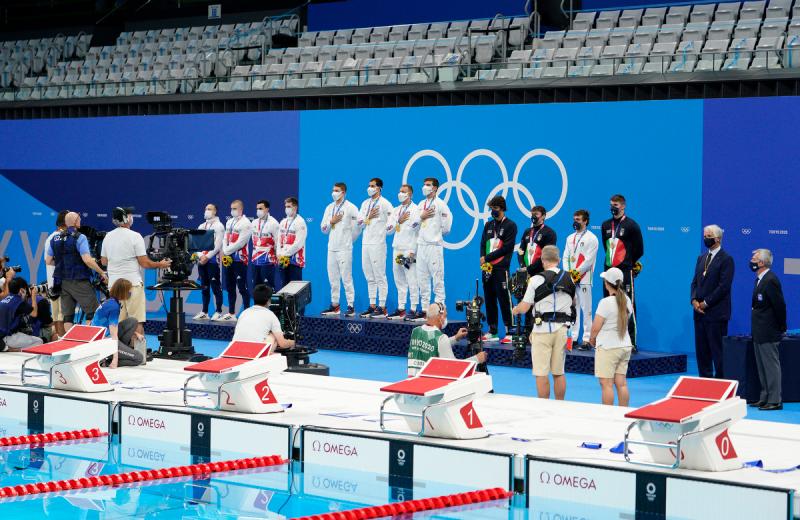
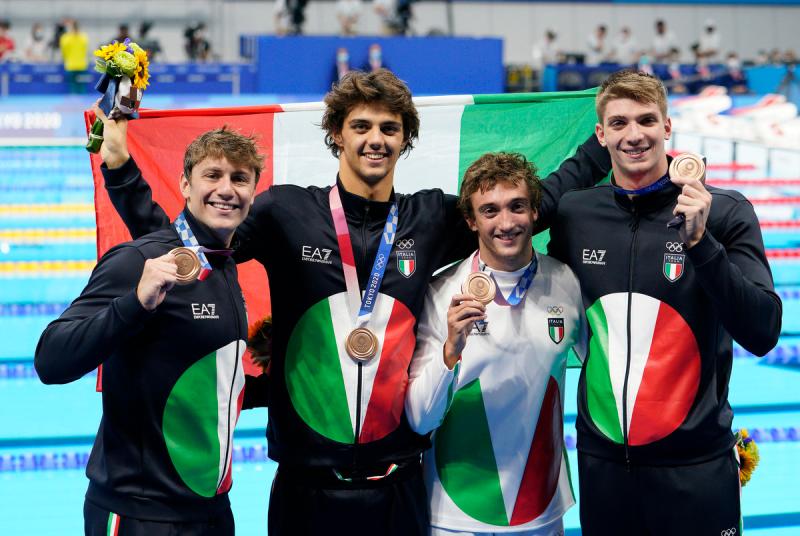
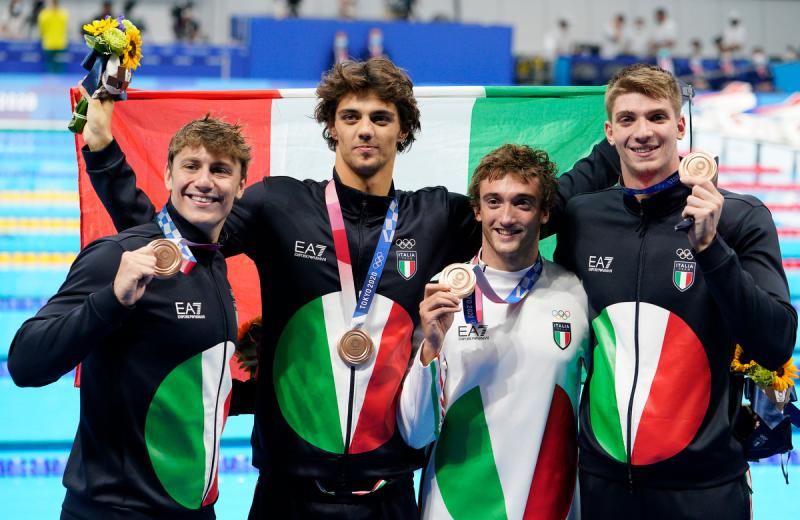
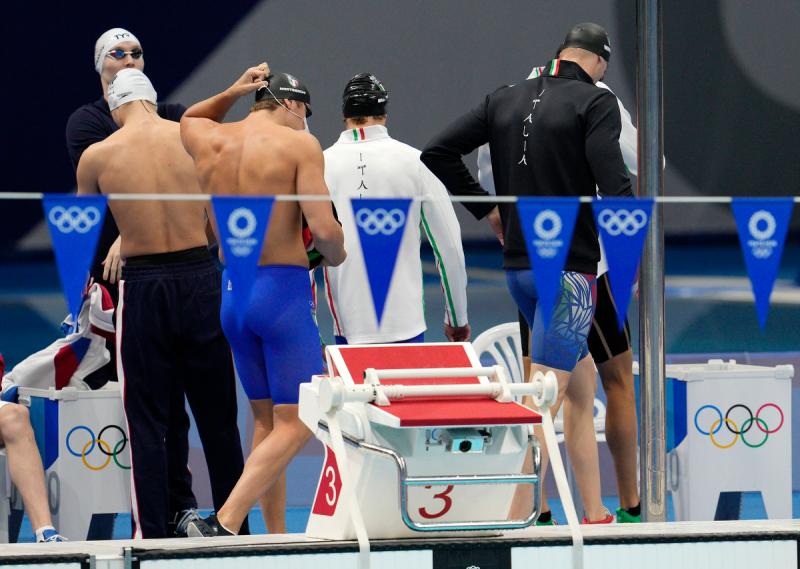
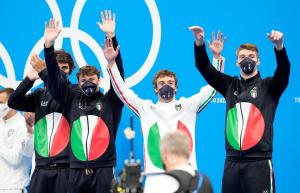
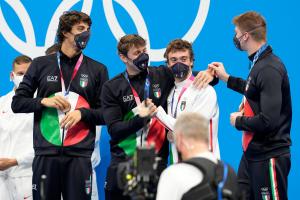
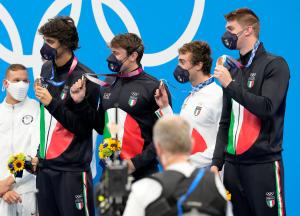
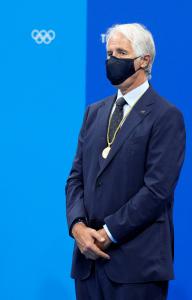
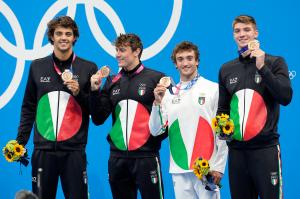
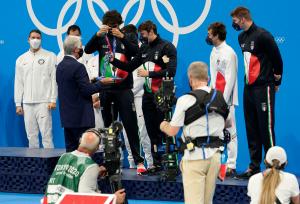
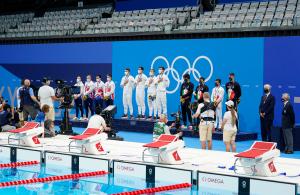
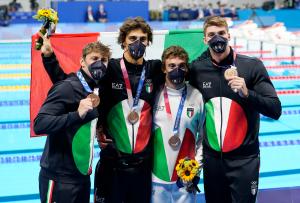
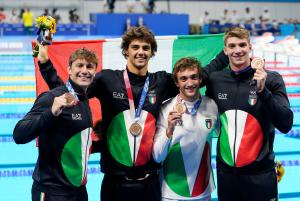
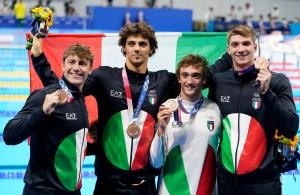
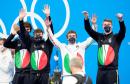
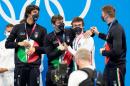
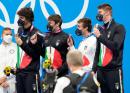
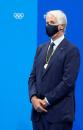
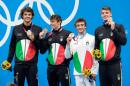
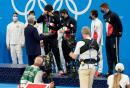
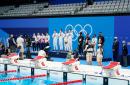
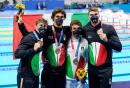
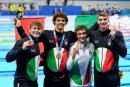
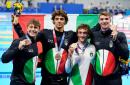
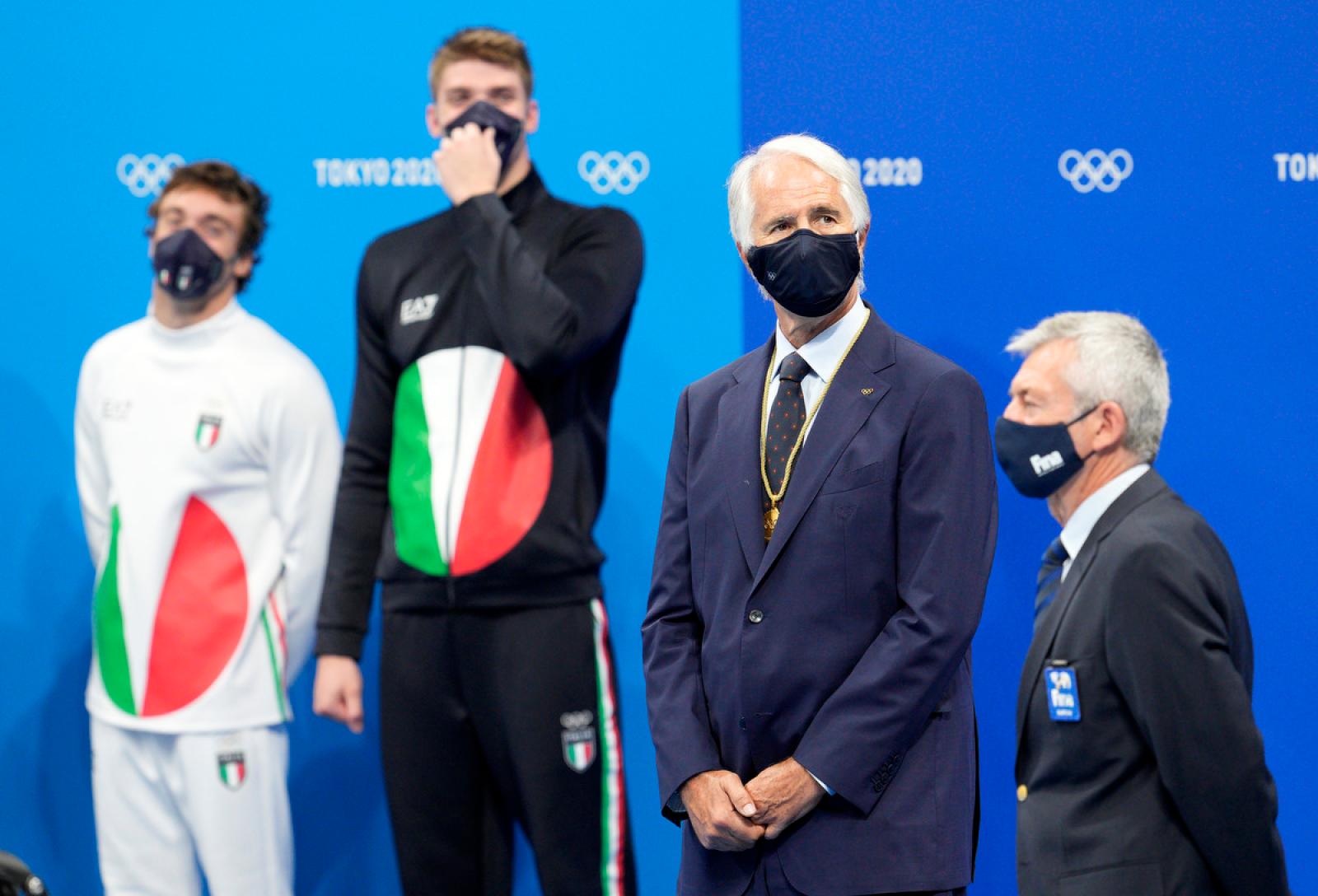
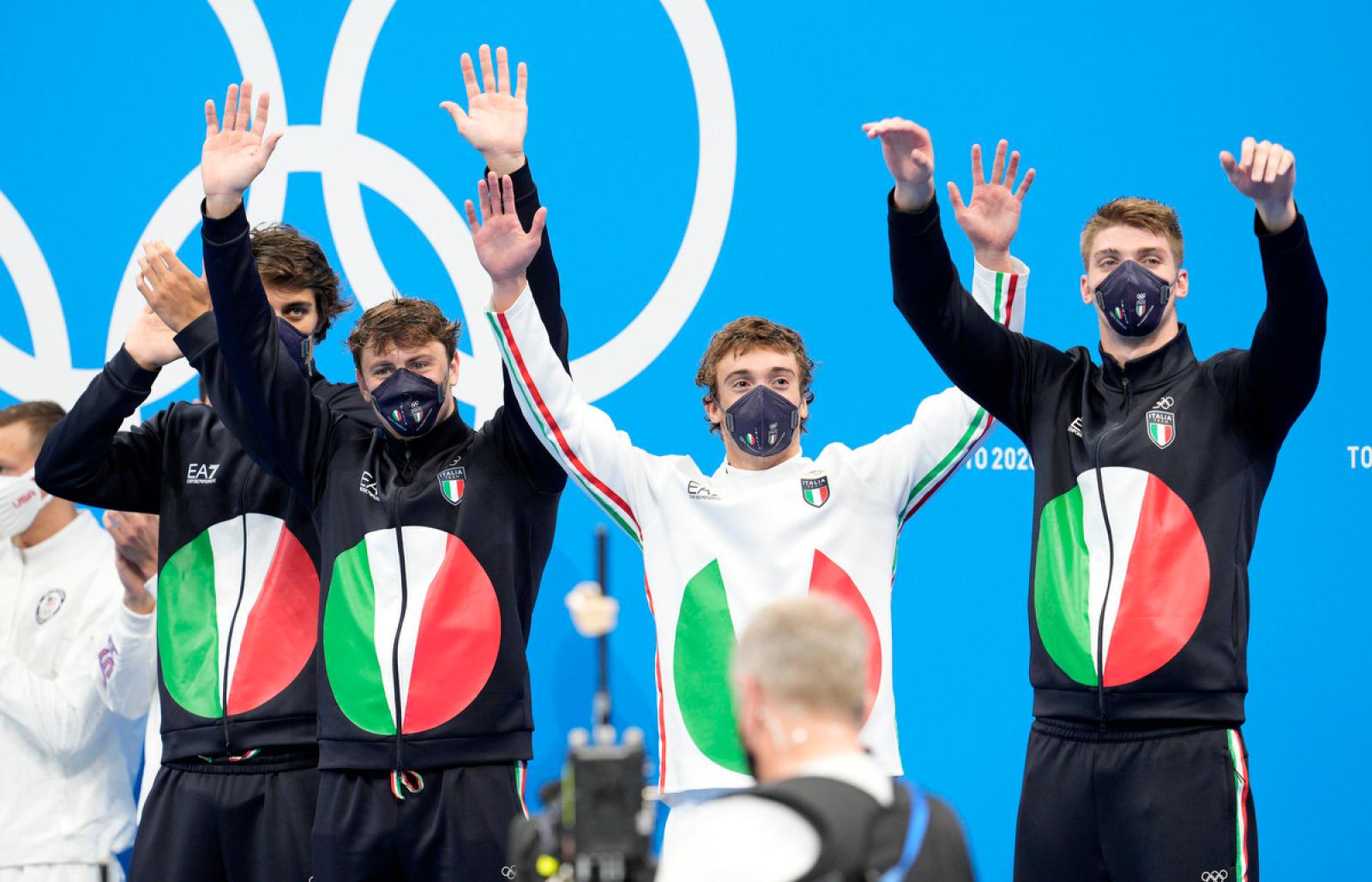
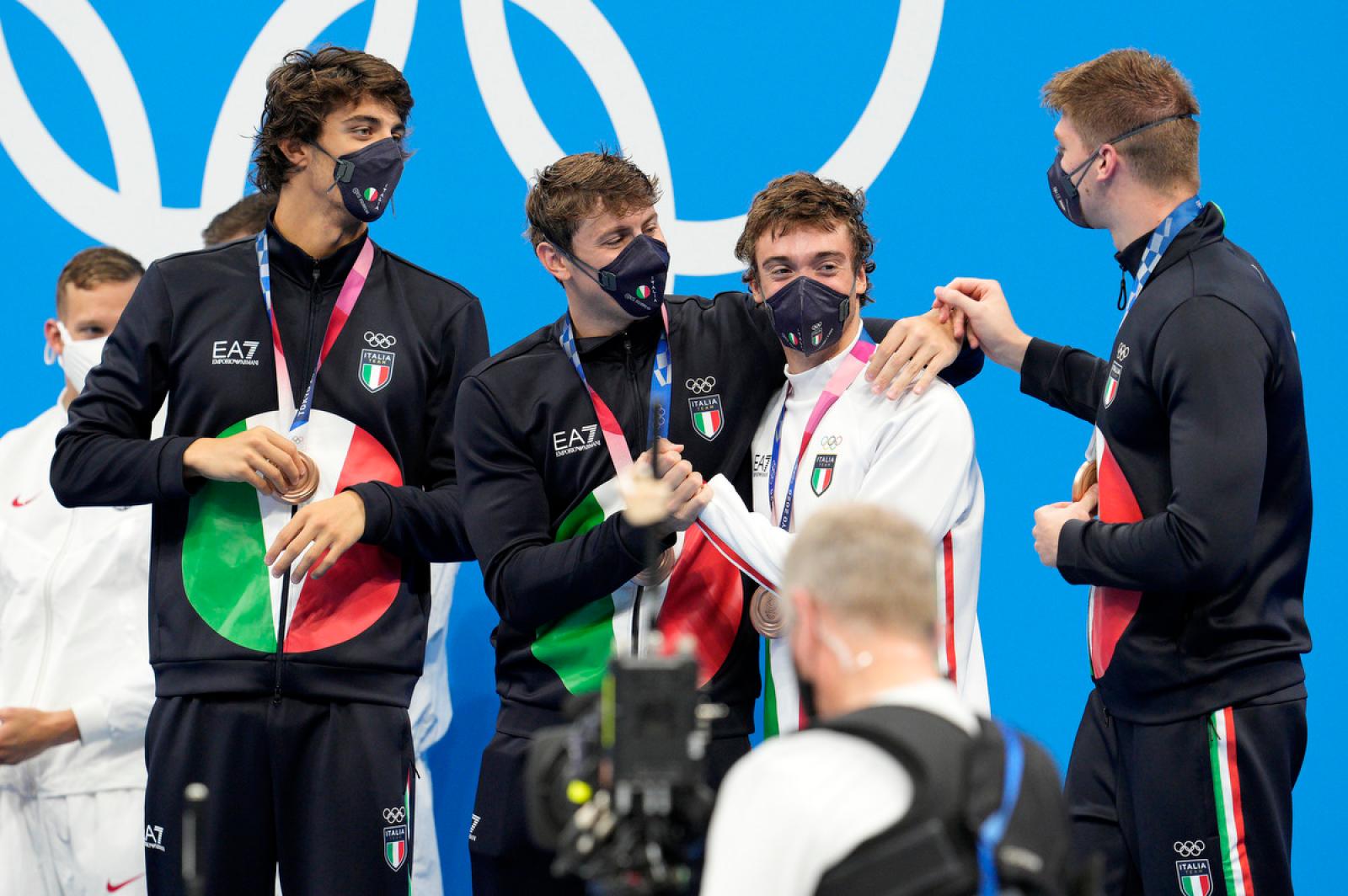
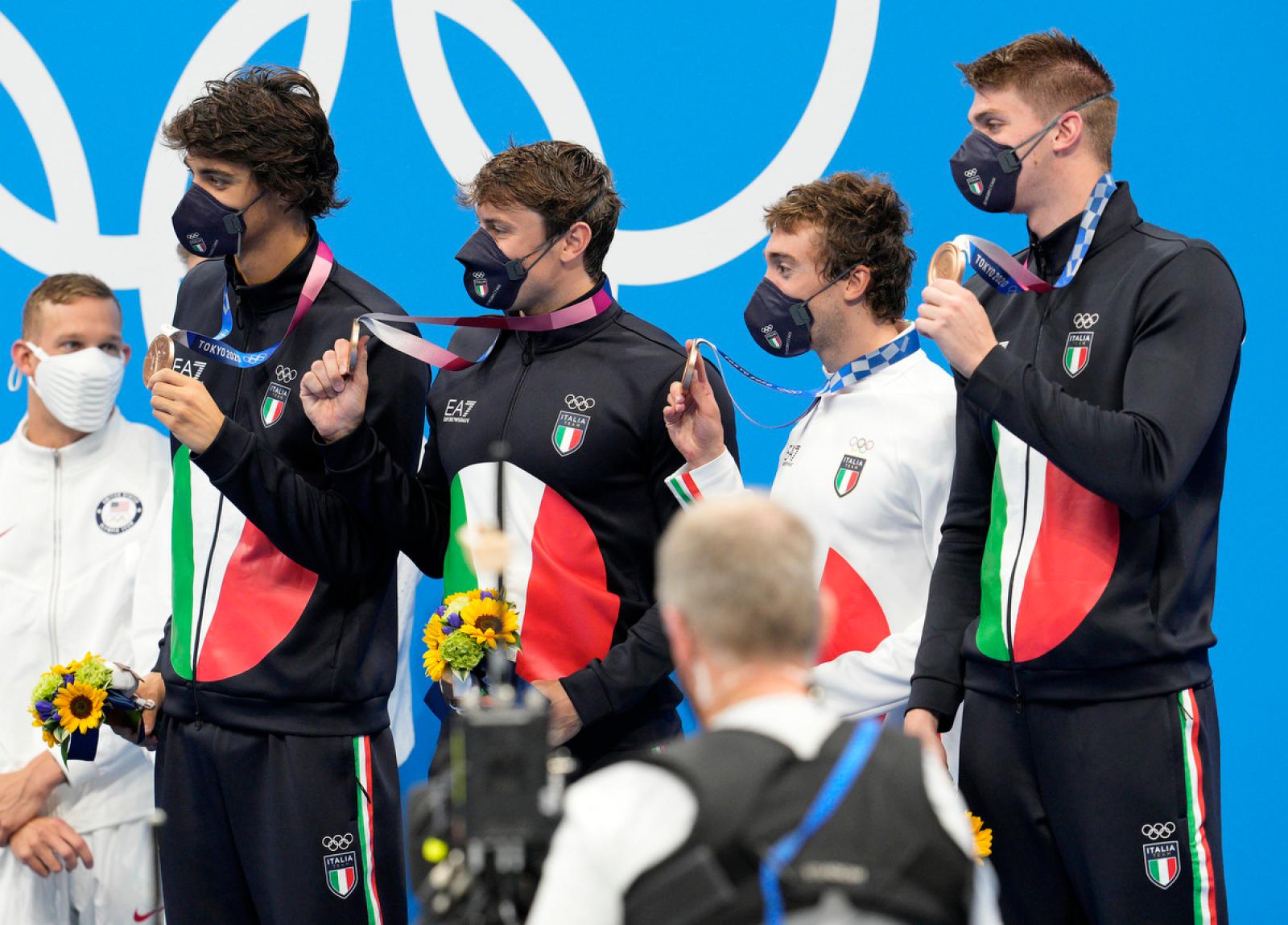
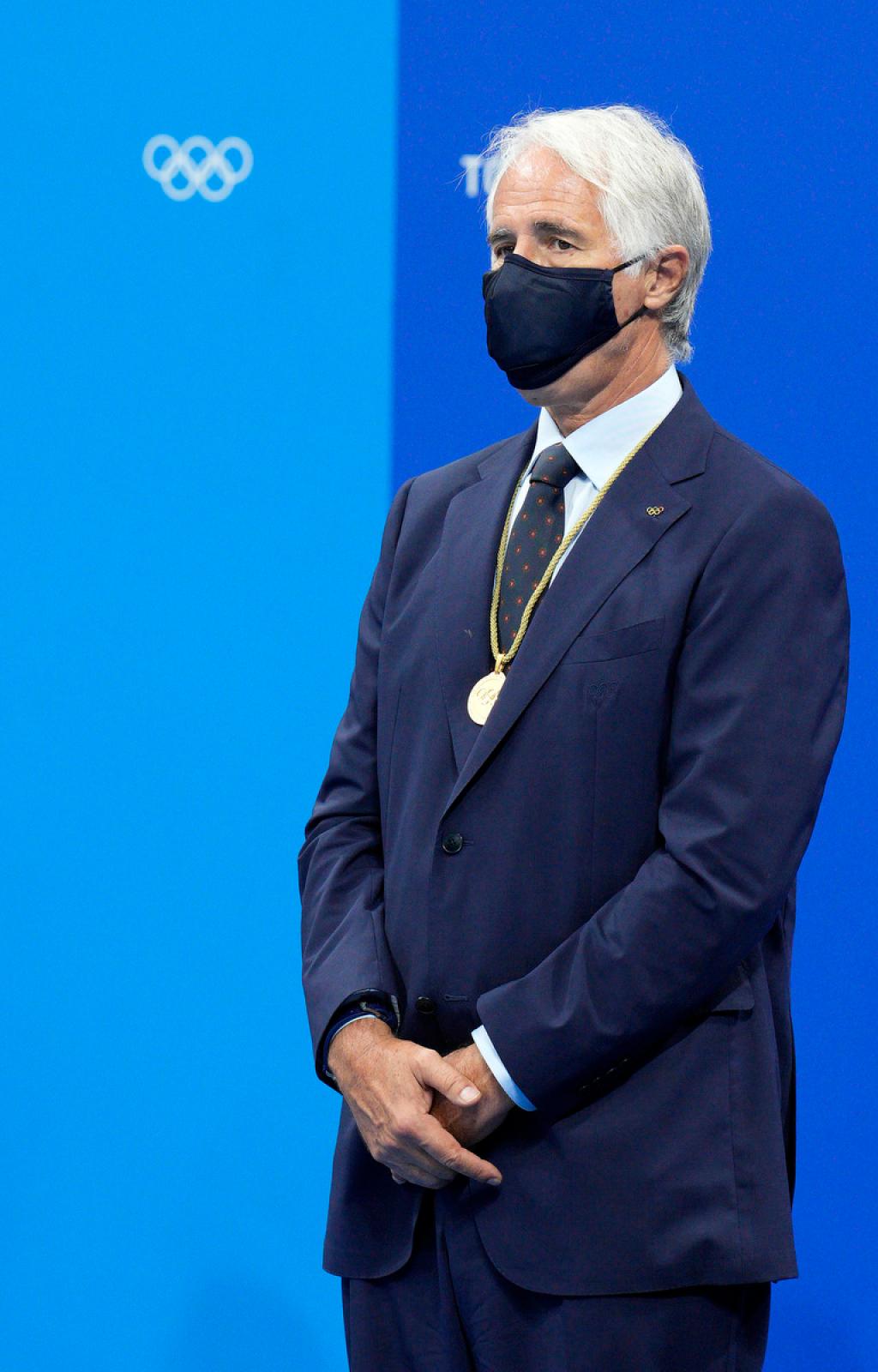
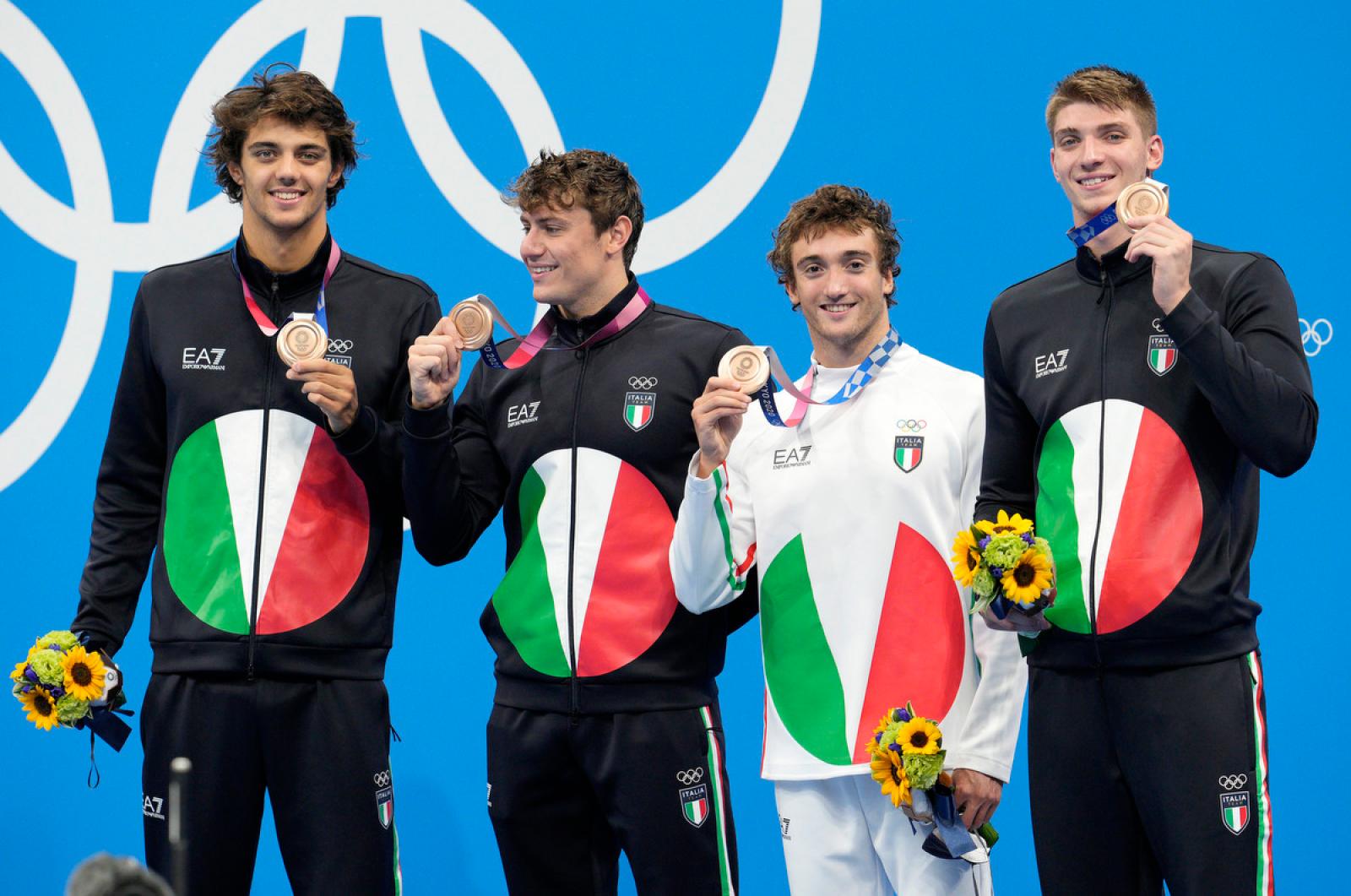
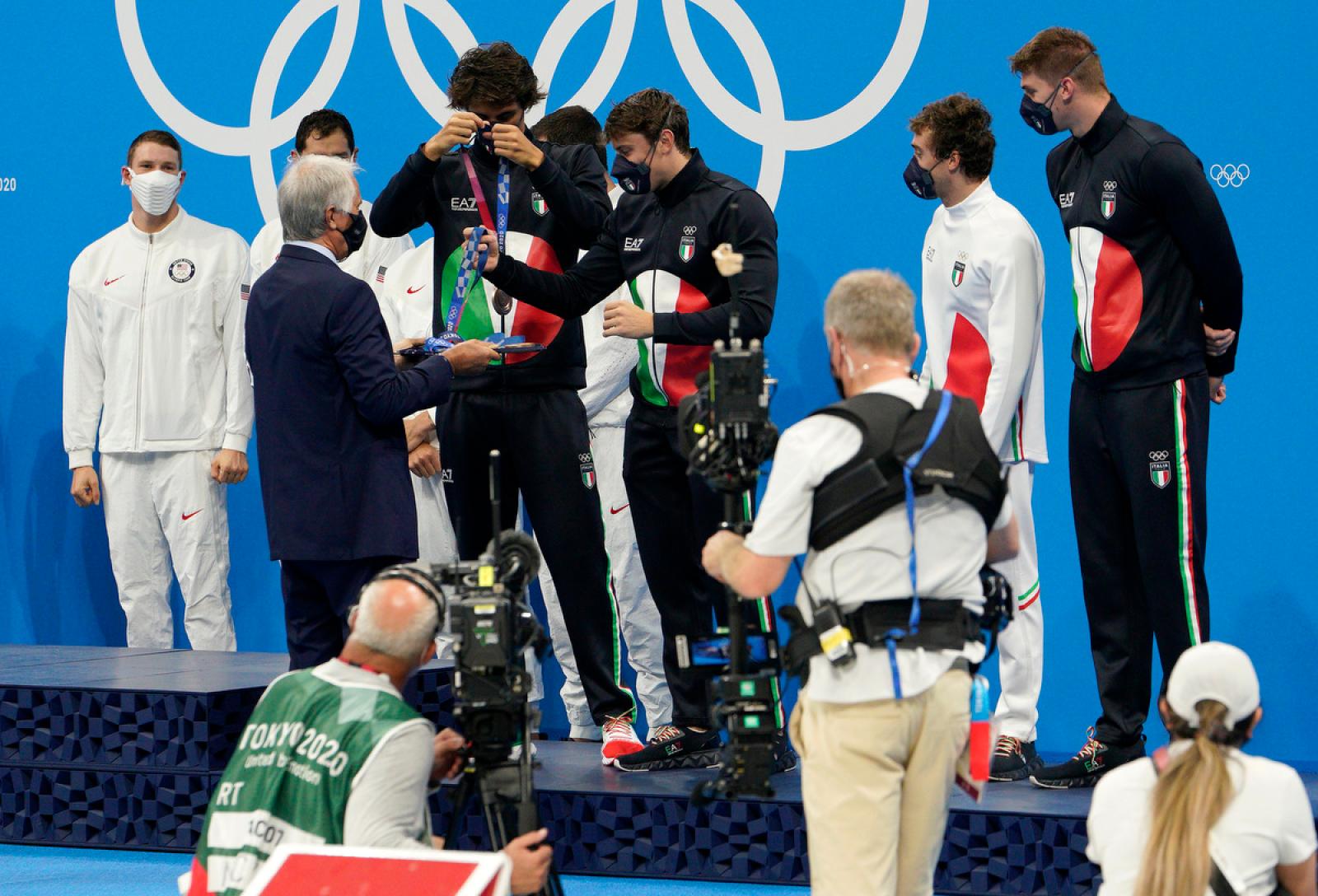
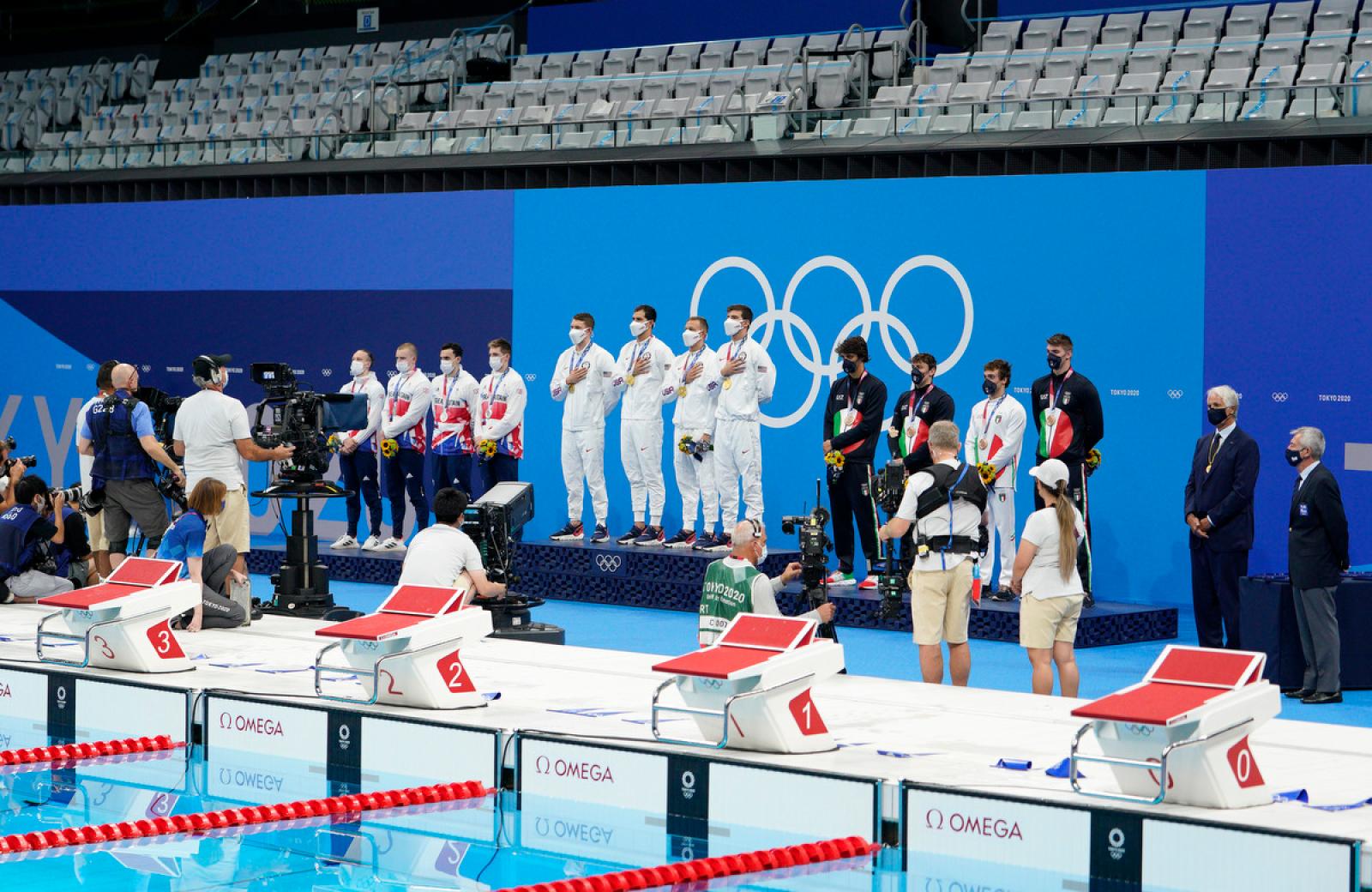
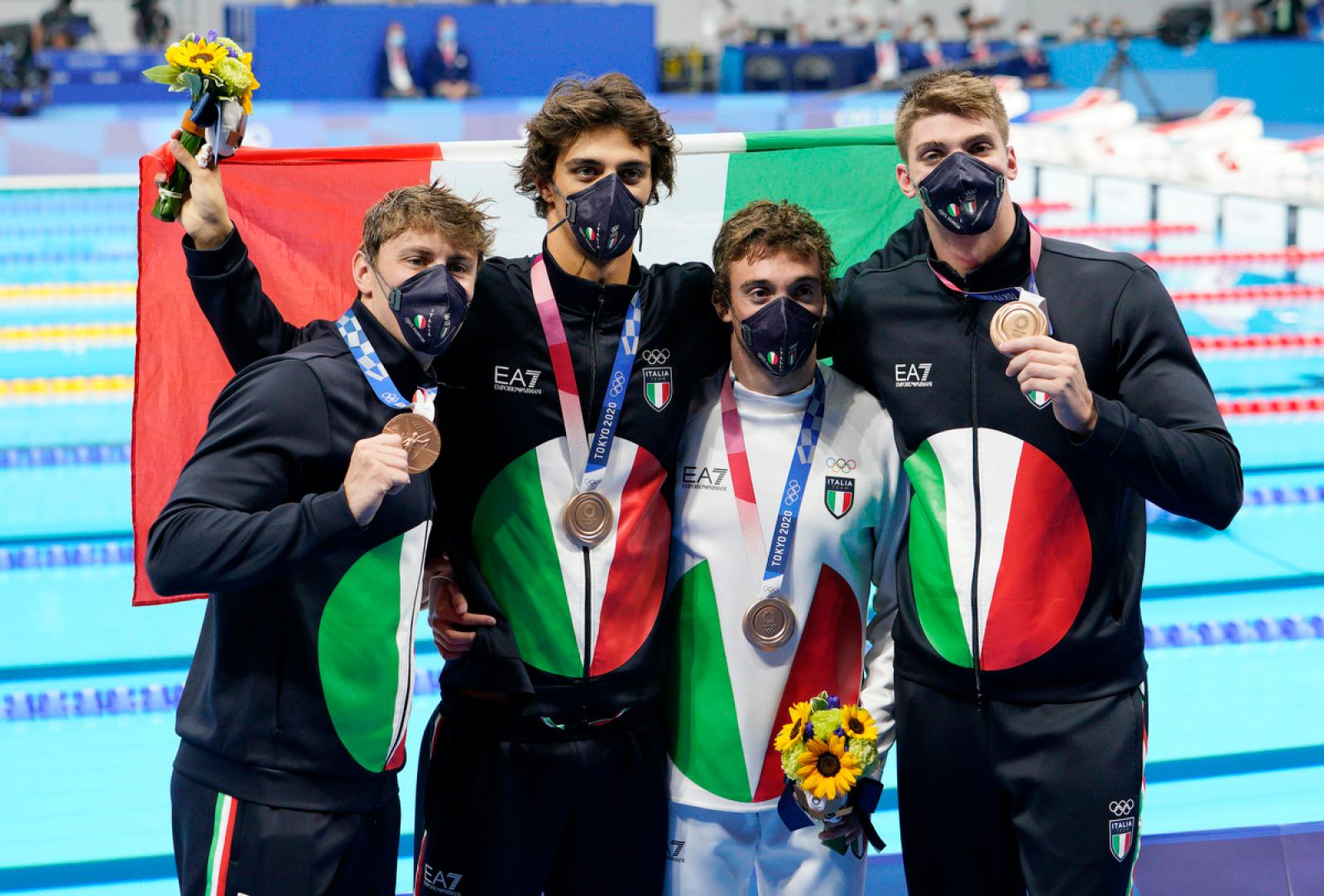
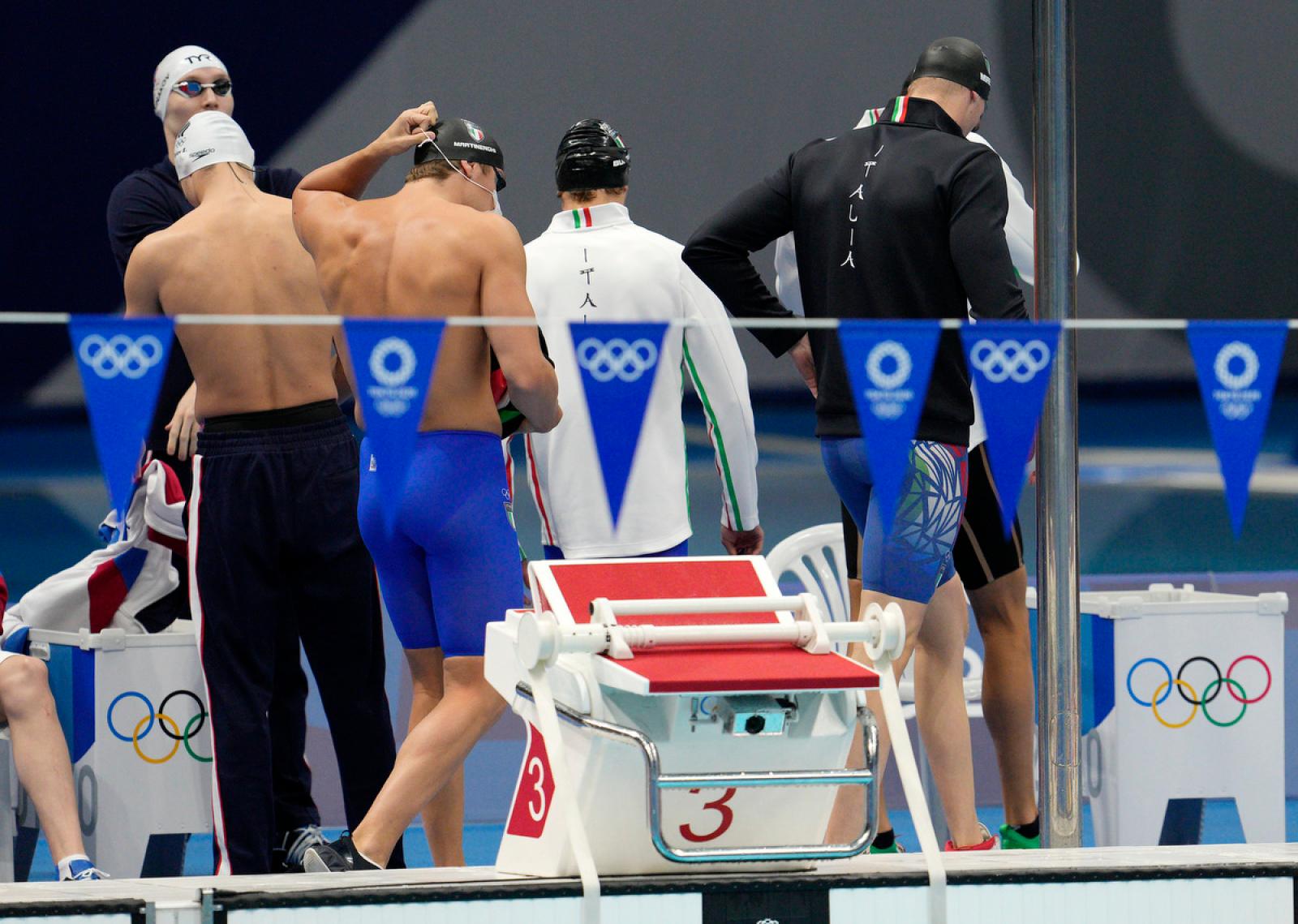
The men's 4x100 mixed relay is a bronze medallist at Tokyo 2020. In the last race of the Italian Team at the Aquatics Centre in this edition of the Games, Thomas Ceccon, Nicolò Martinenghi, Federico Burdisso and Alessandro Miressi finished in the third position (3:29.17) behind the United States, authors of the new world record in 3:26.78, and Great Britain, who set the new European record in 3:27.51 (photo Pagliaricci GMT Sport). The Italian swimmers were awarded by the CONI President and IOC member Giovanni Malagò.
Italian swimming in the pool says goodbye to Tokyo with 6 medals (2 silver and 4 bronze). For the Italian Team, this is the 25th medal in this edition of the Games.
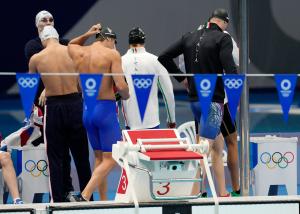
Italia Team earns Bronze Medal in 4x100 Medley Relay



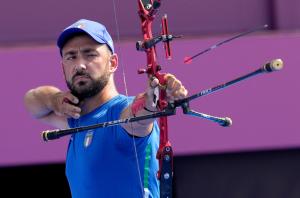
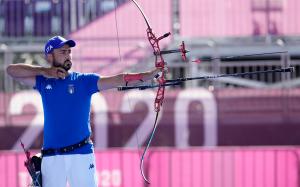
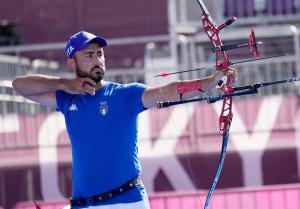
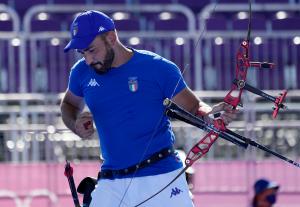
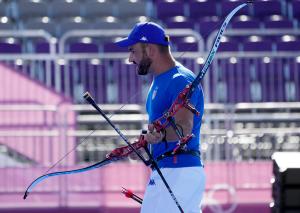
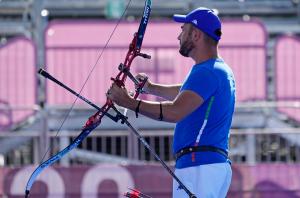
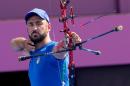
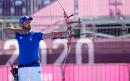
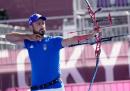
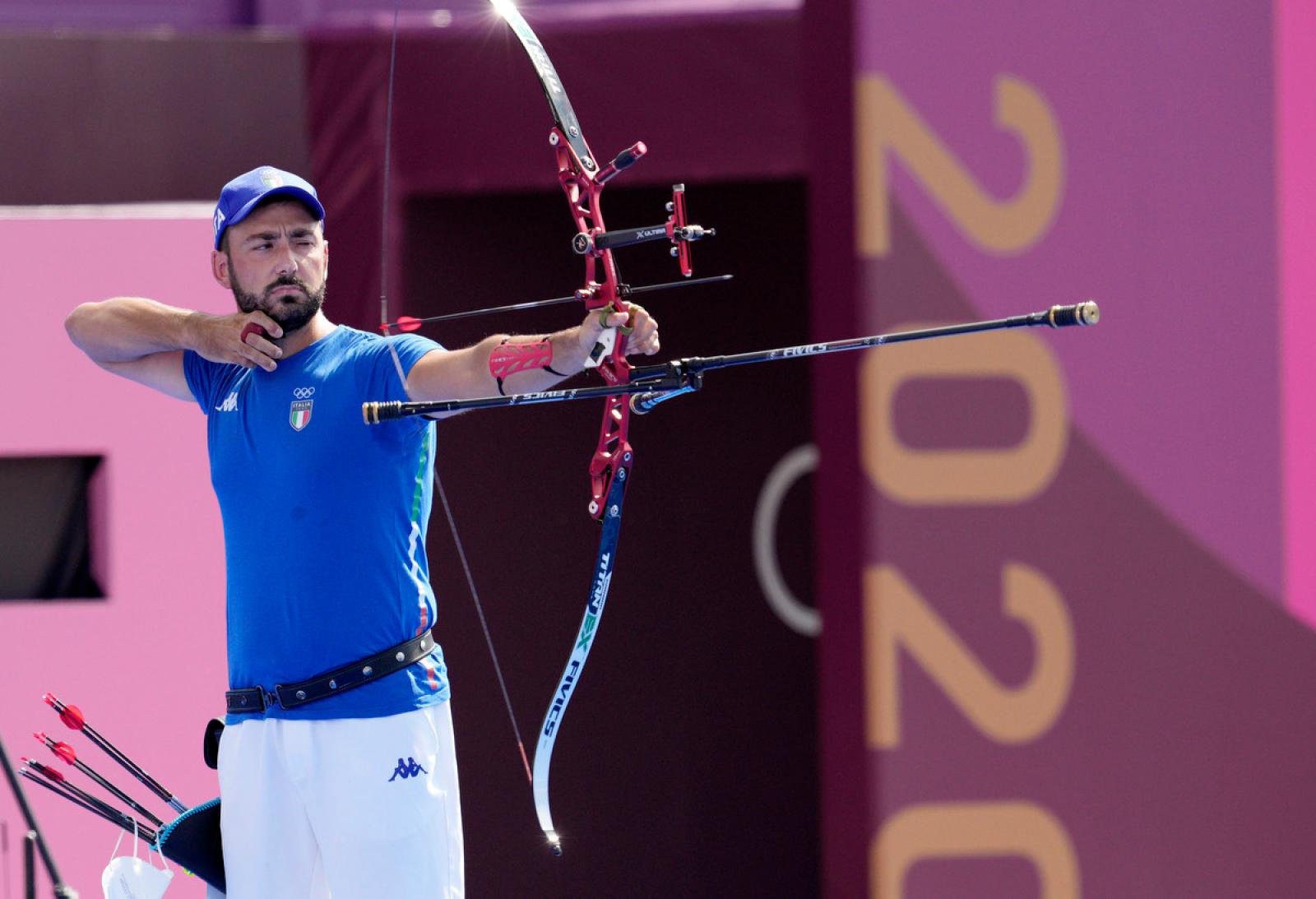
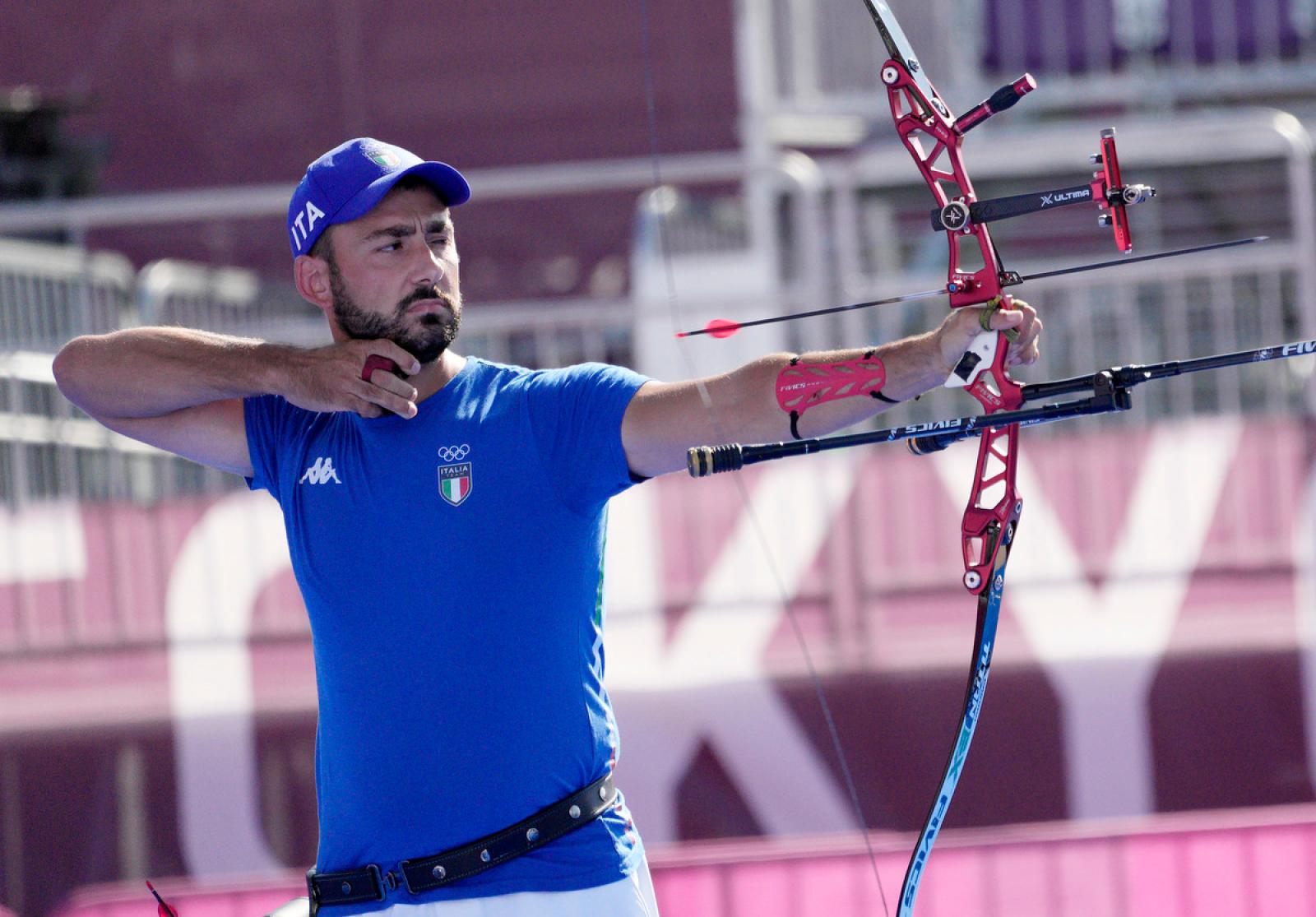
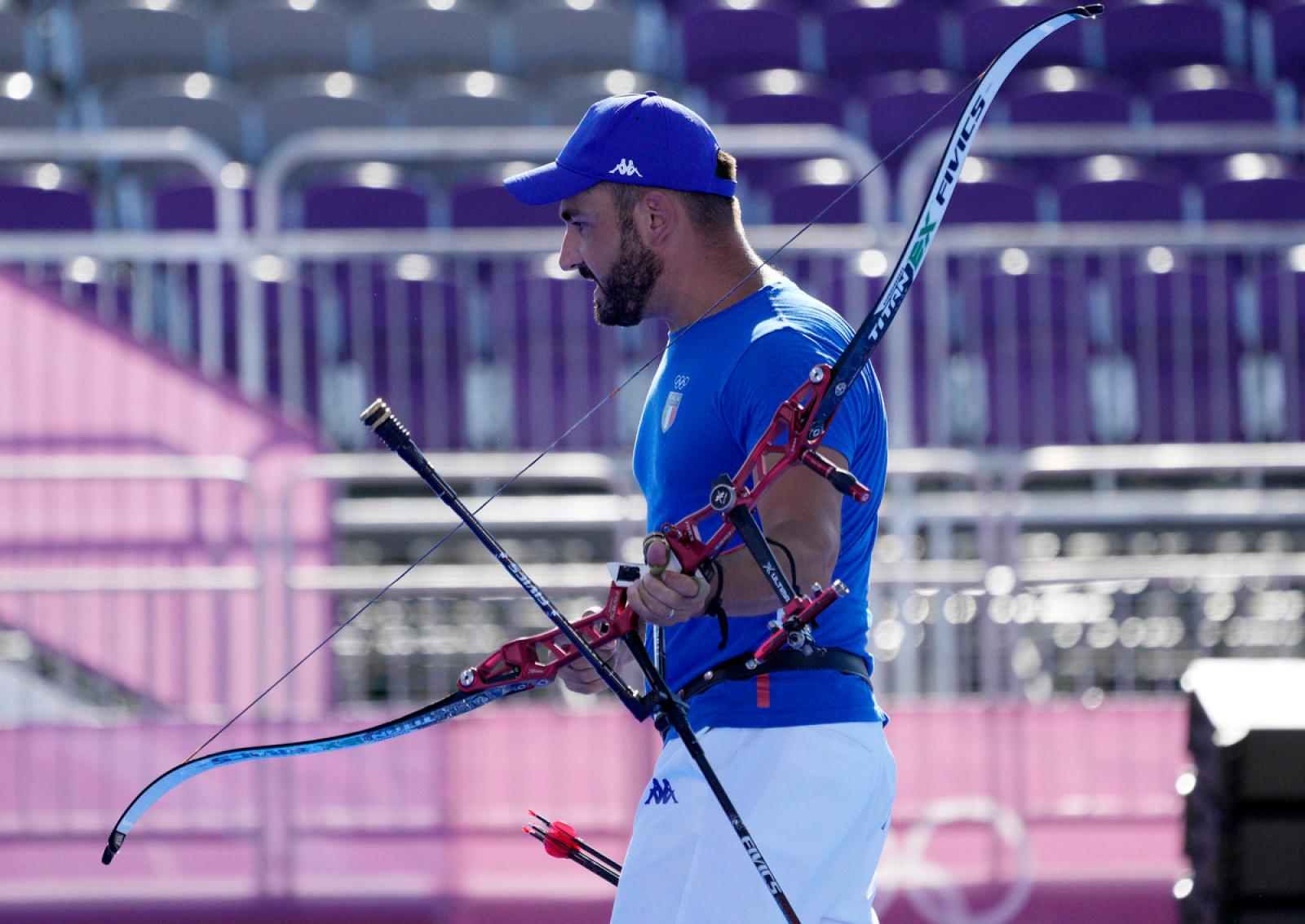
Mauro Nespoli's silver shines a medal worth
- ARCHERY
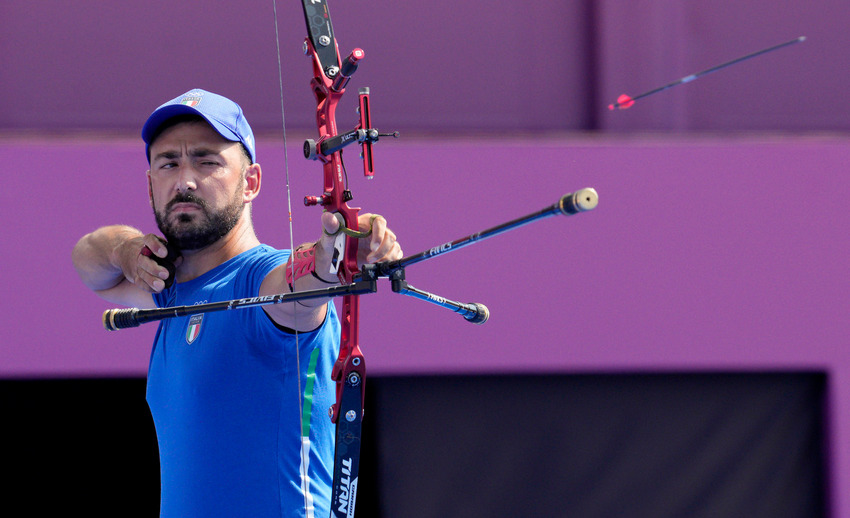
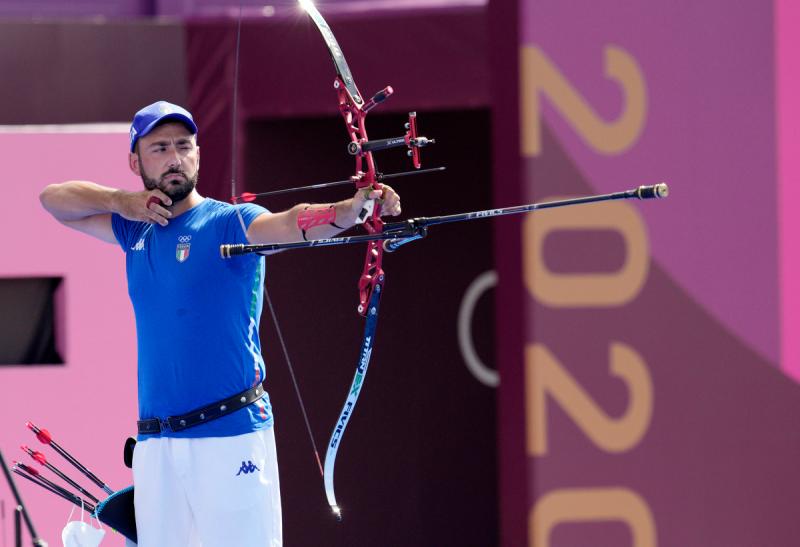
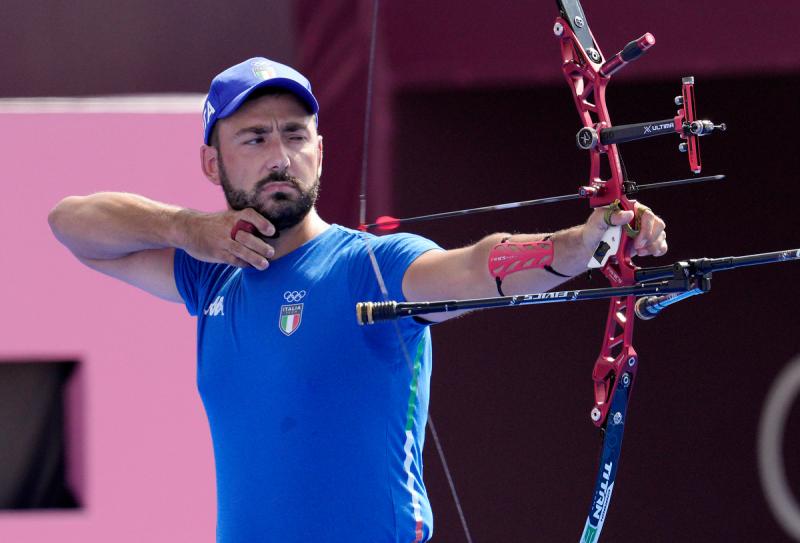
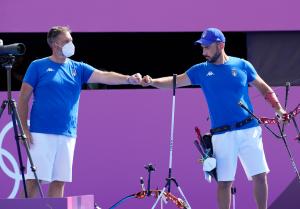
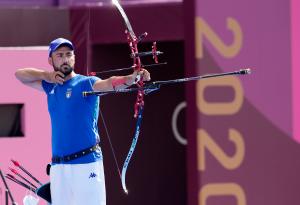
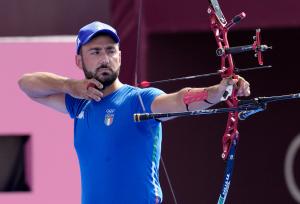
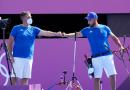
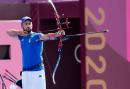
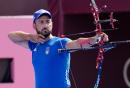
A magnificent Mauro Nespoli fought until the last shot in a relentless sequence against Turkey's Mete Gazoz, coming out of the final confrontation defeated but undoubtedly with his head held high.
The silver medal won by the Italian Team is still a great achievement. Nespoli's ride to the final match began in the Round of 16, where he defeated Brazilian Marcus D'Almeida 6-0 (29-28, 28-26, 29-25). In the quarter-finals he won against German Florian Unruh 6-4 (28-28;26-29, 29-28; 28-26;27-27) and finally beat Chinese Taipei Chih Chun Tang 6-2 (29-27;28-30;28-27;29-28) in the semifinals. On his way, then, came the young Turk Mete Gazoz, who had already demonstrated his value by first overcoming the American Ellison 7-3 and then, with the same score, the Japanese Furukawa in the semifinals.
The final clash was immediately very balanced: Nespoli won the first set (29-26) and then reached a tie in the second set (28-28) and tried to keep his concentration. But Gazoz dids not give him time to enjoy the advantage and realigned the destiny of the match (26-27) and continued in the fourth set in perfect equilibrium (29-29). Finally, in the last sequence of shots, two centres out of ten weaken the hopes of Nespoli, who failed to reach his opponent in the last shot (26-29).
Mauro Nespoli wins silver medal














Page 58 of 146