Mondiali, Fabbrizi e Pellielo in corsa nel Trap. Domani la finale
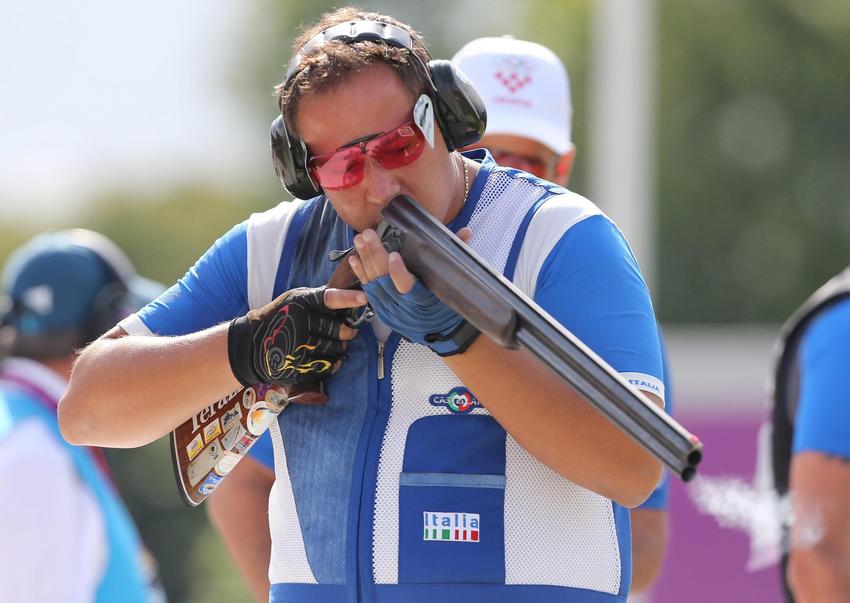 Si è concluso anche il secondo giorno della gara di Fossa Olimpica Maschile del 51° Campionato del Mondo di Tiro a Volo, al Caer de Tiro Olimpico Juan Carlos I di Granada. Dopo pe quattro serie previste dal programma, l’inglese Edward Ling e l’indiano Manavjit Singh Sandhu conducono la gara con 100 su 100. Nessun errore per i due, seguiti a strettissimo giro dagli azzurri Giovanni Pellielo (Fiamme Azzurre) e Massimo Fabbrizi (Carabinieri). Quest’ultimo stamattina è stato perfetto, siglando un esemplare 50/50, esattamente come fatto da Valerio Grazini (Forestale), salito fino a quota 97/100. Per il quattro volte Campione del Mondo e tre volte medagliato olimpico, l’unico errore di questi due giorni è arrivato in occasione del 23° lancio della seconda serie odierna. Nulla di compromesso, in ogni caso, per le speranze di rientrare tra i migliori sei che domani si affronteranno per accedere ai medal matches con in palio il titolo iridato e le prime tre carte olimpiche per Rio 2016. La semifinale è prevista per le 16.00 e verrà trasmessa in diretta da Rai Sport 2 a partire dalle ore 15.50.
Mondiali, anche Pellielo in testa nel Trap dopo i primi 50 piattelli
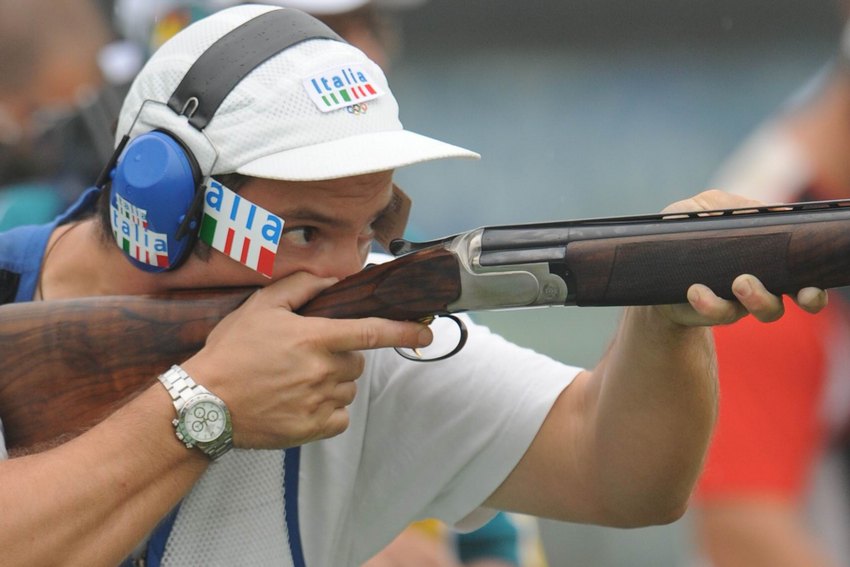 Buona la prima. Giovanni Pellielo apre i 51esimi Mondiali di Tiro a Volo a Granada guidando la classifica provvisoria della Fossa Olimpica, insieme ad altri undici tiratori. Il quattro volte Campione del Mondo e tre volte medagliato olimpico non ha sbagliato nulla. Con un perfetto 50/50, guida il gruppo dei 145 aspiranti Campioni del Mondo e si presenta al secondo giorno di gara con un percorso netto. Buona anche la prestazione di Massimo Fabbrizi. Il Vice Campione Olimpico ha avuto una sola defaillance nella seconda serie, ma con 49 segue i vertici della classifica a brevissima distanza. Qualche difficoltà in più per Valerio Grazini, secondo nella Finale di Coppa del Mondo 2013, che ha iniziato la giornata infilando uno zero nel primo piattello della prima serie. Con 24/25 e 23/25 è arrivato a quota 47. Domani la gara proseguirà con altri 50 piattelli di qualificazione e terminerà mercoledì 10 settembre con gli ultimi 25, la semifinale ed i medal matches. I primi tre classificati consentiranno al Paese di appartenenza di ottenere la Carta Olimpica per Rio 2016.
Italia-Usa 1-3 ma gli azzurri avanzano alla seconda fase dei Mondiali
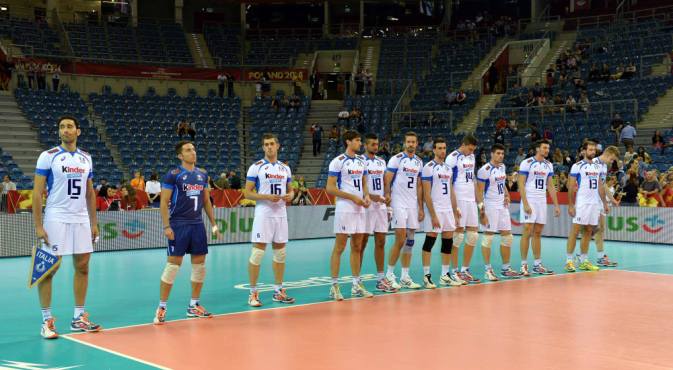 Ancora una sconfitta per la Nazionale maschile di pallavolo, che cede per 3-1 (25-18 25-20 23-25 25-17) agli Stati Uniti, ma riesce ad entrare comunque nel girone della seconda fase dei Mondiali in Polonia (per numero di vittorie nei confronti del Belgio con cui hanno concluso a pari punti), dove sono attesi a Lodz dalle gare con Serbia e Polonia (mercoledì 10 e giovedì 11) e a Bydegoszcz da Australia ed Argentina (sabato 13 e domenica 14). Quattro gare da vincere per continuare ad inseguire la fase finale a sei, che in questo momento sembra molto lontana. Birarelli e compagni partiranno con soli 2 punti e dovranno cercare di raggiungere il terzo posto ora occupato dalla Serbia con 6.
L'Italia contro gli Usa aveva l'occasione di riscattarsi, dopo lo scivolone con Porto rico. Non c'è riuscita, ma ha mostrato grande volontà di uscire da una crisi, che gli stessi protagonisti non riescono a spiegarsi completamente.
"Qui in Polonia a parte qualche momento non ci siamo espressi sui nostri migliori livelli - ha commentato Dragan Travica che nella seconda parte del match è tornato a guidare la squadra - Per questo non abbiamo battuto gli Stati uniti ed abbiamo perso le gare in precdenza. Sino a questa partita la sfera ce l'avevamo noi. Avevamo l'occasione di cambiare il nostro Mondiale. ci abbiamo provato davvero con tutte le nostre forze ed i nostri difetti. Non ci siamo riusciti, ma questa è la faccia più positiva della gara".
L'Italia non ha iniziato benissimo, fermata soprattutto dalla forza in battuta degli americani. Nel secondo set Mauro Berruto ha perduto Ivan Zaytsev per un infortunio alla caviglia destra e lo ha sostituito con Vettori. In svantaggio 0-2 la squadra azzurra si è parzialmente ritrovata. Ha "raccolto" molto di più in difesa, ha lottato e vinto 25-23 il terzo riaprendo il match. Sullo slancio gli azzurri sino sono portati avanti nel quarto 6-4, ma poi alla lunga hanno iniziato a sbagliare troppo ed hanno ceduto. Berruto inizialmente ha deciso di rimettere in squadra Simone Parodi, martello accanto a Kovar, confermato invece Baranowicz in regia. Simone Buti, dopo il riposo di sabato ha ripreso il suo posto da titolare al centro insieme a Birarelli. Poi ha utilizzato molto Travica, in pianta stabile dal terzo set e dopo l'infortunio dello "Zar" ha messo dentro Vettori.
Unveiled the emblems for Olympic and Paralympic Games: a vibrant expression of Queensland and Australia
- BRISBANE 2032
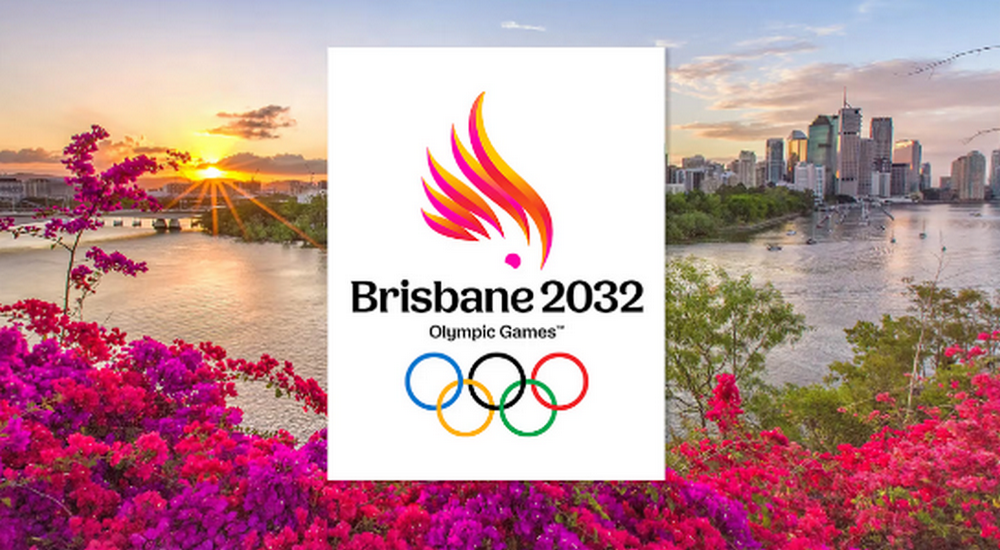
Brisbane 2032 has unveiled its Olympic and Paralympic emblems, inspired by Queensland’s character, wildlife and identity. At their heart are two native Australian cockatoos, giving each a distinctive look and personality.
Speaking about the unveiling, the International Olympic Committee (IOC)’s Brisbane 2032 Coordination Commission Chair, Mikaela Cojuangco Jaworski, said: “With this emblem, Brisbane and Queensland take their place in a historic line of Olympic identities stretching back over a century, representing Australia on the global stage for the third time, with Melbourne in 1956 and Sydney in 2000. Bringing together the nature and character of the country, this region and its people with iconic Olympic imagery, this emblem could not be better suited to carrying these Games forward".
At the heart of the design are two variations of the cockatoo, a bird native to Queensland and Australia and known for its playful, inquisitive character. The pink cockatoo represents the Olympic Games, while the sulphur-crested cockatoo is used for the Paralympic Games. Several other elements are woven into the designs. The outline of Queensland appears within the cockatoo’s crest, while the Olympic and Paralympic flames represent unity, hope and inspiration. The arrangement of three and two feathers provides a subtle reference to Australia’s home Games in 2032. The cockatoos also carry First Nations significance, with strong connections to Country and a cultural role as messengers linking people to place, story and ceremony.
In both emblems, the cockatoo is combined with the Brisbane 2032 signature in bespoke font, while Games symbols – the Olympic rings and Paralympic Agitos and designations – allow each element to tell part of the story while reinforcing the others. The result brings a contemporary expression of Queensland into the long tradition of Olympic and Paralympic identities, pairing local character with the enduring symbols of the Games. Brisbane 2032 President Andrew Liveris said: “Olympic and Paralympic Games emblems are an opportunity to promote the unique character of a Games, inviting the world to learn more, visit, invest and be part of an event unlike any other". The emblems were created by a consortium of local and global creative agencies, overseen by the Brisbane 2032 Organising Committee, and extensively tested in Australia and internationally.
Twelve Olympic, Paralympic and sporting greats took part in five reveals held across Queensland, from Cairns and Townsville to Rockhampton, the Sunshine Coast and the Gold Coast. The locations of the reveals were the Great Barrier Reef, Castle Hill, Rockhampton’s Riverside Precinct, Wildhorse Mountain and Currumbin Beach. The series of locations was designed to showcase the diversity of Queensland, with each stop adding another piece of the Brisbane 2032 identity. The six elements then came together at a launch event, with two large-scale physical emblems revealed in Brisbane’s South Bank.
The Olympic and Paralympic emblems will now become a central part of Brisbane 2032’s visual identity, as preparations continue towards the Games. The designs are separate from the Brisbane 2032 mascot or mascots, which will be unveiled closer to Games time. The Brisbane 2032 Olympic Games will take place from 23 July to 8 August, with the Paralympic Games taking place from 24 August to 5 September.
Atlanta confirmed as first US stop with Olympic Torch Relay to visit all 50 US states
- ROAD TO LOS ANGELES 2028
The LA28 Olympic Torch Relay will travel across all 50 US states, beginning with a highly symbolic arrival in Atlanta, host of the last Olympic Games held in the US 30 years ago, connecting the legacy of the 1996 Games with the enthusiasm of LA28.
After the Olympic flame is lit in Ancient Olympia, Greece, and carried on a short relay across the country, it will be handed over at the historic Panathenaic Stadium in Athens before embarking on its journey across the US towards the LA28 Olympic Games.
From Atlanta, the Relay will pass iconic landmarks and visit a number of cultural and sporting events, with special celebrations planned in selected cities.
“Every Olympic Games begin with a single flame, and transporting that flame to Los Angeles is an honour and privilege that we'll share with every corner of the country, as Americans in all 50 states carry the flame on its path to our Opening Ceremony” said Casey Wasserman, LA28 Chairperson and President.
Atlanta Mayor Andre Dickens shared his excitement for the Olympic flame returning to the city. He said: “Thirty years ago, Atlanta welcomed the world. The 1996 Centennial Olympic Games changed this city. They introduced a modern Atlanta to billions of people across the globe and proved we could compete on the biggest international stage”.
“Thirty years later, Atlanta looks a little different. We are bigger. We are more connected to the world. So, when the flame returns to the US, Atlanta will be ready. Ready to welcome it from Greece. Ready to celebrate the spirit of the Games together as a community. And ready to send it forward toward Los Angeles and the next chapter of America’s Olympic story. Atlanta was proud to carry that flame in 1996. We will be proud to welcome it back” said Atlanta Mayor Andre Dickens.
Both the LA28 Olympic and Paralympic Torch Relays will be supported by Presenting Partners, including Worldwide Olympic Partners Coca-Cola and JPMorganChase.
The full route will be announced in 2027, ahead of the Relay beginning in spring 2028 and concluding at the Opening Ceremony of the LA28 Olympic Games.
Atlanta’s Olympic connection extends beyond the 1996 Games. The city is also home to Coca-Cola, the longest-standing partner of the Olympic Movement. Its relationship with the Olympic Games began in 1928, meaning the flame’s arrival will coincide with the centenary of that partnership.
Further details about participating cities, torchbearer nominations and other Relay activities will be announced in the coming months.
The LA28 Olympic Games will take place from 14 to 30 July 2028, followed by the Paralympic Games from 15 to 27 August 2028.
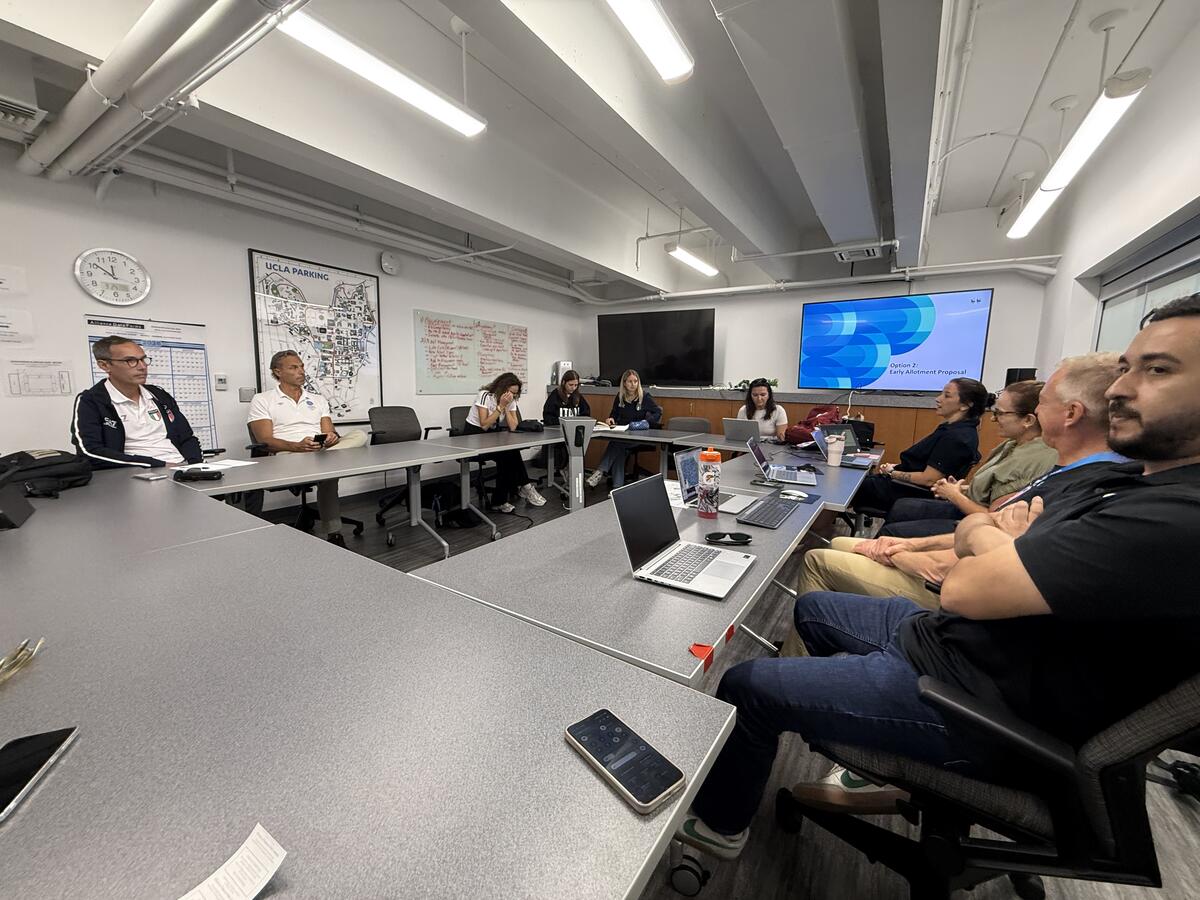
Mornati leads delegation to Los Angeles ahead of the 2028 Games
- ITALIA TEAM
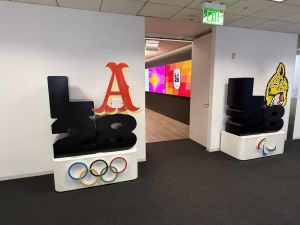
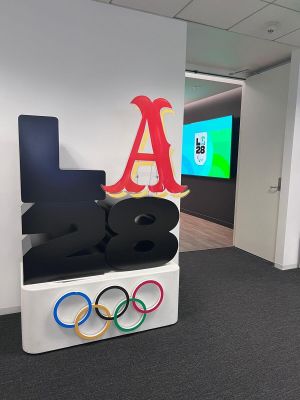
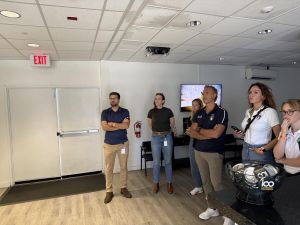
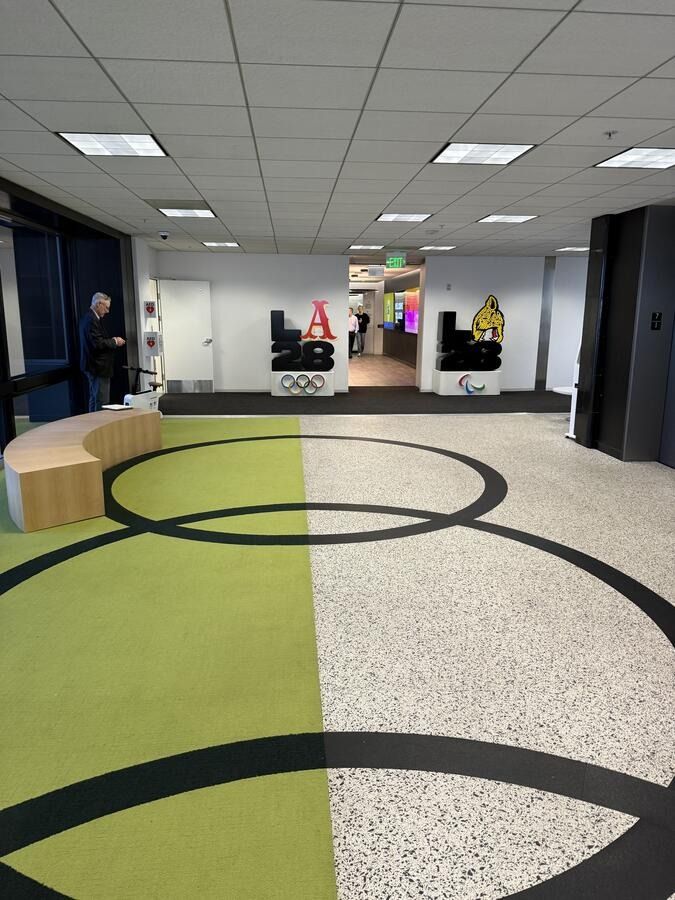
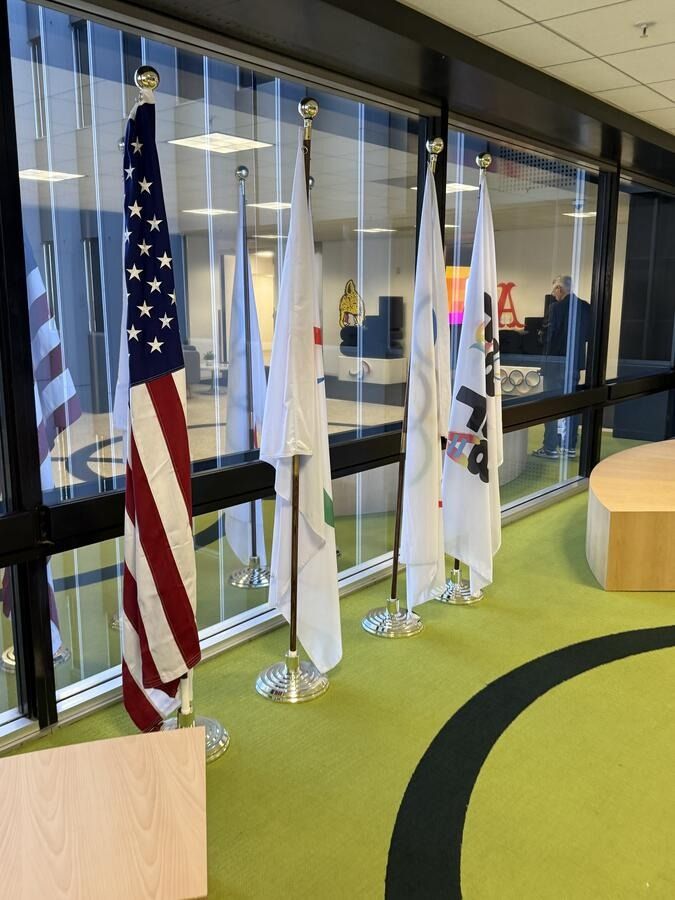
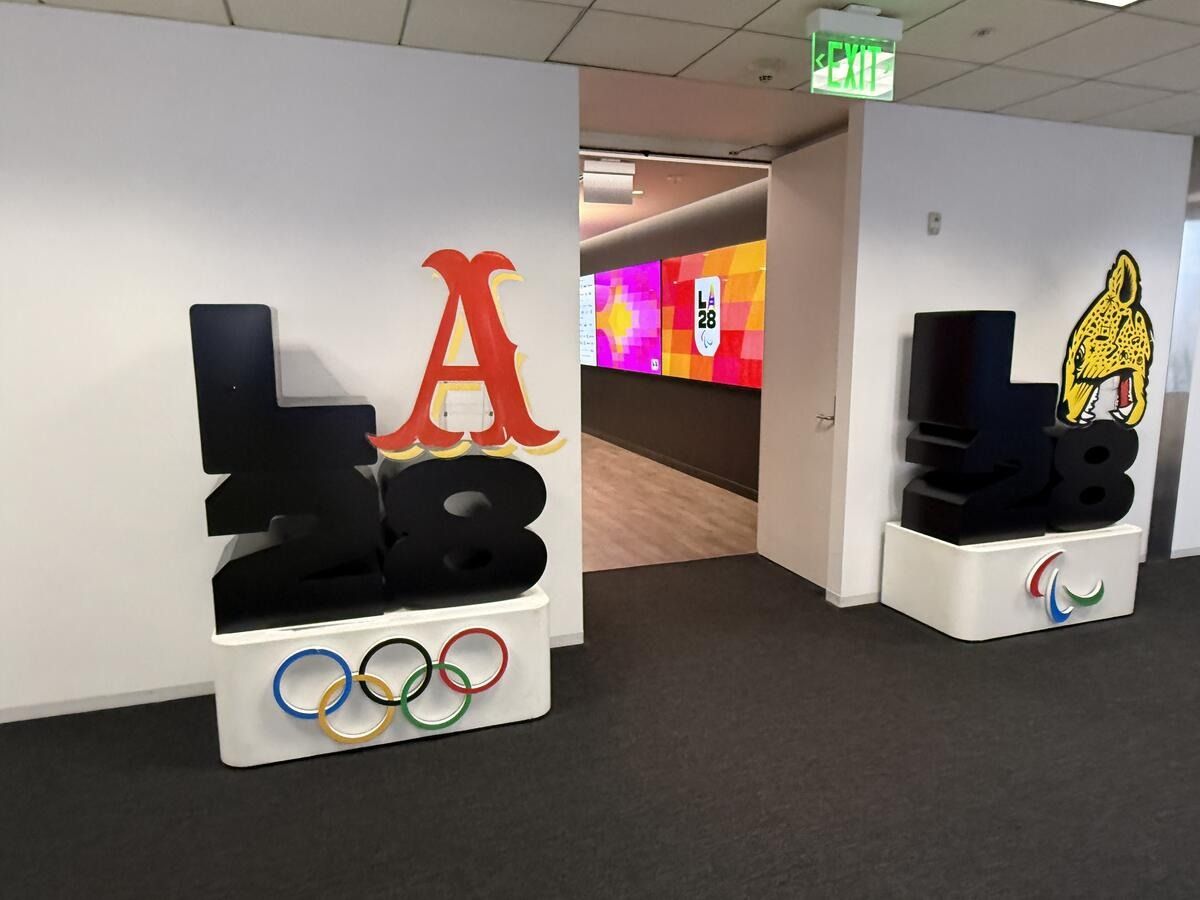
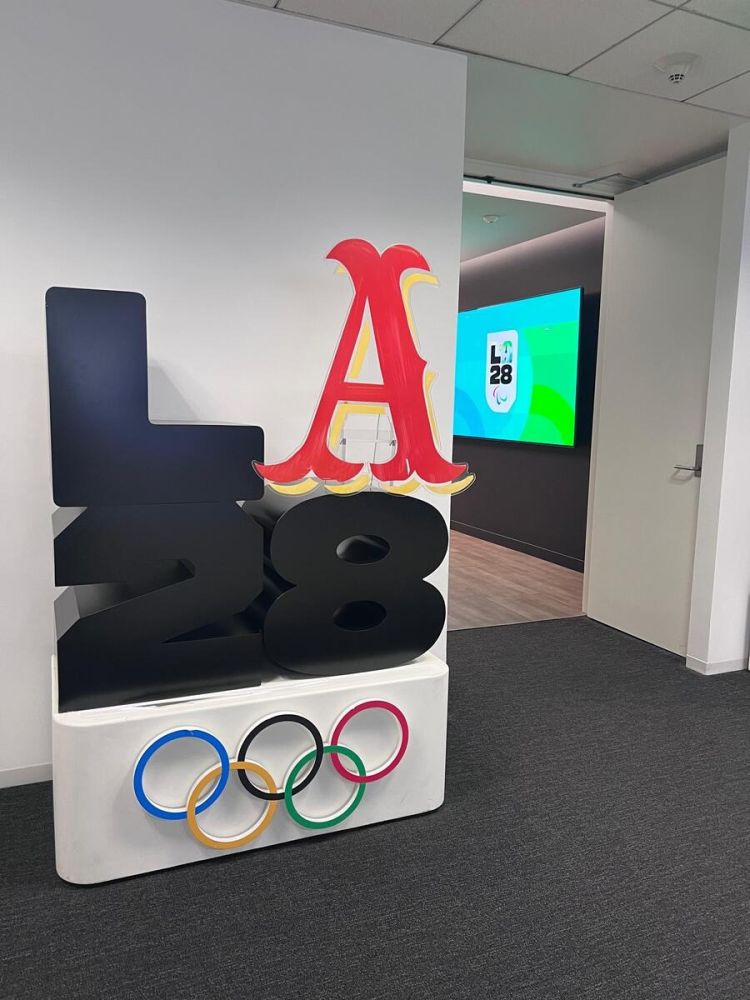
A week of meetings and site visits in preparation for the 2028 Olympic Games has concluded in Los Angeles. The delegation from the Italian National Olympic Committee, led by Secretary General Carlo Mornati, took part in a series of operational meetings and visits focused on preparing Italia Team’s participation in the next edition of the Summer Games.
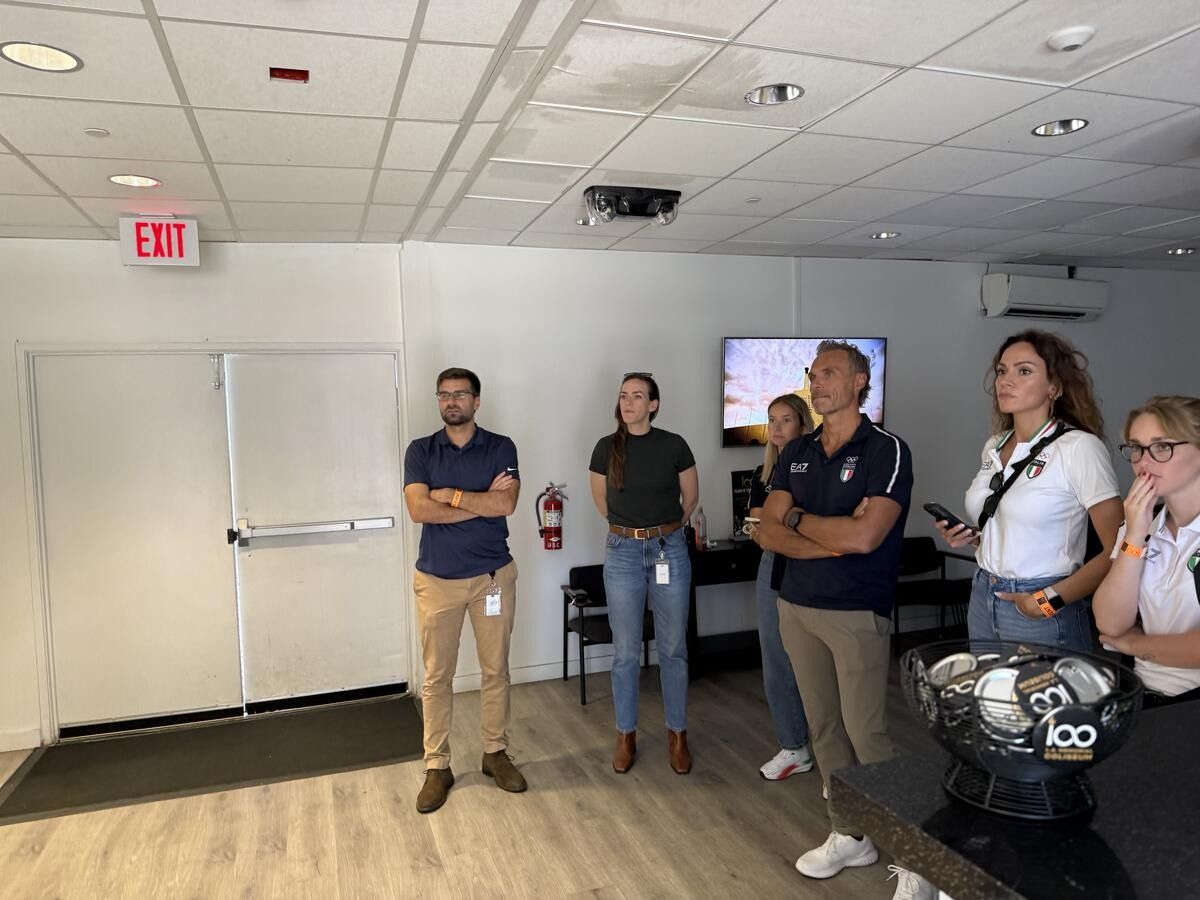
The programme included two days of bilateral meetings at the LA28 Headquarters, during which the Italia Team staff held in-depth discussions with the Organising Committee on some of the key areas of Olympic planning, including accommodation, transport and accreditation procedures. The following day, discussions continued with presentations focusing on sport, medical matters and healthcare services, examining further operational issues linked to the preparation and support of the Italian delegation during the Games.
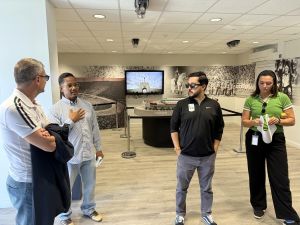
Alongside the technical meetings, the delegation, which included Alessio Palombi, Head of the Olympic Preparation Office, and other members of his Office, carried out site visits to some of the venues that will host competitions in 2028.
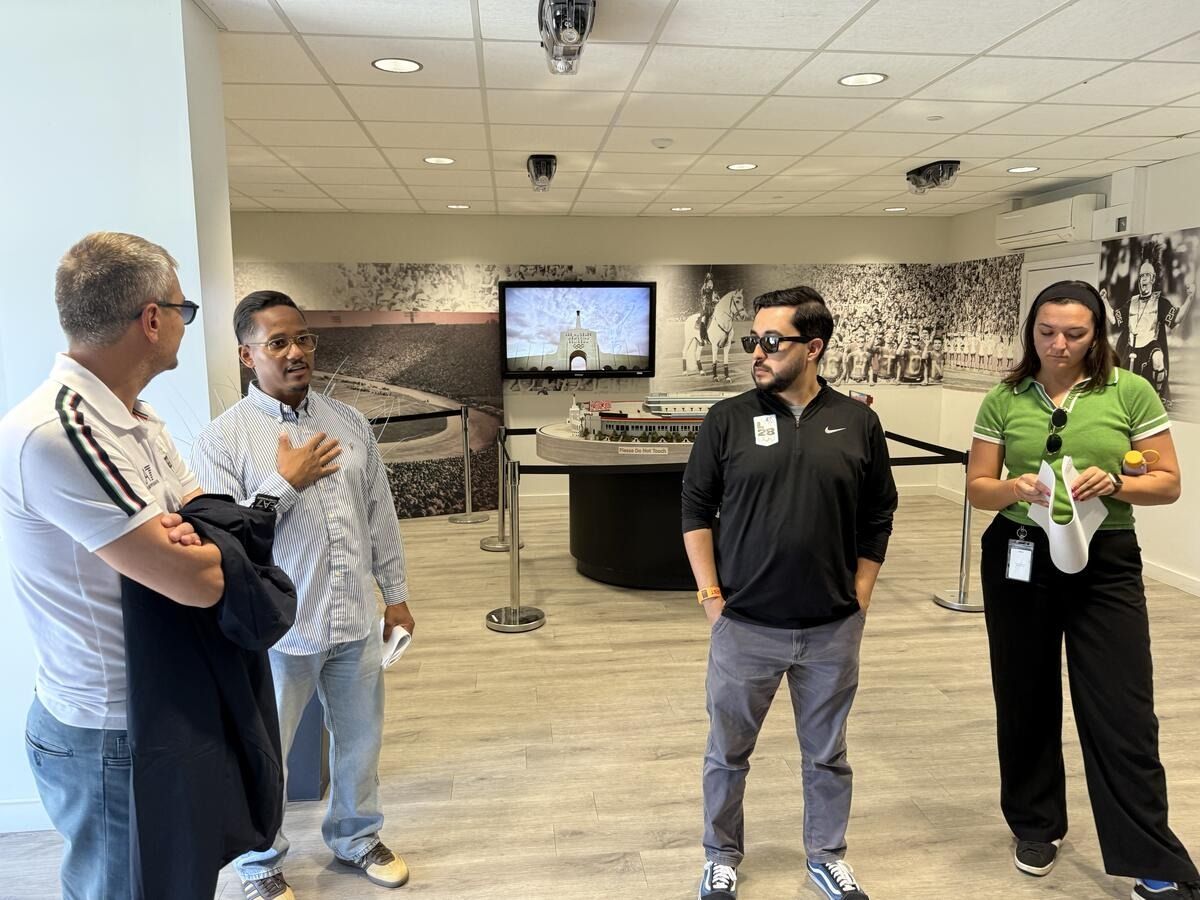
These included the Los Angeles Memorial Coliseum, which will host the athletics competitions and will also be involved in the Olympic ceremonies, and the Carson Velodrome, which will stage the track cycling events. The Coliseum, already a key venue at the 1932 and 1984 editions, will in 2028 become the only stadium in history to have hosted Olympic athletics competitions at three different editions of the Games.
On Thursday, the delegation also visited the UCLA campus, which in two years’ time will host the Olympic Village. The visit was accompanied by a series of meetings with the Organising Committee, aimed at gaining a deeper understanding of the characteristics of the different areas of the campus and identifying the accommodation best suited to the needs of the Italian team, ahead of the stay of Italia Team athletes and staff during the Games.
During the week, a number of additional potential training camps outside the Olympic Village were also inspected, continuing the assessment of the available facilities and logistical solutions with the aim of identifying the option best suited to the needs of the Italian team ahead of the Games.
The stay in Los Angeles also provided an opportunity to assess several options for Casa Italia, CONI’s hospitality house that traditionally accompanies Italia Team during the Olympic Games. The 2028 edition will carry particular symbolic significance: Casa Italia was in fact first established in Los Angeles for the 1984 Olympic Games, marking the beginning of a project that over the years has become one of the distinctive features of Italy’s presence at the Olympics.
The meetings, site visits and technical inspections carried out during the week therefore represent a further step on the road to Los Angeles 2028, with the aim of planning well in advance the logistical, organisational and sporting aspects of Italia Team’s presence and creating the best possible conditions for athletes and staff during the Games.
Delegazione CONI a Los Angeles per preparare i Giochi del 2028







Dakar 2026 medals unveiled: a story of Senegal from ancient roots to a vision of the future
- YOUTH OLYMPIC GAMES
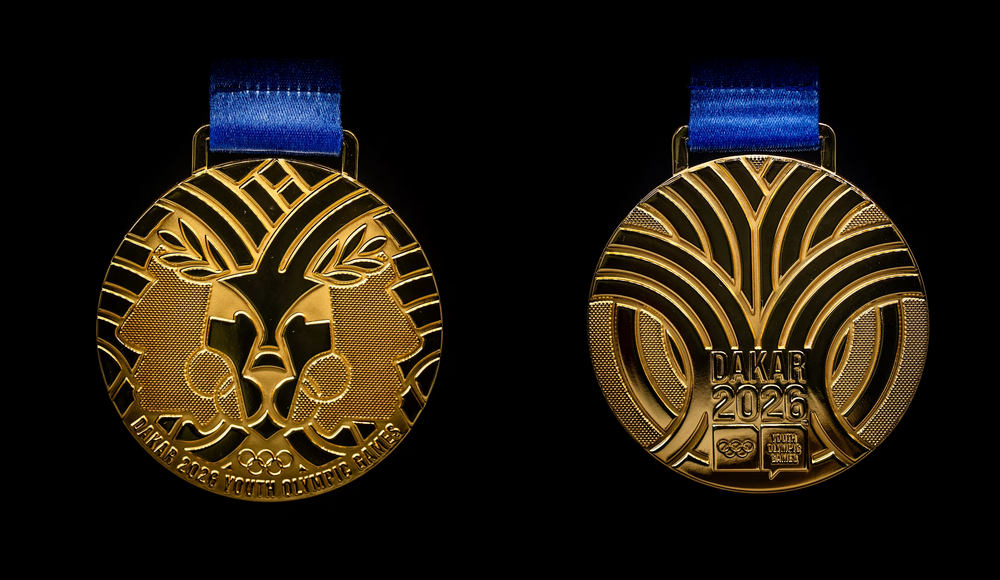
Winning a medal in a competition is probably the ultimate goal for any athlete. It rewards years of hard work, sacrifice and perseverance. For the young champions of the Dakar 2026 Youth Olympic Games, it will also hold special significance. For the first time in history, an Olympic sporting event is being held on the African continent. The medals awarded to the winning athletes at this unprecedented edition have therefore been designed to tell the story of Senegal, its heritage and its youth. On Wednesday 16 September, the medals for the 2026 Dakar Youth Olympic Games were unveiled to the public. On both sides of the medals, several symbols complement one another: the lion and the baobab tree, directly inspired by Senegalese culture, as well as motifs specific to the Olympic movement.
On the obverse of the medal, the lion takes centre stage. An iconic symbol of Senegal, the lion is commonly associated with strength and courage, two essential qualities in sport. Its mane consists of two faces inspired by Senegalese craftsmanship. Arranged symmetrically, they represent fairness, a fundamental principle of sporting competition. Each face is crowned with an olive wreath. In Olympic tradition, this is a symbol of victory, peace and excellence. It is a direct reference to the history of the Olympic Games. This design was developed following a global call for proposals launched by the International Olympic Committee. Named ‘The Roar of Youth’, this striking motif was conceived by the 26-year-old Spanish designer Pilar Barbadillo Vicario.
On the reverse side, another iconic symbol of Senegal appears: the baobab. An emblematic tree of the ‘Land of Teranga’ and, more broadly, of the entire African continent, it evokes strength, longevity, wisdom and the passing on of knowledge. In this context, the baobab also echoes the idea of a youth that is growing and building itself up from its roots. On this side of the medal, the baobab takes on a contemporary graphic style, echoing the original design on the obverse. Its roots and branches unfurl in curves and counter-curves, as if to give the tree a sense of movement and elevation. These lines also evoke cables, alluding to new technologies and connectivity in the digital age. The ancient baobab tree is thus transformed into a connected structure. A dialogue between Senegalese heritage and modernity. To create this design, a competition was organised in partnership with the National School of Arts of Senegal.
The overall motif on both sides of the medals thus conveys a balance between deep roots and forward momentum. Between heritage and the future. The design of the medals also forms part of a broader theme: “From History to the Future”. This theme creates a dialogue between Senegal’s heritage and its ambitions for future generations. It serves as a reminder of the importance of understanding one’s history whilst building the future. This convergence of nature and innovation reflects the very ambition of the Dakar 2026 YOG: to celebrate Senegal’s history and culture whilst looking to the future. The medal thus becomes a symbol of a youth firmly rooted in its heritage, yet ready to make history. The medals for the Dakar 2026 YOG will accompany the young athletes onto the podium as their achievements are celebrated. But they will also carry a piece of the history of the host country and of the continent where humanity first emerged.
Dakar 2026 flame lit in Athens as historic journey to Africa begins
- YOG
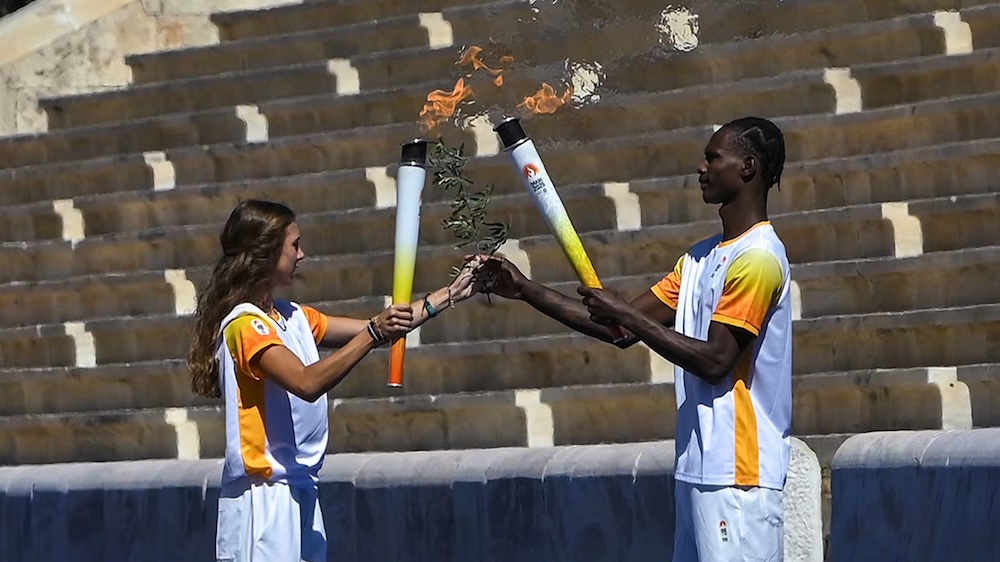
The Youth Olympic flame for Dakar 2026 has been lit at the historic Panathenaic Stadium in Athens, Greece. This marks the start of its journey to Dakar in Senegal and another major milestone on the road to the first Olympic sporting event ever held on African soil.
The lighting of the Youth Olympic flame is one of the defining moments of any Youth Olympic Games (YOG). This edition, in particular, is historic, as it links Greece, the birthplace of the Olympic Games, with a new chapter in Olympic history, as the YOG head to Africa for the first time.
Lit using the sun’s rays - in keeping with Olympic tradition - the flame was formally handed over to Senegal before beginning its journey towards Dakar.
Dakar 2026 Ambassador and Senegalese Olympian Oumy Diop, also an Olympic Solidarity scholarship-holder, took part in the ceremony, representing the generation of young Senegalese and African athletes who will be at the heart of the YOG.
“In just a few weeks, Senegal will welcome young athletes from around the world for the first Olympic competition ever to be held on African soil. That is a proud moment for Senegal. And it is a proud moment for Africa. And it is going to open an important new chapter for the Olympic Movement”.
From Athens to Dakar
After the lighting ceremony, the flame will travel to Senegal, where it is due to arrive in Dakar on Saturday.
Throughout the journey, it will burn in a special lantern. The lantern enables the flame to travel safely, including by air, under the supervision of flame guardians, ensuring that the flame carried by torchbearers in Senegal is the same Youth Olympic flame lit in Athens.
A major celebration in Dakar will welcome the flame, before it begins its journey across Senegal, bringing together young people, athletes, cultural figures and communities around the Olympic values.
What does “Pass the Energy” mean?
From 14 September to 30 October, the Youth Olympic flame will travel through all 14 regions of Senegal under the theme “Pass the Energy”.
The concept reflects the wider idea of passing energy between people, communities and generations as the flame travels across the country.
Rooted in the Olympic values of excellence, respect and friendship, “Pass the Energy” will celebrate solidarity, connection and the energy and creativity of Senegalese and African young people.
At each stage of the Flame Tour, communities will have an opportunity to contribute to that energy and carry the spirit of Dakar 2026 forward towards the Games.
Several hundred participants from different backgrounds are expected to be involved across more than 30 stages around the country.
A journey towards historic Games
The Flame Tour will bring Dakar 2026 directly to communities across Senegal, with sporting, cultural and educational celebrations accompanying the journey.
Schools and young people will play a central role, while local athletes, artists and community representatives will contribute to events reflecting the identities of the various regions.
The journey will reflect the Dakar 2026 motto, “Africa Welcomes, Dakar Celebrates”, and the ambition for the Games to be delivered by young people, for young people and with young people.
Dakar 2026 will bring together the world’s best young athletes while engaging young people across Senegal and Africa through sport, culture, education and volunteering.
The flame will return to Dakar at the end of its national journey ahead of the Opening Ceremony on 31 October at the Stade Abdoulaye Wade in Diamniadio, where the Youth Olympic cauldron will be lit.
After the Opening Ceremony, the cauldron will be located at Corniche West, home to the Dakar 2026 festival site and cycling venue, where the flame will remain alight throughout the Games until 13 November.
Dakar 2026 will bring together the young athletes from around the world from 31 October to 13 November 2026, for the first Olympic sports event to be held on African soil.
The official ticketing site for the Dakar 2026 YOG is now open. Book your tickets!
Taranto 2026 comes to an end: record-breaking Italia Team represented at the Iacovone Stadium by flagbearers Andreoli and Condemi
- CLOSING CEREMONY
The curtain has come down on an unforgettable 20th edition of the Mediterranean Games.
The Closing Ceremony at the Erasmo Iacovone Stadium marked the end of Taranto 2026, a record-breaking event for Italia Team.
The Italians, who topped the medal table for the sixth consecutive edition in a run stretching back to Almería 2005, brought their extraordinary campaign in Puglia to a close with 224 medals: 74 gold, 78 silver and 72 bronze.
Having surpassed the previous all-time record for the total number of podium finishes — the 193 achieved at Bari 1997 — and broken through the historic 200-medal barrier, Taranto 2026 also became Italy’s second-best Mediterranean Games ever in terms of gold medals.
The 74 titles were bettered only by Bari 1997, when Italy won 76, while the totals recorded at Athens 1991 with 67, Latakia 1987 with 69 and Mersin 2013 with 70 were all surpassed during the final days of competition.
The figures underline the achievements of a seemingly unstoppable team.
Among those attending the Closing Ceremony (photo: Andrea Masini/CONI) were Minister for Sport and Youth Andrea Abodi, CONI Secretary General Carlo Mornati, senior officials from the Taranto 2026 Organising Committee and the International Committee of the Mediterranean Games, as well as other representatives of political and sporting institutions.
It was an evening shaped by the music, traditions, colours and lights that characterise Puglia.
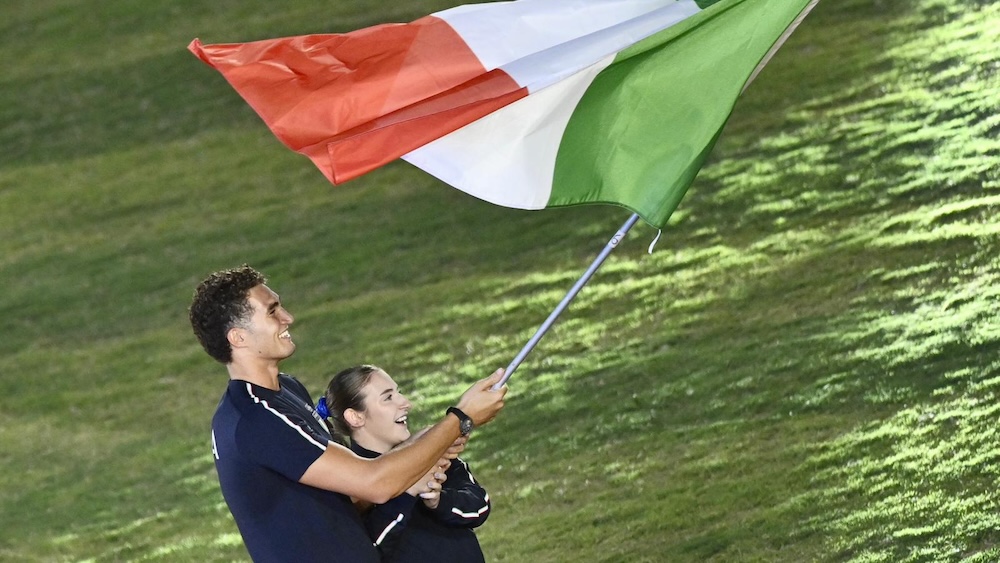
As is customary, Greece led the parade of delegations, accompanied by music and the applause of a celebrating crowd, whose enthusiasm rose even further when Italia Team flagbearers Angela Andreoli and Francesco Condemi appeared on the pitch at the Iacovone.
Mia Zottoli, Miss World Italy 2026, handed the Italian flag to the Italian Navy Honour Guard, which raised it to the sound of the Italian national anthem.
Kosovo basketball player Adhurim Alijaj then carried the flag of his country, which will host the next edition of the Mediterranean Games.
The flag handover ceremony then took place, marking the passing of the baton from Italy, represented by Taranto Mayor Piero Bitetti, to Kosovo, represented by Pristina Mayor Përparim Rama, in the presence of Mehrez Boussayene, First Vice-President acting as President of the International Committee of the Mediterranean Games.
Boussayene then addressed the audience, as did Taranto 2026 President Massimo Ferrarese.
The music started again and the people of Puglia experienced with emotion and enthusiasm the celebration the occasion deserved.
Taranto 2026 by the numbers: record-breaking Games and sixth consecutive victory in the medal table
- ITALIA TEAM
Taranto 2026 is drawing to a close — and has already made history.
As the Closing Ceremony of the 20th Mediterranean Games prepares to get under way, Italia Team can look back with satisfaction at the figures from an edition that has earned its place in the history of Italian sport.
Taranto 2026 has become Italy’s most successful Mediterranean Games ever in terms of total medals, surpassing the previous record of 193 podium finishes set at Bari 1997.
For the first time, Italy has broken through the 200-medal barrier — a feat no European country had previously achieved at a multi-sport event such as the Olympic Games, European Games or Mediterranean Games.
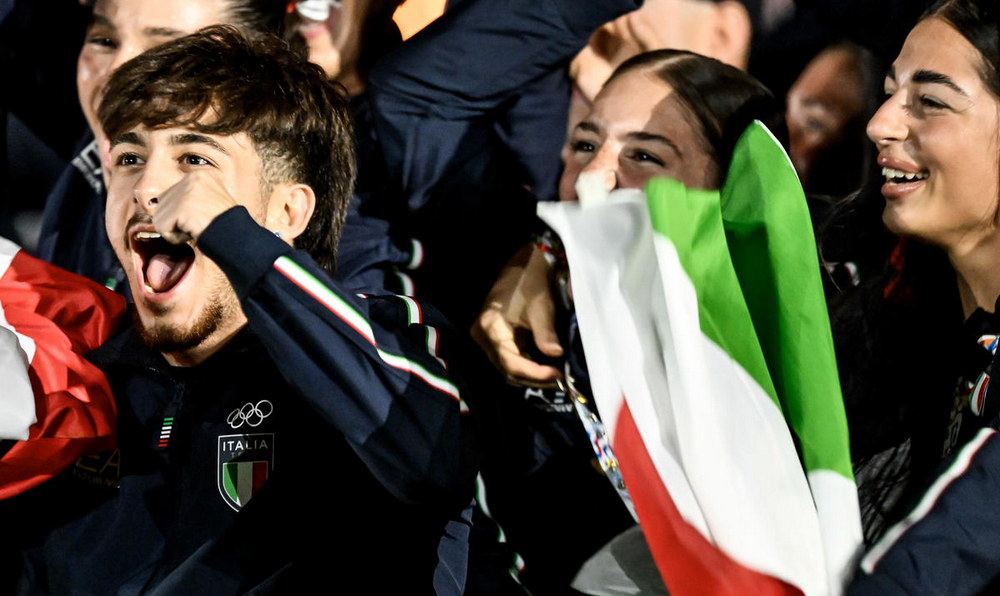
Italia Team topped the medal table for the sixth consecutive edition, continuing a run that began at Almería 2005, with 224 medals: 74 gold, 78 silver and 72 bronze.
That total was more than double the 111 medals won by second-placed Türkiye.
Gold for the Settebello, Italy’s men’s water polo team, took the country’s tally of titles to 74, its second-best result behind Bari 1997.
Italy’s dominance was evident across almost every sport, with 25 of the 27 National Sports Federations represented at the Games winning at least one medal — 92.6 per cent.
FIN, the Italian Swimming Federation, was the most successful, collecting 52 medals: 51 in swimming and the gold medal won in water polo.
Of the 494 Italian athletes competing at Taranto 2026, 309 reached the podium at least once: 169 women and 140 men.
In other words, 62.6 per cent of the Italian athletes competing across the various venues won at least one medal — almost two out of every three.
The Italian athlete to win the most gold medals was swimmer Alberto Razzetti, with three victories in the 100m butterfly, 200m butterfly and 400m individual medley.
Among the women, Benedetta Gava stood out in artistic gymnastics with a hat-trick of gold medals in the vault, floor exercise and team competition, while finswimmer Viola Magoga also reached the top step of the podium three times, winning the 50m bi-fins, 100m bi-fins and the 4x50m mixed bi-fins relay.
The strongest Italia Team ever honoured Taranto 2026 in the best possible way: the 20th Mediterranean Games were very much an Italian affair.
Page 6 of 146