
Silver for Italy in the women’s 3.000m relay, as Arianna Fontana breaks Edoardo Mangiarotti’s record
- SHORT TRACK
A silver born of collective endeavour, yet one that also places a historic seal on the career of a timeless champion. Italy’s 26th medal at Milano Cortina 2026 arrived in the women’s 3,000m short track relay at the Ice Skating Arena and bears the names of Chiara Betti, Elisa Confortola, Arianna Sighel and Arianna Fontana. A team triumph, following gold in the mixed relay on 10 February, but also a long-awaited individual milestone: Fontana claimed her 14th Olympic medal (three gold, six silver, five bronze), becoming the most decorated Italian athlete of all time across both the Winter and Summer Games, surpassing the previous record of 13 podium finishes set by fencing legend Edoardo Mangiarotti.
The Italian quartet (photo Ferdinando Mezzelani/CONI) completed their mission after finishing second in last Saturday’s semi-final behind the Netherlands. This time, however, the Dutch saw their race end on the eleventh lap of the final. Italy, fielding the same line-up as in the semi-final, capitalised on the opportunity, overtaking Canada (bronze medallists) and battling all the way to the final bend against South Korea, who ultimately claimed gold. It was a prestigious silver won in the presence of President of the Council of Ministers Giorgia Meloni — who personally congratulated the athletes after the race — accompanied by CONI President Luciano Buonfiglio and Minister for Sport and Youth Andrea Abodi.
For Arianna Fontana, it is her second silver medal of these Games following her individual podium in the 500 metres, and her record-breaking figures now extend beyond national boundaries. The Italian star moves clear of former Dutch speed skater Ireen Wüst (13 medals), drawing level in second place on the all-time Winter Olympic medal table with former Norwegian biathlete Ole Einar Bjørndalen (14) and moving to within one of former Norwegian cross-country skier Marit Bjørgen (15), the most decorated athlete — male or female — in Winter Olympic history. (agc)
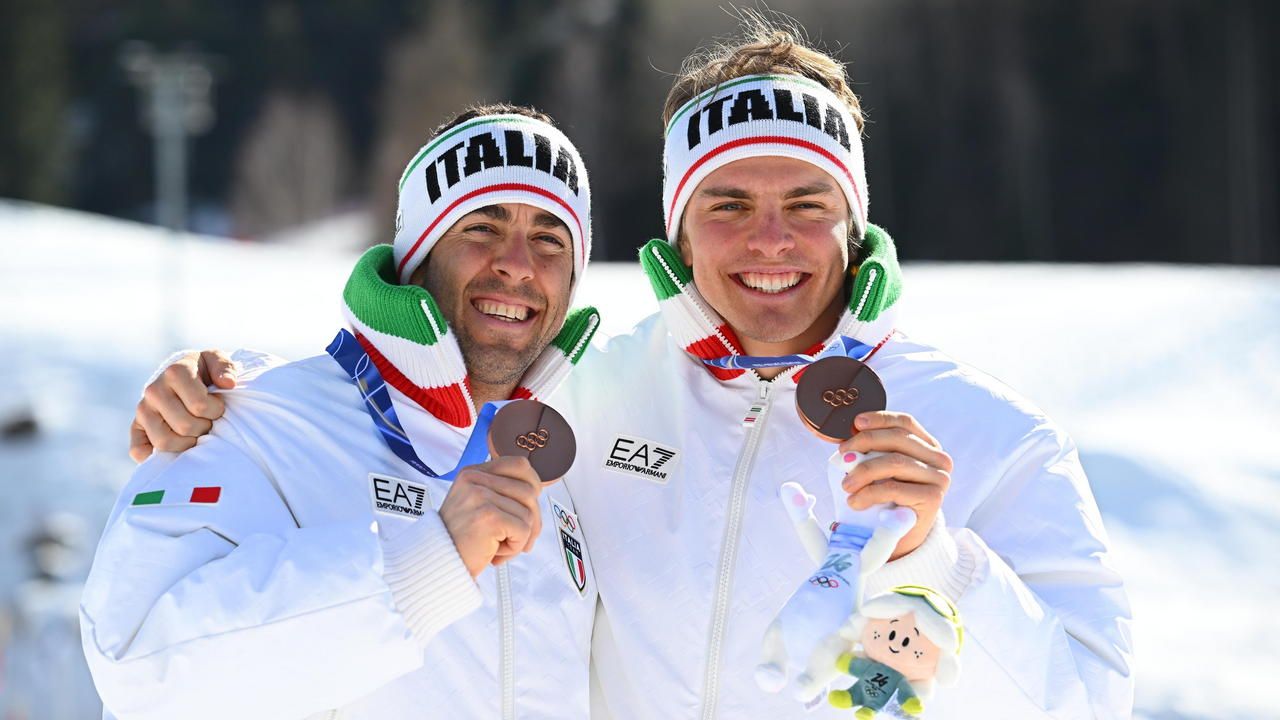
Barp and Pellegrino claim bronze in the team sprint (FT): 25th medal for Italia Team at Milano Cortina
- CROSS-COUNTRY SKIING
Italy’s 25th medal (nine gold, four silver and 12 bronze) at the Milano Cortina 2026 Olympic Winter Games has come from cross-country skiing. On the Lago di Tesero course in Val di Fiemme, three days after the third-place finish in the 4x7.5 km relay (C/F), Elia Barp and Federico Pellegrino secured another bronze in the team sprint in free technique — a discipline officially introduced into the Olympic programme only from Torino 2006 onwards, and one in which Italy had never previously reached the podium, either in the men’s or the women’s event.
It marks a second team celebration at these home Games for Barp and Pellegrino (photo Gianpaolo Piazzi/CONI), with Pellegrino having been one of Italy’s two flag bearers at the Opening Ceremony at San Siro Stadium and competing in what is his fourth and final Olympic appearance. The legend from Nus has now signed off on a quartet of Olympic medals, having arrived at Milano Cortina 2026 already boasting two individual silver medals, won respectively at PyeongChang 2018 (classic sprint) and Beijing 2022 (free sprint).
The well-established Italian duo, lining up for this race on the back of two second-place finishes this season at the Swiss World Cup stages in Davos (12 December 2025) and Goms (23 January 2026), immediately displayed their strong affinity with the Dolomite course, posting the third-fastest time in qualifying (5:49.10) and comfortably securing their place in the 15-team final.
Everything was decided in a gripping sixth and final leg. Once again it was Norway’s unbeatable pairing of Einar Hedegart and Johannes Høsflot Klæbo who raised their arms in triumph (gold in 18:28.9), crossing the line ahead of the United States’ Ben Ogden and Gus Schumacher (silver at +1.4) and Italy (third at +3.3). It was a stirring performance from Pellegrino, who until the final metres of the home straight attempted — unsuccessfully — to challenge the American duo for second place, before defending Italy’s position on the podium with grit and determination against the late charge of Switzerland’s Janik Riebli and Valerio Grond (fourth at +4.3). (agc)
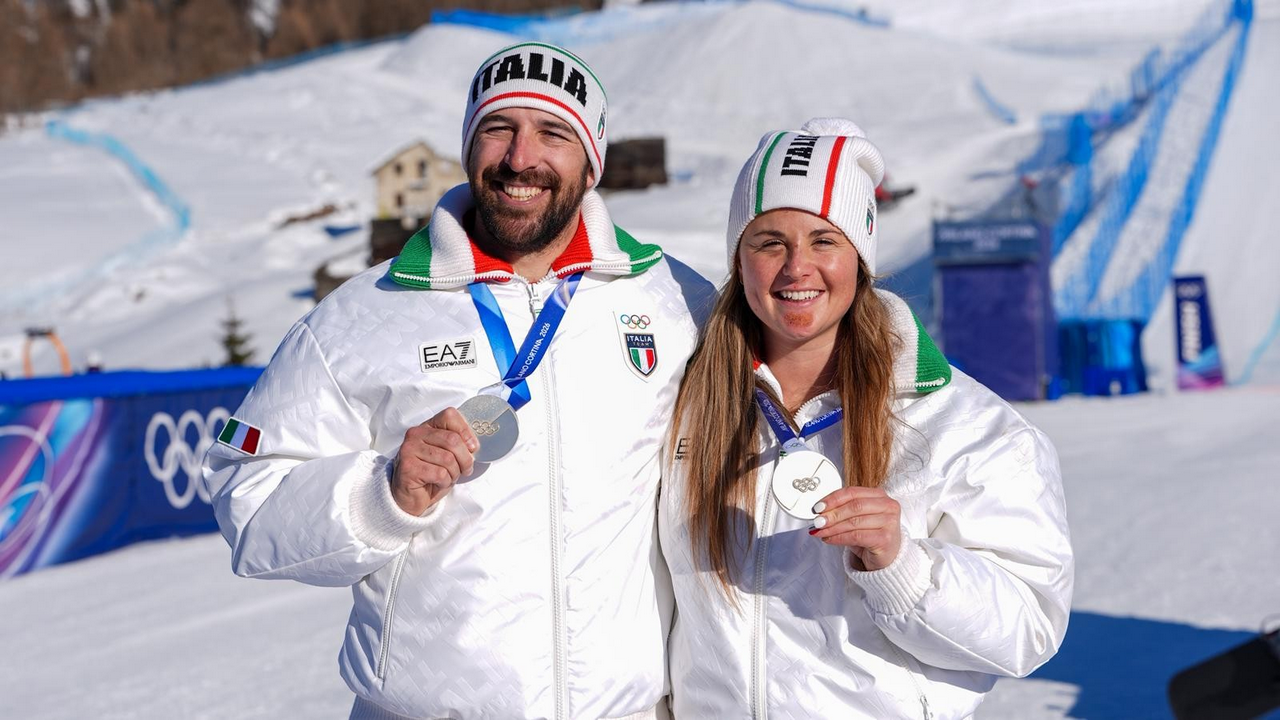
Moioli and Sommariva take mixed team cross silver as Italy surpass Lillehammer 1994 record
- SNOWBOARD
A historic day for the Azzurri. With Michela Moioli and Lorenzo Sommariva claiming silver in the mixed team snowboard cross, Italia Team secures its 21st medal at Milano Cortina 2026, surpassing the 20-podium record set at Lillehammer 1994. The medal came between Federica Brignone’s giant slalom gold and Lisa Vittozzi’s biathlon pursuit triumph (podium number 22).
After dominating the quarter-finals and semi-finals, the Italian duo finished second in the Big Final, 0.85 behind Great Britain’s Huw Nightingale and Charlotte Bankes, and ahead of France’s Loan Bozzolo and Lea Casta. The other Italian team - Sofia Groblechner and Omar Visintin - exited in the quarter-finals. It marks snowboard’s third medal of these Games for Italy, following Moioli’s individual cross bronze and Lucia Dalmasso’s parallel giant slalom bronze.
“The greatest satisfaction is seeing our athletes on the podium in nine different disciplines. That shows the federations, the military sports groups and CONI’s Olympic preparation have worked for the benefit of all disciplines and that we are contributing to a widespread sporting culture,” commented CONI President Luciano Buonfiglio. “With our venues, teams and athletes we are sending a message of positivity, healthy living and strong values to the younger generation. Italy is proving to be a protagonist in winter disciplines as well as summer ones, thanks to the excellent organisation of the federations and sports groups, supported by CONI’s Olympic preparation team. Nothing happens by chance.”
He added: “We are well advanced in planning for Los Angeles, identifying members of the Olympic club and coordinating with each federation. Italian sport — CONI, the sporting bodies, federations, promotion entities and associated disciplines — is pursuing professionalism.”
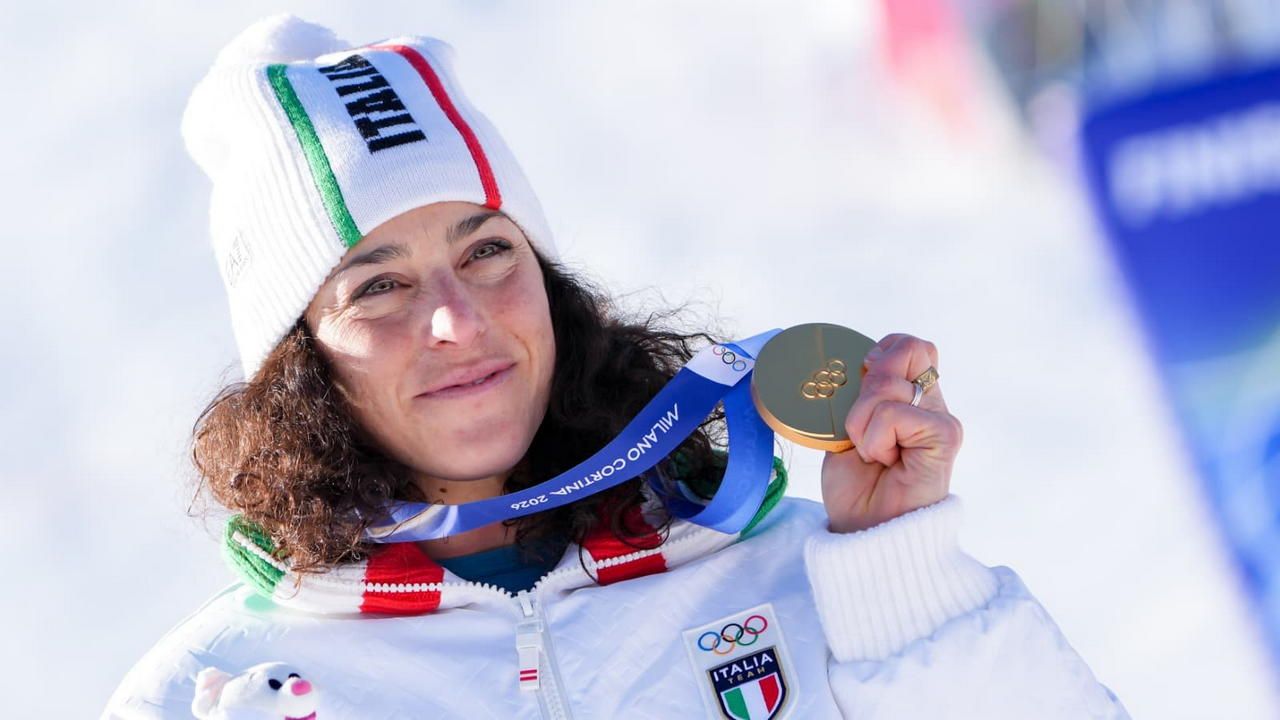
Federica Brignone triumphs in giant slalom: historic Olympic double like Alberto Tomba
- ALPINE SKIING
A seventh gold, a 20th medal, and the Lillehammer legend finally matched. With one week of competition still remaining at Milano Cortina 2026, Italy Team equals its Winter Olympic record — set 32 years ago in Norway — and does so in the name of Federica Brignone, victorious in giant slalom, her signature event and the discipline in which she has claimed 17 World Cup wins.
After gold in the super-G three days ago, the Italian star (photo Simone Ferraro/CONI) once again masters the iconic Olympia delle Tofane in Cortina and secures her second victory of the same Olympic edition — a feat previously achieved among Italian skiers only by Alberto Tomba (gold in slalom and giant slalom at Calgary 1988) — all 349 days after the injury that could have ended her career but instead provided the added drive to claim her first Olympic golds, following a silver (giant slalom at Beijing 2022) and two bronzes (giant slalom at PyeongChang 2018 and alpine combined at Beijing 2022).
Brignone — the first woman ever to win both a super-G and a giant slalom at the same Olympic Games — dominates the opening run and defends her 0.34 advantage over Germany’s Lena Duerr (who ultimately finished ninth) and 0.46 over Sofia Goggia, who slipped from third to tenth after her downhill bronze last Sunday.
Lara Della Mea delivers a superb performance to finish fourth, narrowly missing the podium behind joint silver medallists Thea Louise Stjernesund of Norway and Sweden’s Sara Hector (+0.62). Asja Zenere produces a sensational second run, clocking the fastest time and climbing eight places to finish 14th.
“If you want to understand what a phenomenon is, look at Federica: she is smiling now, but when she was doing physiotherapy in Turin in the early days, she cried from the pain. Perhaps, in a small way, I contributed when I decided to entrust her with the role of flag bearer, because her mother told me after we won the first gold medal: ‘When you called, I saw in Federica’s eyes the desire to do it at all costs.’ That is a wonderful satisfaction,” revealed CONI President Luciano Buonfiglio.
“Working with athletes of this level is very difficult, because you cannot be banal, you cannot improvise; you must know your role, know what they need and try to put them in the best possible condition. With all the pressure she had at that moment, winning proves she truly has all the qualities of a leader,” he added.
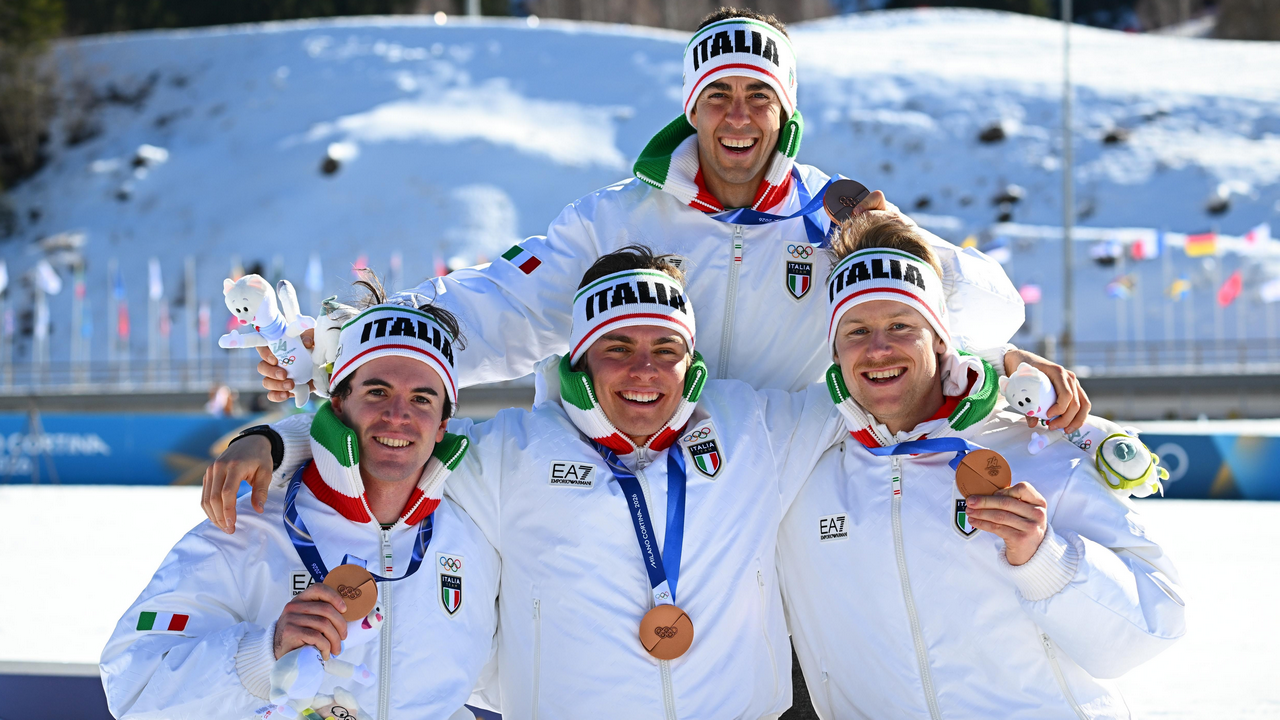
Italy return to the Olympic podium after 20 years: Azzurri claim relay bronze in Val di Fiemme
- CROSS-COUNTRY SKIING
Italy’s men once again secure an Olympic relay podium place. At Lago di Tesero in Val di Fiemme, the quartet made up (in order of appearance) of Davide Graz (classic technique), Elia Barp (classic technique), Martino Carollo (free technique) and Federico Pellegrino (free technique) captured bronze over the new 4x7.5km (C/F) distance. It is the sixth men’s team medal in Italian Olympic history (photo Gianpalo Piazzi/CONI), marking a return to the top three in this discipline after a 20-year wait, following two golds (Lillehammer 1994–Turin 2006) and three silvers (Albertville 1992–Nagano 1998–Salt Lake City 2002). On all five previous occasions the longer 4x10km format was contested.
There were embraces, emotion and tears at the finish line, particularly for Pellegrino, one of Italy Team’s two flag bearers at the Opening Ceremony at San Siro Stadium alongside short track skater Arianna Fontana, and competing in what represents his fourth and final Olympic Games. For the 35-year-old from the Aosta Valley it is also the third consecutive Olympic medal of his career (his first in a team event), following individual silvers at PyeongChang 2018 (classic sprint) and Beijing 2022 (free sprint). It is Italy’s 19th medal (six golds, three silvers and 10 bronzes) at Milano Cortina 2026, leaving the Azzurri just one short of the historic record of 20 set 32 years ago at Lillehammer 1994.
Graz produced an excellent opening leg, lying third behind Norway and the United States. Barp’s section was slightly less incisive but he still completed his stint in the top three, again behind Norway and Finland. The baton then passed to Carollo (fourth, behind Norway, France and Finland), with Pellegrino taking over 21 seconds adrift of the leading trio. Yet the Nus star produced a sensational comeback, already closing on Finland’s Niko Anttola at 26.2km before decisively powering past him on the final climb.
Victory went to Norway’s seemingly invincible quartet of Emil Iversen, Martin Løwstrøm Nyenget, Einar Hedegart and Johannes Høsflot Klæbo, who eased to gold in 1:04:24.5. France, represented by Théo Schely, Hugo Lapalus, Mathis Desloges and Victor Lovera, claimed silver at +22.2, while Italy, finishing 47.9 seconds off the pace, secured bronze and comfortably won the sprint for third ahead of Finland’s Lauri Vuorinen, Ivo Niskanen, Arsi Ruuskanen and the aforementioned Anttola (fourth at +57.1).
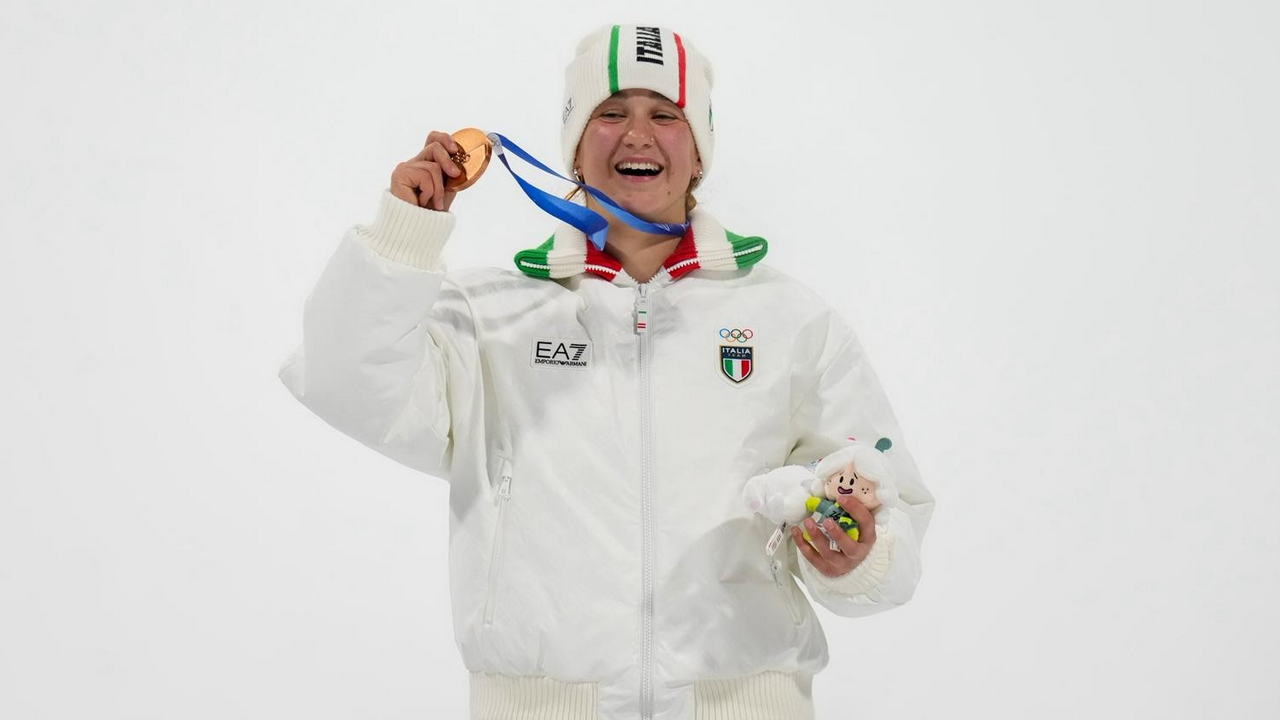
Big Air: Flora Tabanelli produces heroics to claim historic bronze in Livigno
- FREESTYLE
A remarkable feat under the floodlights of Livigno Snow Park. Just over three months after suffering an anterior cruciate ligament injury in Stubai, 18-year-old Flora Tabanelli claimed a sensational bronze in big air at Milano Cortina 2026.
Olympic Youth champion at Gangwon 2024 and reigning world champion and World Cup crystal globe holder in the discipline, Tabanelli becomes the first Italian freestyle skier — male or female — to reach an Olympic podium. Competing at her first senior Olympic Games, she delivers Italy’s 23rd medal (eight golds, four silvers and 11 bronzes), with six days of competition still remaining.
She qualified sixth with 161.50 points, then in the final — delayed over an hour due to wind and snowfall — scored 90.00 on her opening trick and 94.25 on her third run, combined with 84.00 from her second attempt for a total of 178.25. Only Canada’s Megan Oldham (180.75) and China’s Ailing Eileen Gu (179.00) finished higher. Fellow Italian Maria Gasslitter placed ninth with 159.25, capping another excellent performance in her debut senior season.
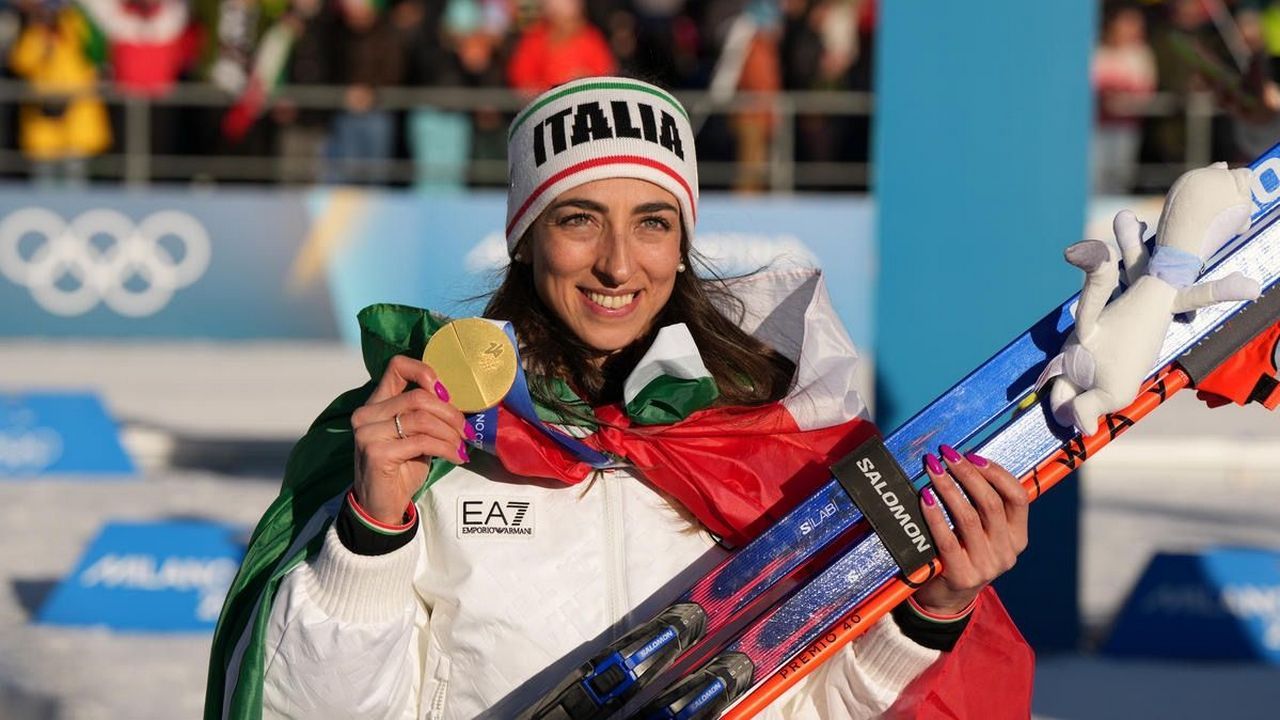
Pursuit: Lisa Vittozzi wins 10km and delivers Italy’s first Olympic gold in the sport
- BIATHLON
The sky is Azzurro over Antholz. A monumental Lisa Vittozzi wins the women’s pursuit, delivering Italy’s first-ever Olympic biathlon gold, individual or team.
For the Sappada-born champion — who claimed relay silver a week ago in the mixed 4x6km — it is her first individual Olympic podium, having previously won bronze in the mixed relay at PyeongChang 2018.
Vittozzi becomes only the second Italian to achieve an Olympic biathlon podium after Dorothea Wierer (bronze at Beijing 2022), and secures Italy’s 22nd medal and eighth gold at Milano Cortina 2026, surpassing the seven-gold record set at Lillehammer 1994.
The 31-year-old (photo ANSA), fifth in the sprint 24 hours earlier, was flawless on the range (20/20) and stormed to victory in 30:11.8. The decisive moment came in the final standing shoot, where she outclassed Norway’s Maren Kirkeeide (silver at +28.8). Finland’s Suvi Minkkinen (+34.3) took bronze. Dorothea Wierer finished ninth (+1:30.3), Hannah Auchentaller 26th and Michela Carrara 36th.
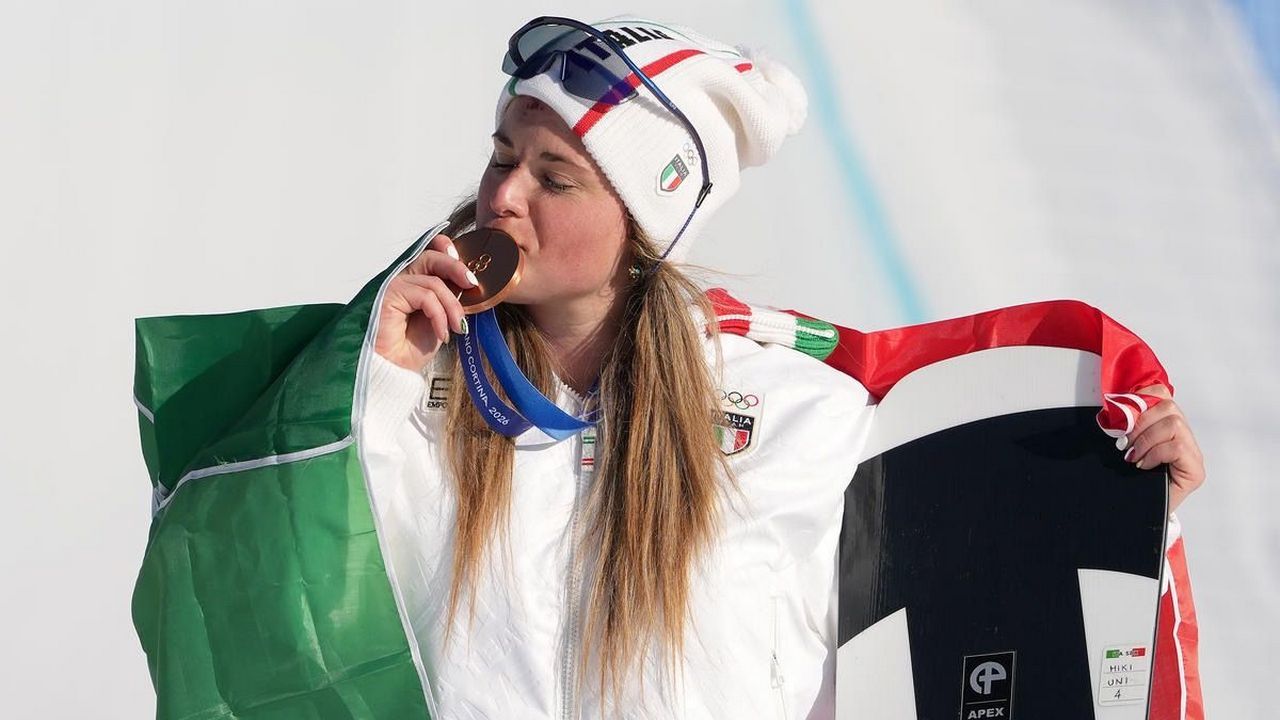
Cross: Michela Moioli claims bronze in Livigno and secures a third consecutive Olympic podium
- SNOWBOARD
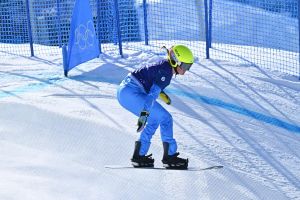
Gold, silver and now bronze. Michela Moioli collects the final medal missing from her magnificent Olympic haul. After her individual triumph at PyeongChang 2018 and the runners-up finish in the mixed team event at Beijing 2022 alongside Omar Visintin, the Lombardy star climbed onto the third step of the podium in the women’s snowboard cross at Milano Cortina 2026 on the Livigno Snow Park course, delivering the 18th medal of these Games for the Italia Team, one more than four years ago in China (the second most prolific edition in the nation’s history) and two fewer than the record-breaking campaign at Lillehammer 1994.
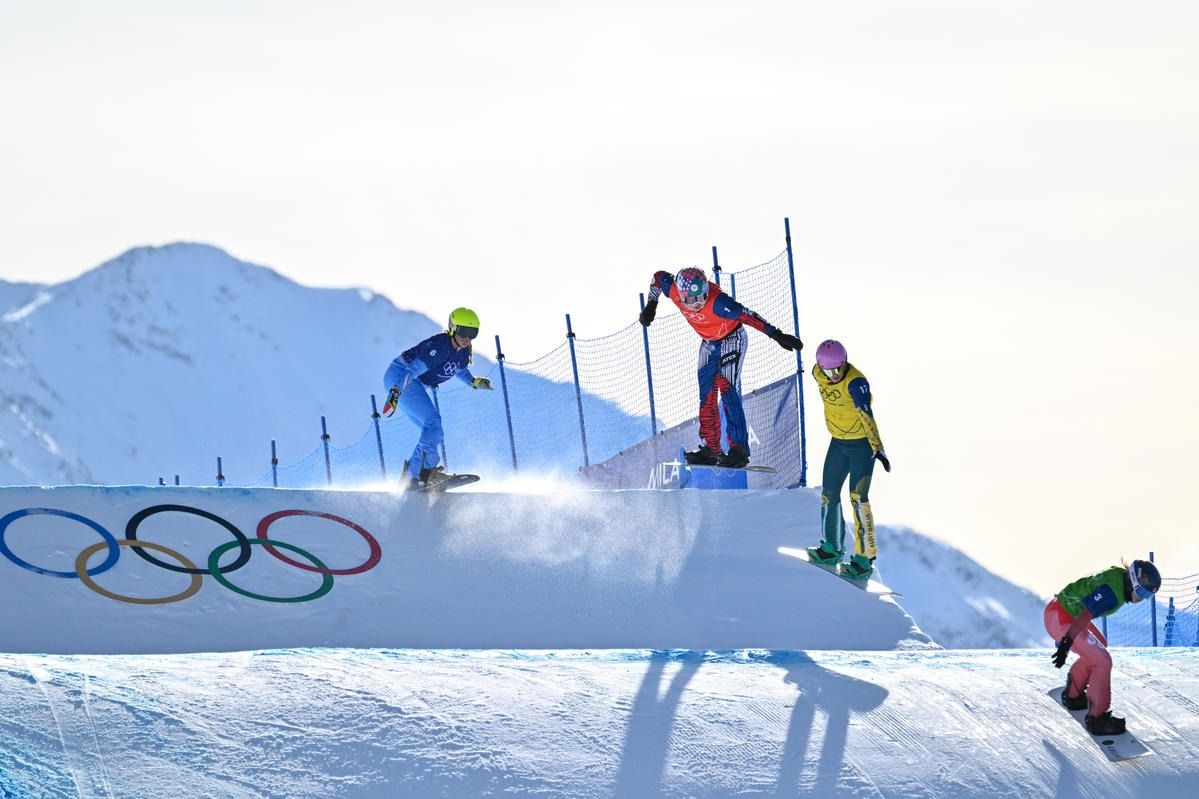
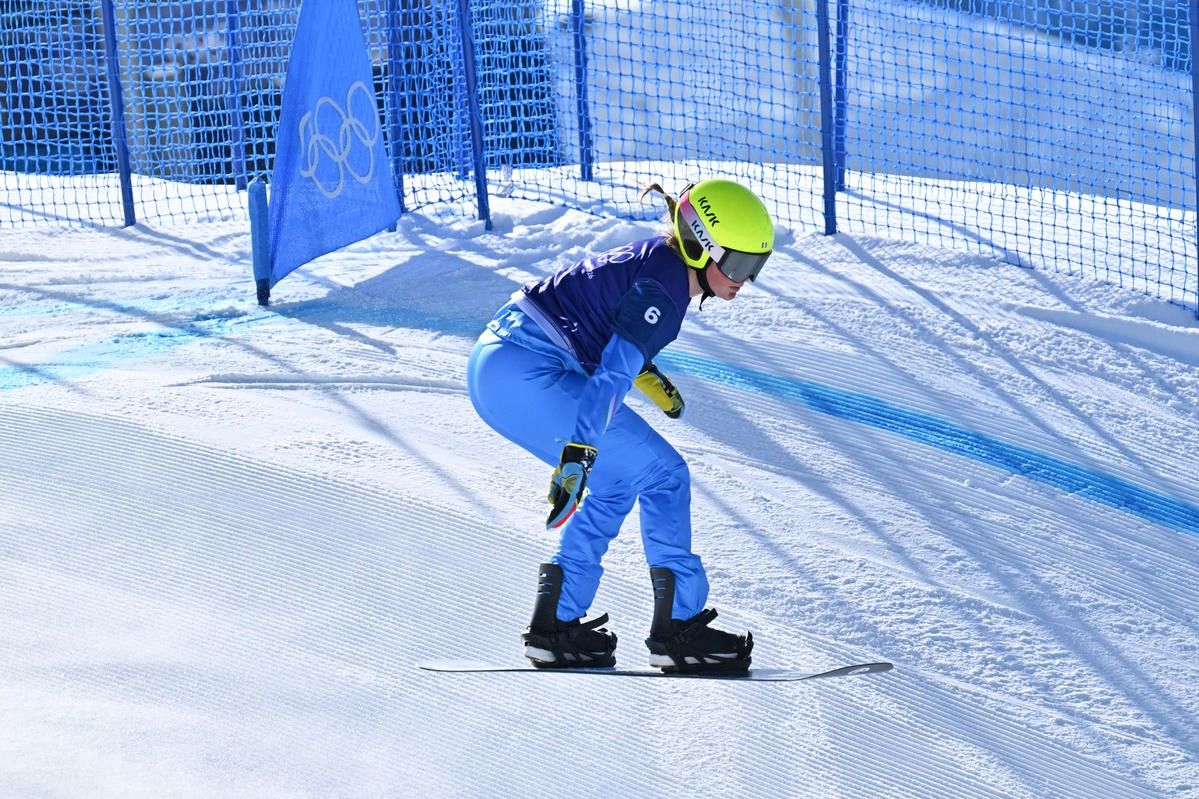
After finishing sixth in the seeding round, Moioli (photo Luca Pagliaricci/CONI) dominated her heat in the round of 16 and repeated the feat in the quarter-finals, before producing a remarkable comeback in the second semi-final, crossing the line in first place after a subdued start. Another fightback was required in the Big Final: Moioli overtook Switzerland’s Noemie Wiedmer but was unable to find a way past Australia’s Josie Baff (gold) and the Czech Republic’s Eva Adamczykova (silver). It marks the seventh Olympic medal in the history of Italian snowboarding and the fourth in snowboard cross. The other two Italian riders failed to reach the semi-finals: Sofia Groblechner exited in the quarter-finals, while Lisa Francesia Boirai went no further than the round of 16.
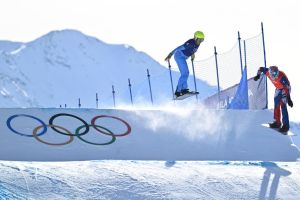
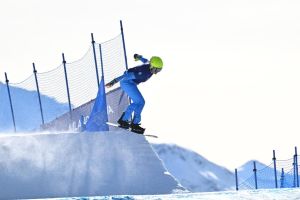
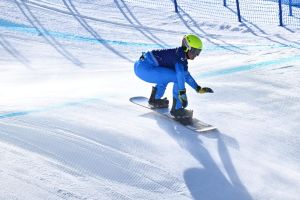
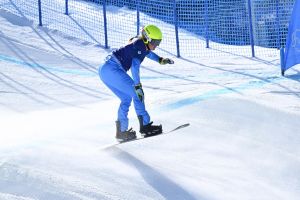
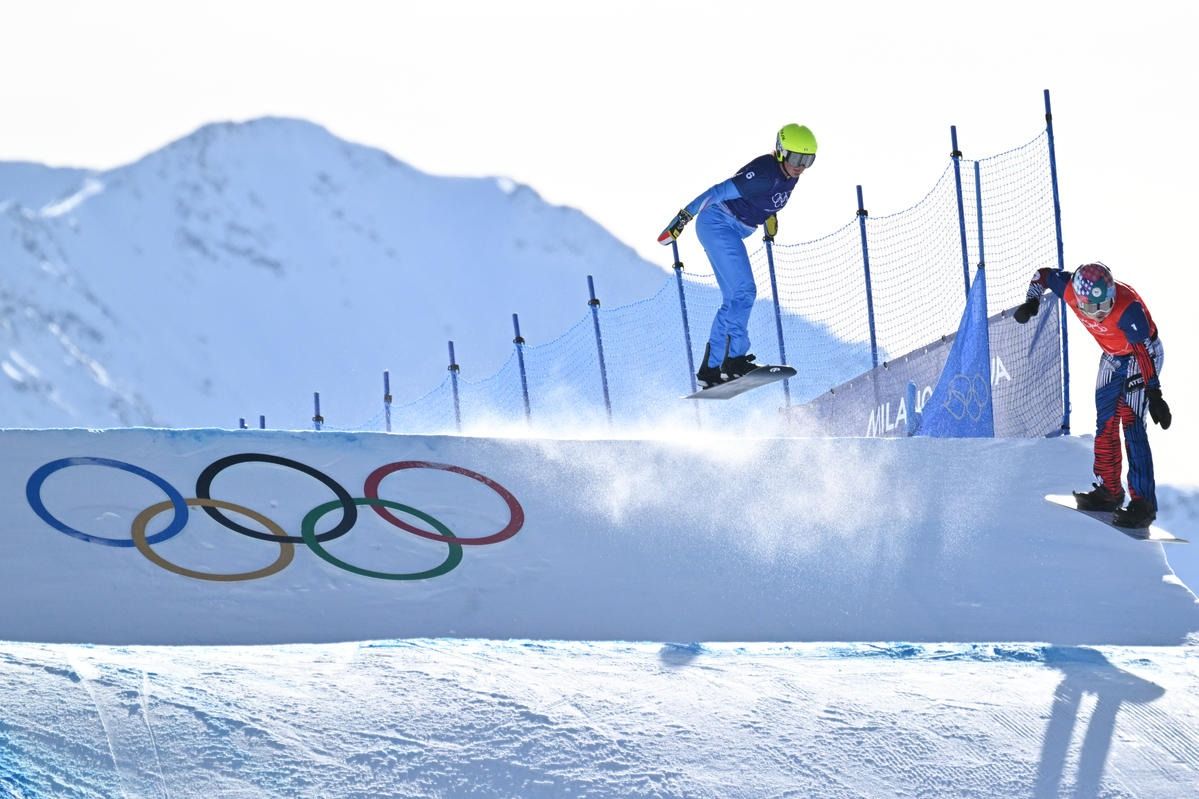
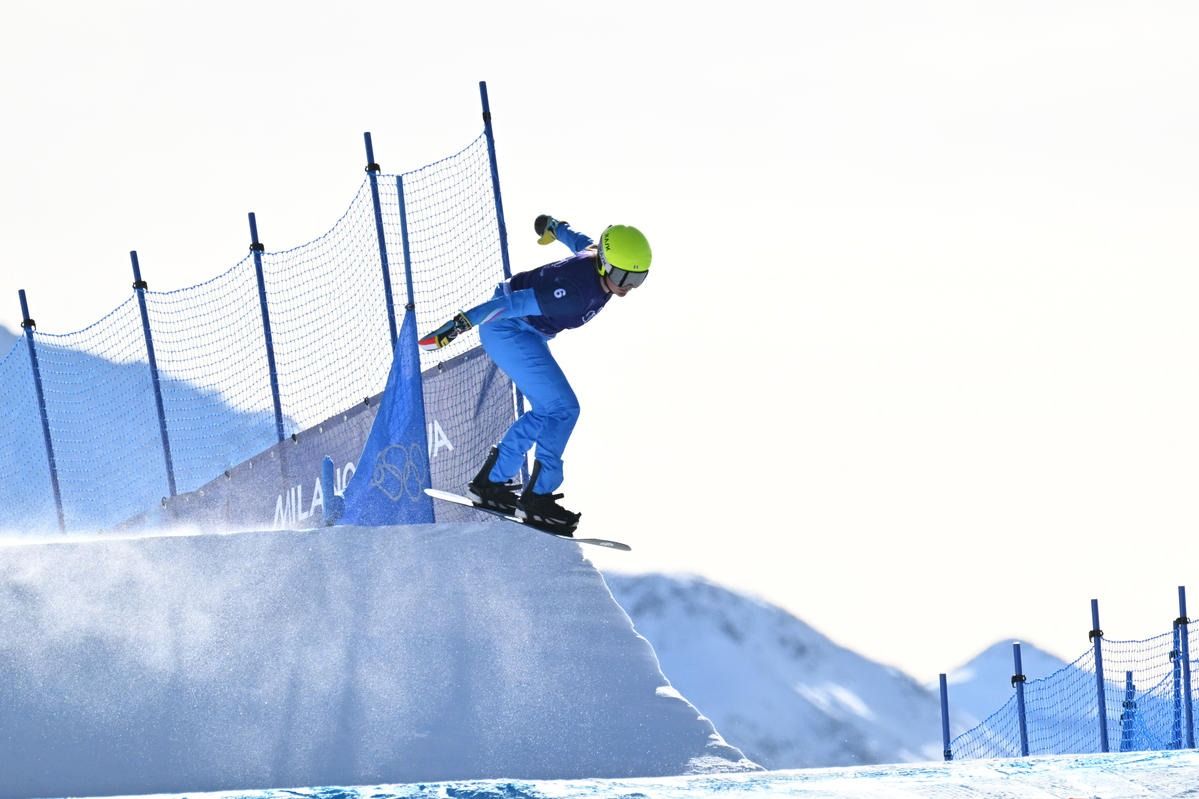
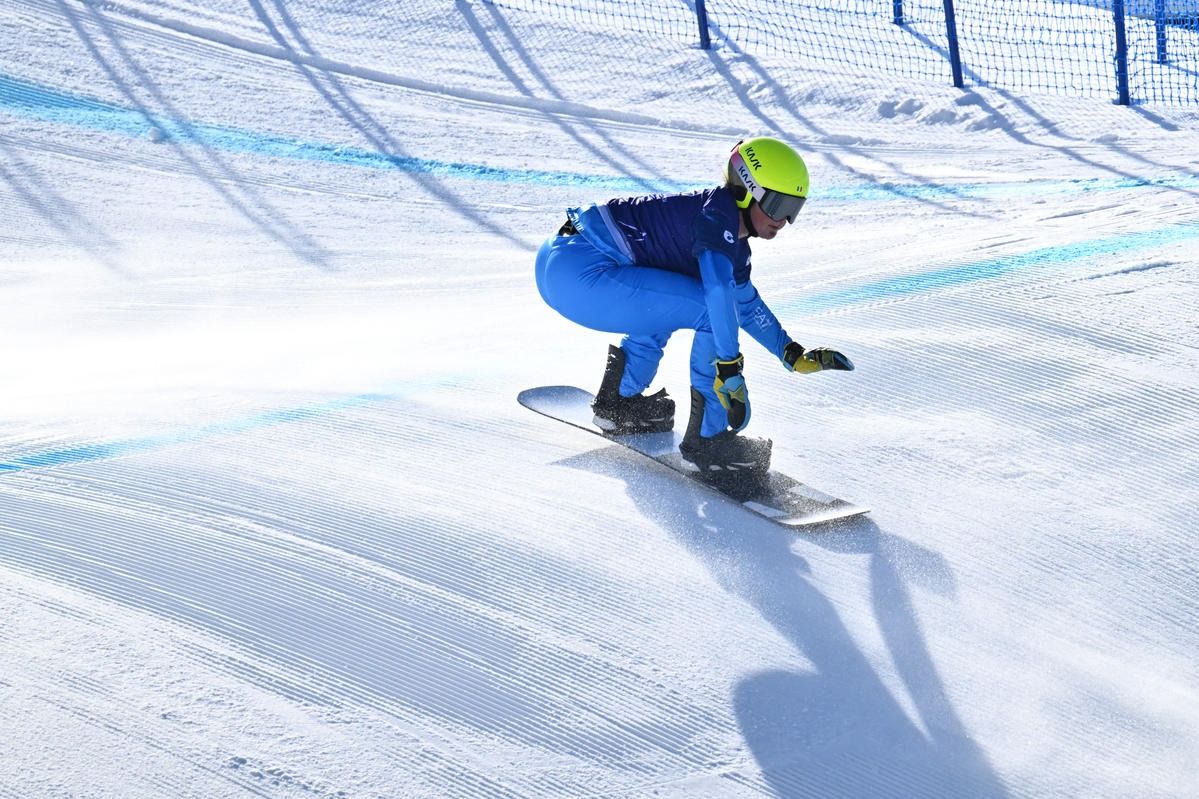
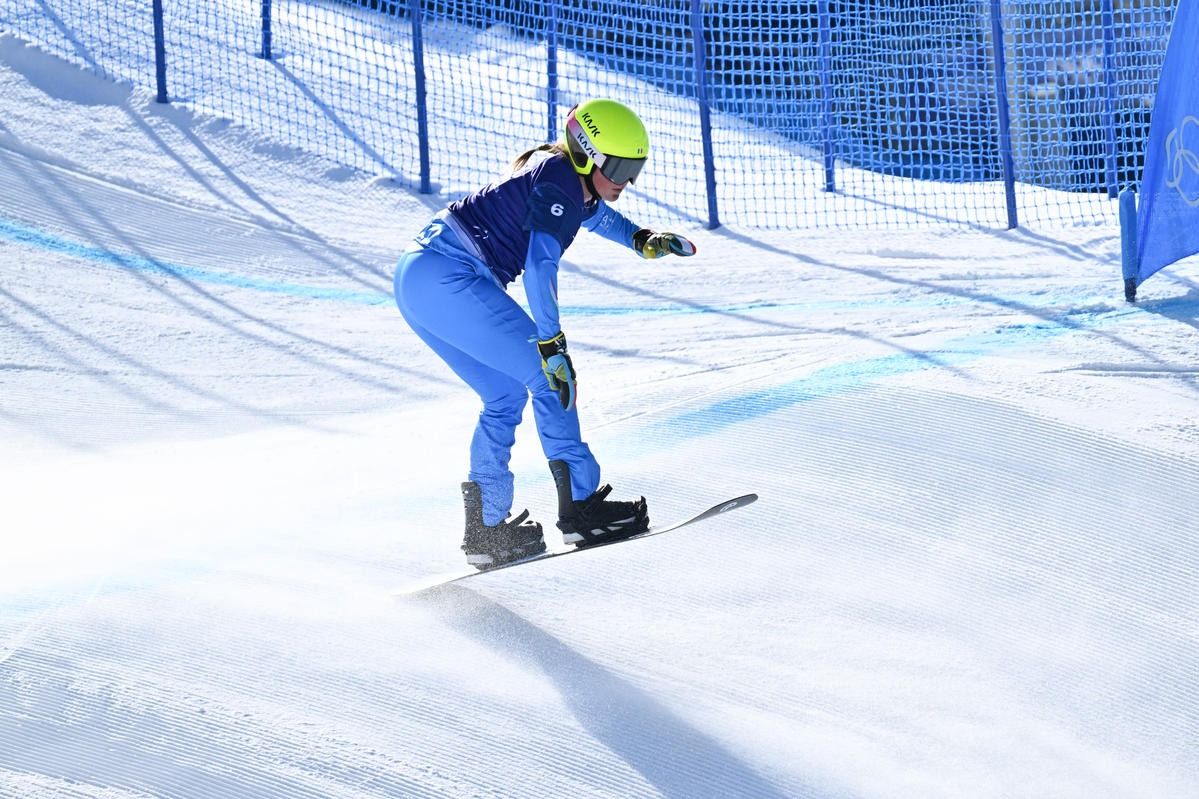
Infinite Michela Moioli: Italian bronze medallist in snowboard cross in Livigno


Francesca Lollobrigida triumphs again in the 5,000 metres: historic Olympic golden double in Milano Cortina
- SPEED SKATING
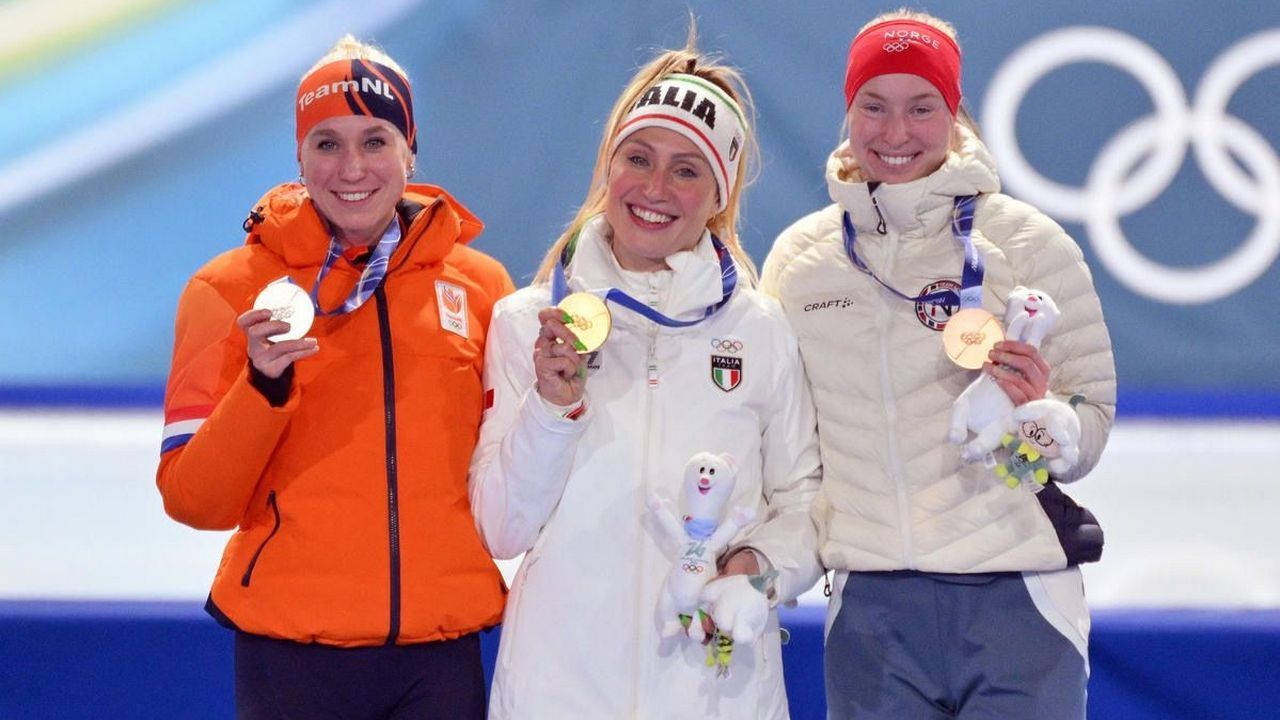
Francesca Lollobrigida completed a golden double at the Milano Cortina 2026 Olympic Games and flew ever deeper into history. Just five days after her magical success in the 3,000 metres, sealed with an Olympic record, the speed skater from Frascati left all her rivals behind once again in the longer 5,000-metre event, a distance in which she holds the world title thanks to her victory at last March’s World Championships in Hamar, Norway. With powerful, flowing strides, the newly-turned 35-year-old from Lazio skated towards legend, becoming the first Italian in the discipline — female or male — ever to win two individual Olympic events. For the Italia Team it was the 15th medal of these Winter Games, the sixth gold (one short of Italy’s Winter Olympic record set at Lillehammer 1994).
Drawn in the sixth and final pairing alongside two-time Olympic champion Martina Sáblíková of the Czech Republic, the Italian veteran once again dominated the field on the ice of the Milano Ice Park. Attacking from the very first lap, Lollobrigida (photo Ferdinando Mezzelani/CONI) delivered a stirring performance and, despite the inevitable physical fatigue in the closing bends, showed the resilience of a champion to clock the fastest time, crossing the line first with a new personal best of 6:46.17.
None of her rivals could respond, with Dutch skater Merel Conijn taking silver at +0.10, Norway’s Ragne Wiklund claiming bronze at +0.17 and Belgium’s Sandrine Tas finishing fourth at +0.30, all separated by mere hundredths of a second from the Italian’s winning time. The victory added a fourth Olympic podium to her already glittering career, following her silver and bronze medals in the 3,000 metres and the mass start at Beijing 2022. (agc)
Fontana wins 500m silver for 13th Olympic medal: Mangiarotti’s record equalled
- SHORT TRACK
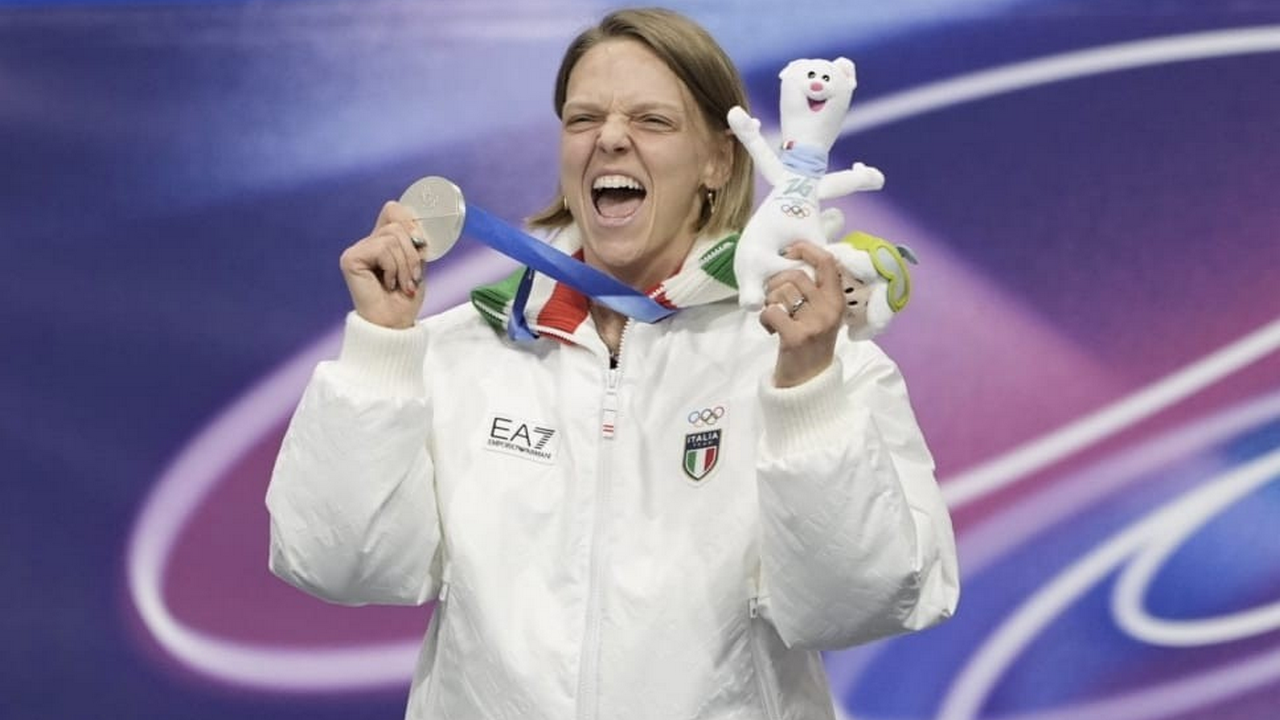
Arianna Fontana skated swiftly into legend. On the opening evening of individual short track finals at the Milano Cortina 2026 Games, two days after leading Italy’s mixed relay to gold, the 35-year-old from Valtellina secured silver in the women’s 500 metres, a distance in which she now boasts five consecutive Olympic podiums following bronze at Vancouver 2010, silver at Sochi 2014 and golds at PyeongChang 2018 and Beijing 2022.
For the Italian champion, however, this was above all her 13th career Olympic medal (seventh individual), the one that allowed her to take another step into Italian sporting history by equalling the record of fencer Edoardo Mangiarotti, until tonight the sole holder of the title of Italy’s most decorated athlete of all time (six golds, five silvers and two bronzes), including Summer Games. The Italia Team also celebrated its 17th medal of these Games (six golds, three silvers and eight bronzes), matching the tally achieved four years ago at Beijing 2022, Italy’s second most prolific Winter Olympic campaign.
Fontana (photo Claudio Scaccini/CONI), runner-up in her fourth heat, pushed hard from the start in both the first quarter-final and the first semi-final, finishing behind Dutch skater Xandra Velzeboer on both occasions, the latter first setting an Olympic record (41.583) and then a world record (41.399). The script remained unchanged in the A final, with the Italian veteran (42.294) initially glued to the line of Velzeboer (gold in 41.609), before skilfully fending off late attacks from Canada’s Courtney Sarault (42.427) and fellow Dutch skater Selma Poutsma (42.491), who had to settle for bronze and fourth place respectively. The top five was completed by another North American, Kim Boutin (fifth in 44.347), while Chiara Betti, the other Italian entered over the distance, was eliminated in the quarter-finals.
All three Italian skaters in the men’s 1,000 metres were also eliminated at the quarter-final stage: Thomas Nadalini, Luca Spechenhauser and Pietro Sighel. Particular regret surrounded the latter, winner of his heat but subsequently disqualified by the race referee for an irregular move against Poland’s Michal Niewinski, who later fell following contact with the skates of the Trentino star. (agc)
Page 11 of 146