Mondiali Artistica: azzurre quinte, secondo miglior risultato di sempre
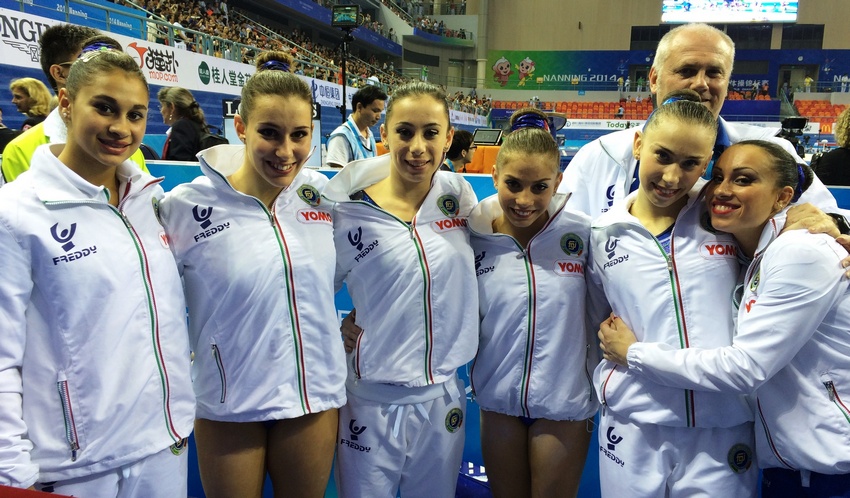 L’Italdonne nella finale del Concorso a Squadre Femminile ai Campionati del Mondo di Ginnastica Artistica di Nanning malgrado qualche imprecisione negli esercizi, conferma, la quinta posizione con il totale di 169.023 ed ottiene il secondo risultato di sempre in un Mondiale dopo il 4° posto a Stoccarda nel 2007. La squadra composta dalle atlete dell’Esercito Italiano Vanessa Ferrari, Erika Fasana, Giorgia Campana e da Martina Rizzelli (Brixia Brescia), Lara Mori (Giglio Montevarchi), Lavinia Marongiu (La Fenice) e dalla riserva Elisa Meneghini (Gal Lissone) è stata preceduta da Stati Uniti che hanno conservato il primo posto mondiale vinto a Tokyo 2011 con 179.280, Cina (172.587) medaglia d’argento, Russia (171,462) bronzo, Romania (170,963) quarta.
Alle spalle delle azzurre guidate dal DTN Enrico Casella e dai tecnici federali Stefania Bucci, Mauro Di Rienzo, Laura Rizzoli e Claudia Ferrè, troviamo la Gran Bretagna (168.495) che agli Europei di Sofia aveva brillato d’argento, l’Australia (165.988) e il Giappone (165.422). “Ho avvertito un po’ di fatica all’inizio – ci svela una Vanessa Ferrari contenta dopo aver trascinato l’Italia all’ennesima impresa - perché mi sentivo ancora stanca per la qualificazione di lunedì. Le gambe erano deboli ma prima di entrare in campo gara ho fatto fiato e già dopo la trave mi sono sentita meglio. Infatti poi è andata via liscia. Se avessi una parallela più decente potrei ancora giocarmi una medaglia nell’all-around, invece adesso dovremo fare delle valutazioni, perché 12 esercizi in una settimana sono tanti. E il 13°, la finale al corpo libero, è quello più importante. Voglio arrivare a domenica nelle condizioni per dare il meglio. Salirò in pedana per me stessa, per divertirmi e, soprattutto, per dimostrare che non sono da meno di americane, russe e rumene”. Domani inizia il programma individuale con la Finale a 24 maschile (diretta Rai Sport 2 dalle 13.00 alle 16.00) e il bustese Ludovico Edalli, qualificatosi con l’ultimo punteggio utile.
CLASSIFICA FINALE
1. Stati Uniti 179.280
2. Cina 172.587
3. Russia 171.462
4. Romania 170.963
5. Italia 169.023
6. Gran Bretagna 168.495
7. Australia 165.988
8. Giappone 165.422
LE QUATTRO ROTAZIONI AZZURRE
TRAVE 41.066 (6)
Lavinia Marongiu 13.833
Giorgia Campana 12.933
Vanessa Ferrari 14.300
CORPO LIBERO 42.666 (2)
Lara Mori 13.800
Vanessa Ferrari 14.666
Erika Fasana 14.200
VOLTEGGIO 43.900 (2)
Martina Rizzelli 14.100
Vanessa Ferrari 14.900
Erika Fasana 14.900
PARALLELE ASIMMETRICHE 41.391 (6)
Giorgia Campana 13.500
Lara Mori 13.825
Vanessa Ferrari 14.066
La Procura deferisce e chiede 14 mesi per Matteo Fabi Cannella, 6 anni e 6 mesi per Danilo Chiodi (FIGC). Proposti 2 anni e 6 mesi per Vittorio Iosca (FCI)
 L’Ufficio Procura Antidoping ha disposto i seguenti provvedimenti:
Deferimento dell’atleta Matteo Fabi Cannella (tesserato FIGC) alla Prima Sezione del Tribunale Nazionale Antidoping del CONI per la violazione dell’art. 2.4. del Codice WADA in relazione alla verbalizzazione, in un arco di tempo compreso in 18 (diciotto) mesi, di n. 3 (tre) Inadempienze connesse alle Informazioni sul luogo di permanenza degli atleti (whereabouts) riconducibili a due “Mancati controlli “ ed una “Mancata comunicazione” con richiesta di un anno e due mesi di squalifica.
Deferimento del sig. Danilo Chiodi (tesserato FIGC) alla Prima Sezione del Tribunale Nazionale Antidoping del CONI per il riconoscimento della responsabilità in ordine alla violazione degli artt. 2.8. e 3.2. delle NSA sulla base degli atti trasmessi dalla Procura della Repubblica di Rimini con richiesta di squalifica per 6 anni e 6 mesi;
Deferimento dell’atleta Vittorio Iosca (tesserato FCI) alla Prima Sezione del Tribunale Nazionale Antidoping del CONI per violazione dell’art. 2.1. delle NSA per la positività per presenza di Benzoilecgonina metabolita e Testosterone e suoi metaboliti di origine non endogena riscontrata in occasione del controllo antidoping disposto dalla Commissione Ministeriale ex lege 376/2000 al termine della gara CSAIN “Trofeo Bar Poli” svoltasi a Sermoneta in data 19 giugno 2014 con richiesta di squalifica per 2 anni e 6 mesi.
Presentato il Trofeo CONI, giovedì il via a Caserta
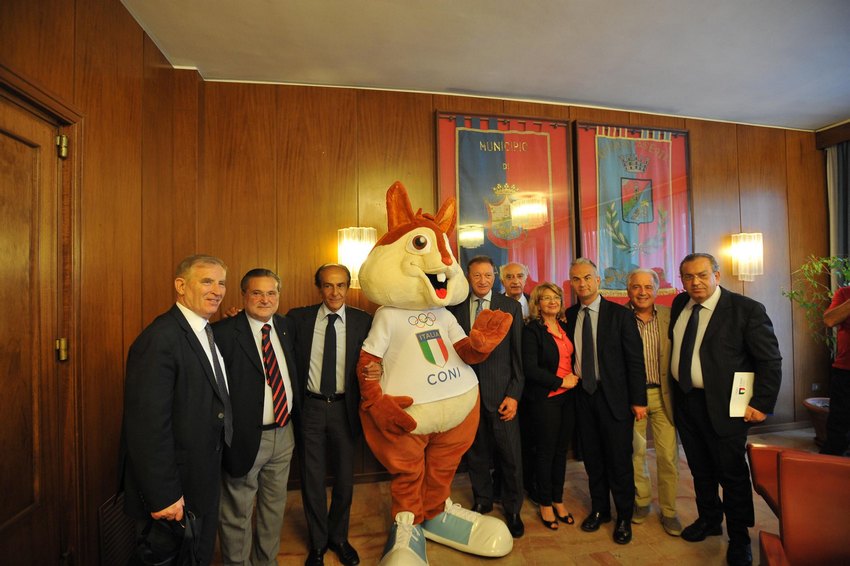 E' stato presentato oggi, nella sede del Comune di Caserta, il programma della prima edizione sperimentale del Trofeo CONI, la kermesse riservata agli atleti under 14 che, in rappresentanza delle varie Regioni, prenderanno parte alle gare in 30 diverse specialità negli impianti e nelle aree all’aperto della città e dell’hinterland. Con loro i tecnici e gli accompagnatori che, per quattro giorni, occuperanno l’intera struttura ricettiva a Caserta e nei comuni limitrofi, apportando con la loro presenza significativi benefici all’economia legata al turismo ed al commercio e determinando anche positivi contraccolpi all’immagine del territorio, grazie alla visita prevista ai beni culturali, in primo luogo la Reggia.
"Caserta sarà il laboratorio per collaudare la validità della formula - evidenzia il Vicepresidente Nazionale del CONI Luciano Buonfiglio - che raccoglie tantissimi giovani impegnati anche in discipline poco note al grande pubblico, a conferma dell’intento promozionale dell’evento". "Siamo felici di aver ospitato in Campania la grande rassegna giovanile - aggiunge il Presidente del CONI Campania Cosimo Sibilia -; oltre a Caserta, che diventa la capitale dello sport italiano per alcuni giorni, saranno impegnati anche impianti in provincia di Napoli, soprattutto quelli relativi agli sport nautici".
"Il Trofeo CONI significa un ritorno alla base nel segno della modernità e con una nuova valorizzazione del territorio – ribadisce il componente della Giunta Nazionale del CONI Guglielmo Talento- ; siamo convinti che dalla periferia scaturisca il successo di tutto il movimento sportivo, nel recupero dello spirito di fare squadra”. Felice il sindaco di Caserta Pio Del Gaudio: "lo sport è una delle realtà positive della nostra città e rappresenta anche un significativo traino nei confronti di altri comparti come l’economia, l’immagine, i momenti di aggregazione dei giovani". Analoghi concetti hanno ribadito l’Assessore allo Sport della Provincia, Gabriella D’Ambrosio (“un grande evento che coinvolge larga parte del nostro territorio, da sempre votato all’ospitalità e ai grandi eventi sportivi”) e la commissaria dell’Ept Lucia Ranucci ("una grande opportunità per l’industria turistica e per l’immagine del nostro territorio").
Il grande evento avrà inizio giovedì 9 con l’inaugurazione alle 16.30 del Villaggio dello Sport nel giardino Flora e, a seguire, prevede la visita alla mostra “I 100 anni del CONI” nel Museo delle Cavallerizze, per concludersi alle 19 con la spettacolare cerimonia di apertura in piazza Carlo 3° di fronte la Reggia, ripresa dalla emittente Sky. Venerdì 10 e sabato 11, dalle 10 alle 18, si svolgeranno le gare, ospitate negli impianti sportivi di Caserta, San Nicola la Strada, Casagiove, Marcianise, Capua, S. Maria C.V., Castelvolturno e per gli sport acquatici negli impianti specifici a Napoli, Bacoli e Lago Patria.
Durante i quattro giorni dell'evento convergeranno a Caserta i massimi dirigenti dell’Ente, guidati dal Presidente Malagò, che sarà impegnato in una serie di incontri istituzionali con la Consulta dei Presidenti regionali. Attesi anche il Segretario Generale Roberto Fabbricini, numerosi componenti della Giunta Nazionale e Presidenti delle Federazioni. Nel corso della conferenza stampa è stata presentata la mascotte appositamente realizzata per l’evento, raffigurante un sorridente scoiattolo cui è stato imposto il nome di “Nico”, anagrammando, appunto, il termine CONI. La complessa organizzazione dell’evento vede impegnato lo staff del Coni Caserta, guidato dal delegato Michele De Simone con la collaborazione dei dirigenti Geppino Bonacci e Giuliano Petrungaro, e quello dell’Assessorato allo Sport del Comune, coordinato dall’assessore Stefano Mariano.
Mondiali artistica: L'Italdonne parte 5ª. Ferrari e Fasana in finale All-around e Corpo Libero
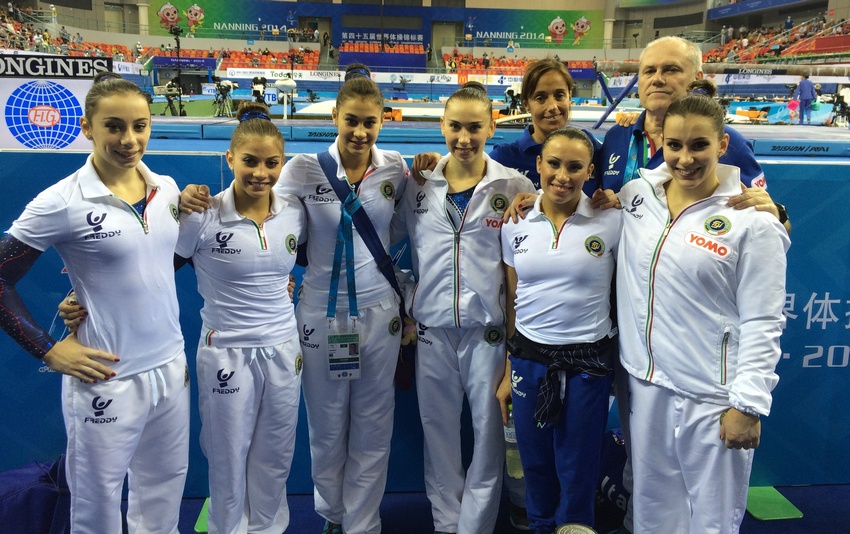 La Squadra Italiana di Ginnastica Artistica Femminile, inserita nella nona delle dodici suddivisioni del Mondiale di Nanning, conclude il concorso di qualificazione con il punteggio complessivo di 222.459 e un ottimo 5° posto assoluto alle spalle di Stati Uniti, Cina, Russia e Gran Bretagna e davanti a Giappone, Romania e Australia. Vanessa Ferrari e Giorgia Campana (Esercito Italiano), Martina Rizzelli ed Erika Fasana (Brixia Brescia), Lavinia Marongiu (La Fenice 1999), Lara Mori (Giglio Montevarchi) e la riserva Elisa Meneghini (GAL Lissone) – seguite dal DTN Enrico Casella e dai tecnici Mauro Di Rienzo, Laura Rizzoli, Stefania Bucci e Claudia Ferré - non solo centrano l’obiettivo minimo dell’ammissione ai Campionati del Mondo di Glasgow 2015, qualificanti per i Giochi di Rio, ma torneranno in pedana dopo domani, mercoledì 8 ottobre (Diretta Rai Sport 2 dalle 13.00 alle 15.30), per la finale a squadre tra le migliori otto Nazionali del pianeta.
La Ferrari, protagonista di una prestazione straordinaria, con margini di miglioramento ancora sensibili, si qualifica anche nell’All-around di venerdì 10 (Diretta Rai Sport 2 a partire delle 13.30) con il 7° totale (57.231) – in realtà il 6° togliendo la terza statunitense – a poco più di un punto dal podio. Al comando la campionessa uscente, Simone Biles, inarrivabile a quota 59.599, seguita dalla russa Mustafina (58.874) e dalla rumena Iordache (58.364). Con la leonessa bresciana si ritagliata un posto tra le 24 anche la Fasana, che, malgrado una caduta in uscita alla trave, mette insieme 55.398 punti, buoni per la 15^ piazza. Le due ginnaste brixiane, entrambe protagoniste di due doppi avvitamenti al volteggio da top player, si ritroveranno anche nella finale al corpo libero di domenica 12 ottobre (Diretta Rai Sport 2 dalle 7.00 alle 10.40 italiane).
Il Caporal Maggiore del Centro Sportivo della Cecchignola, vice campionessa mondiale e oro continentale, senza spingere al massimo, è al 4° posto con 15.566, dietro, nell’ordine, la Biles (15.366), la Iordache (14.933) e la Skinner (14.700), ad un decimo e spiccioli dalla zona medaglia. Erika, cresciuta dalla Rizzoli nella fucina comasca della Polisportiva Fino Mornasco del Presidente Arduino Francescucci, strappa invece il settimo pass con un parziale (14.233) che senza un passetto sul doppio carpio finale poteva essere più alto.
CLASSIFICA DELLE PRIME 8 SQUADRE QUALIFICATE
1 United States of America USA 235.038
2 People's Republic of China CHN 230.753
3 Russian Federation RUS 228.135
4 Great Britain – GBR 224.596
5 Italy – ITA 222.459
6 Japan – JPN 221.360
7 Romania - ROU 219.161
8 Australia AUS 218.134
FINALISTE CORPO LIBERO
1 BILES Simone USA 15.366
2 IORDACHE Larisa ROU 14.933
3 SKINNER Mykayla USA 14.700
4 FERRARI Vanessa ITA 14.566
5 MUSTAFINA Aliya RUS 14.500
6 FRAGAPANE Claudia GBR 14.400
7 FASANA Erika ITA 14.233
8 MILLER Larissa AUS 14.166
Mondiali, azzurre inarrestabili: 3-0 anche alla Croazia
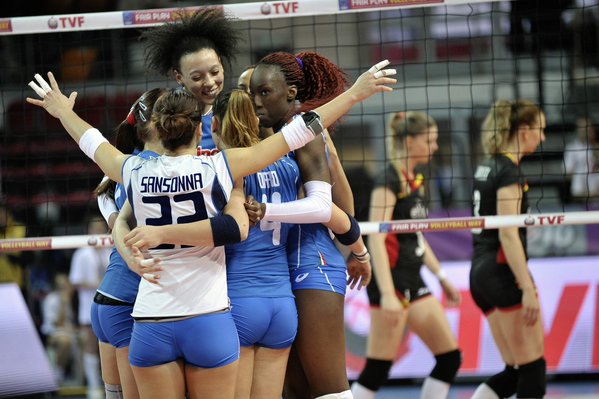 La Nazionale femminile di pallavolo ha battuto la Croazia 3-0 (26-24, 25-15, 25-11) nella seconda partita del girone A dei Mondiali, disputata a Roma. Per la squadra di Bonitta si tratta della seconda vittoria consecutiva dopo il 3-0 inflitto nella gara di esordio alla Tunisia. Le azzurre, che domani sfideranno l'Argentina (battuta oggi 3-0 dalla Repubblica Dominicana), rimangono a punteggio pieno in vetta al girone.
Troppo grande la differenza di valori tra le due squadre. Bonitta ha mandato in campo lo stesso sestetto della gara inaugurale, con l'unica eccezione del cambio in regia: Eleonora Lo Bianco ha preso il posto di Francesca Ferretti che oggi si è accomodata in tribuna. Il match ha fatto vedere l'importanza di avere una panchina lunga e di qualità come quella azzurra. Le azzurre sono partite bene nel primo set, anche se non scioltissime, poi hanno iniziato a subire il muro della "vecchia volpe" Maja Poljak. In vantaggio 14-9, il gioco azzurro si è fermato e la Croazia ne ha approfittato per ribaltare la situazione volando 20-16. Bonitta è corso ai ripari prima facendo il doppio cambio con Signorile e Diouf per Lo Bianco e Centoni, poi inserendo Costagrande per Del Core. La squadra tricolore ha ripreso slancio. ha rimontato si è portata sul 24-22, ha sprecato due set-point, ma ha finito con l'imporsi 26-24, grazie ad un servizio vincente della sua capitana Francesca Piccinini. Dal secondo set l'Italia è tornata padrona assoluta ed ha fatto vedere un bel gioco, sbagliando poco e chiudendo spesso a muro.
Malagò alla presentazione del "Diabete Sport Training"
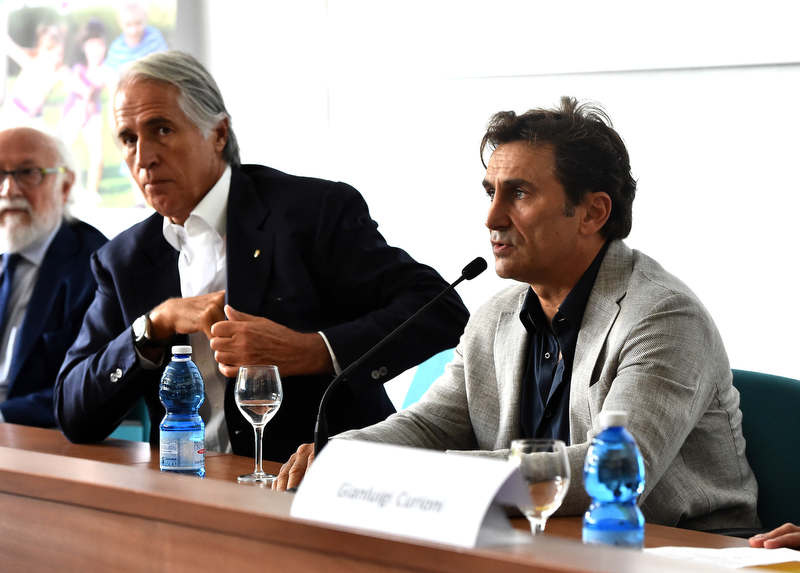 Il Presidente del CONI, Giovanni Malagò, ha partecipato questa mattina alla presentazione dei risultati del progetto “Diabete Sport Training”, nel Centro di Preparazione Olimpica dell’Acqua Acetosa. All’evento erano presenti il Presidente di Fondazione Vodafone Italia, Alex Zanardi, il dottor Gabriele Rosa e il Presidente di AGD Italia, Gianluigi Curioni. L’iniziativa si propone di promuovere lo sport tra i bimbi affetti di diabete di tipo 1, chiamato a garantire una maggiore stabilità delle glicemie ma anche una migliore gestione della malattia, grazie all’adozione di uno stile di vita più sano. Sono stati allestiti 8 campi per 3 giorni, su tutto il territorio nazionale: Catania, Lignano Sabbiadoro (Udine), Pavia, Sorrento (Na), Tirrenia (Pi) mente oggi si è inaugurato il campo di Roma, proprio presso il “Giulio Onesti”. I prossimi appuntamenti saranno Riccione e Orosei.
Al progetto, promosso da Associazione giovani diabeti Italia, in collaborazione con SportCenter e Rosa associati, hanno partecipato fino ad oggi quasi mille bambini e ragazzi tra i 6 e i 30 anni, seguiti sul campo da un'equipe medica formata da circa 200 operatori, diabete logici, nutrizionisti, psicologi, infermieri, medici dello sport e preparatori atletici, grazie al sostegno della Fondazione Vodafone Italia e dei clienti del gestore che hanno supportato l'iniziativa attraverso 'Ricarica insieme', programma con il quale la fondazione si impegna a donare 1 euro per ogni euro donato dai propri clienti, raddoppiando il valore delle donazioni.
"Lo sport non solo è per tutti ma è anche uno strumento formidabile per lenire il disagio sociale", ha sottolineato Alex Zanardi, testimonial e promotore dell'iniziativa.
Il Presidente Malagò ha sottolineato l’importanza dello sport sotto il profilo sociale. “Siamo felici di dare un contributo a questo progetto di fund raising, perché riconosce la valenza del nostro movimento sotto il profilo della collettività, come strumento di benessere e di risparmio sanitario. Bisogna avere il coraggio di investire nello sport e di portare avanti iniziative del genere, per questo faccio i complimenti a Zanardi: mi fa effetto vederlo in questa veste ma sono sicuro che riuscirà a perseguire i suoi obiettivi con la stessa passione che sa mettere in ogni sua attività sportiva. L’8 ottobre ci sarà un convegno al CONI sull’investimento anticiclico: sarà un’occasione per rilanciare i temi che sono alla base anche di Diabete Sport Training”. Il ministro della Salute, Beatrice Lorenzin, ha inviato una lettera ai partecipanti in cui ha evidenziato l'importanza dei benefici dell'attività fisica come arma per combattere il diabete.
Malagò riceve Sara Morganti e Anna Cavallaro, medagliate ai World Equestrian Games
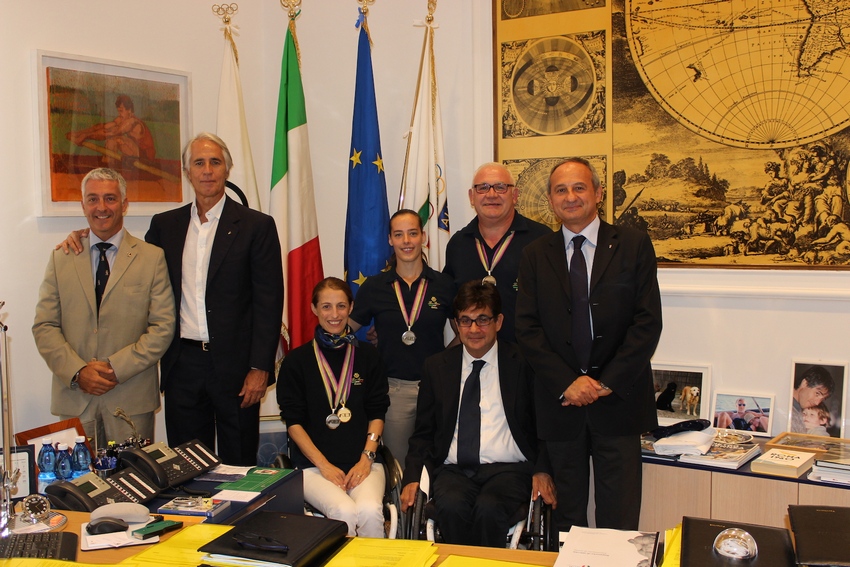 Il Presidente del CONI, Giovanni Malagò, alla presenza del Presidente del Comitato Italiano Paralimpico, Luca Pancalli, ha ricevuto oggi pomeriggio - al Foro Italico - Sara Morganti, oro e argento nel Paradressage, e Anna Cavallaro, argento al volteggio, ai recenti ai World Equestrian Games, disputati in Normandia.
All’incontro hanno presenziato il Commissario Straordinario della FISE, Gianfranco Ravà, il Vice Commissario Max Andrè Barbacini e Nelson Vidoni, allenatore e longeur della Cavallaro.
Malagò ha rivolto alle atlete i complimenti dello sport italiano per i risultati ottenuti e per aver contribuito, attraverso le loro apprezzate gesta, a promuovere la diffusione della disciplina e l’immagine dell’eccellenza del nostro Paese nel mondo.
Presentato "Sport di classe": in tutte le scuole primarie da novembre. Malagò: svolta epocale
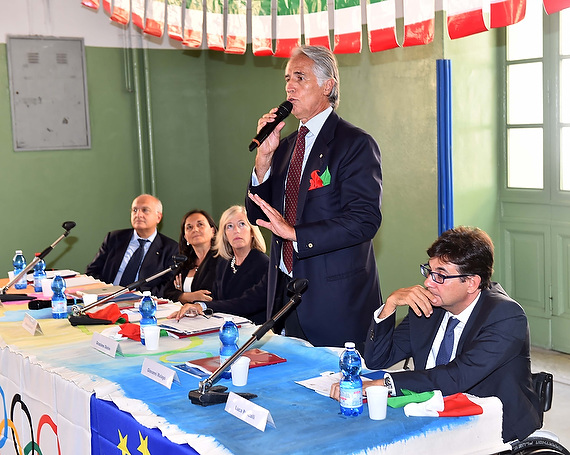 “Sport di classe”, la nuova declinazione dell’educazione fisica all’interno delle scuole. La svolta è stata presentata questa mattina, all’Istituto Comprensivo “Daniele Manin” di Roma, dal Presidente del CONI, Giovanni Malagò e dal Ministro dell’Istruzione, dell’Università e della Ricerca, Stefania Giannini, alla presenza del Sottosegretario alla Presidenza del Consiglio con delega allo Sport, Graziano Delrio, e del Presidente del CIP, Luca Pancalli.
Il Progetto prevede il passaggio da un’ottica di sperimentazione riservata ad un numero ristretto di classi al coinvolgimento di tutte le scuole primarie per l’intero anno scolastico 2014/2015: due ore di educazione fisica settimanali per le classi terza, quarta e quinta, a partire da novembre, grazie all’integrazione delle competenze del MIUR e del CONI all’insegna di una gestione condivisa. Dal 2015 l’offerta sarà ulteriormente arricchita, con la possibilità di estensione alle classi prima e seconda, anche attraverso l’eventuale utilizzo di fondi europei.
L’altra grande novità è rappresentata dall’introduzione del Tutor sportivo all’interno del centro scolastico, figura che svolgerà un ruolo di supporto a tutte le istituzioni scolastiche, svolgendo un ruolo formativo per l’insegnante titolare della classe che gestirà le due ore di educazione fisica. Attenzione particolare sarà riservata agli studenti con disabilità, grazie al contributo del CIP, presente con i suoi rappresentanti in tutti gli organismi di gestione delle attività. Il fattore di continuità con il piano “La buona scuola” è rappresentato dalla formazione di tutti i docenti coinvolti a cura di MIUR, CONI e CIP.
Nell’ambito di “Sport di Classe”, cambia anche la filosofia dei giochi sportivi: si faranno anche alla primaria ma con spirito innovativo. E’ stata varata anche l’introduzione dei Giochi Invernali, tra gennaio e febbraio, e dei Giochi di fine anno, che si svolgeranno in orario scolastico e avranno l’obiettivo prioritario di promuovere il valore educativo e sociale dell’attività sportiva. Sono previsti organismi provinciali e regionali di coordinamento, in raccordo con le strutture CONI, MIUR e Centri Sportivi scolastici, per l’organizzazione delle attività e iniziative in ciascun istituto.
Il Presidente del CONI, Malagò, ringraziando tutti i rappresentanti del mondo sportivo presenti all’evento, ha sottolineato l’importanza del progetto. “Questa è la madre di tutte le battaglie, l’avevo detto anche durante la mia campagna elettorale a chi mi diceva che da questa partita il CONI doveva rimanere fuori. Ho insistito molto e oggi ringrazio il Ministro Giannini e il Governo, rappresentato dal Sottosegretario Delrio, per averci permesso di concretizzare questa svolta. Questa nuova governance ci responsabilizza, c'è una sinergia con lo Stato che ha capito che non si poteva andare avanti così e getta un ponte con le linee programmatiche del prossimo anno del percorso tracciato da Renzi e Giannini. E' un momento epocale, noi mettiamo le nostre risorse a disposizione. Infine noi siamo per il coinvolgimento dei privati per chiudere il cerchio”.
Il Ministro del MIUR, Stefania Giannini, ha espresso la soddisfazione del Governo. “Credo che lo sport, come lo studio, sia una delle cose più affascinanti e appassionanti che si possano fare nella vita. Lo sport è per tutti, ma ci vogliono anche insegnanti di educazione fisica che da subito insegnino questi sport. La cosa che avremmo voluto fare concretamente è di mettere insieme le forze che si occupano di sport, il Ministero che mi onoro di dirigere e il CONI, in quanto fondamentale figura di coordinamento. La buona scuola parte dal collegamento diretto con il CONI e il CIP, oltre a una presidenza del Consiglio che ha fatto subito della scuola la bandiera di questo governo”.
Il Sottosegretario alla Presidenza del Consiglio, Graziano Delrio, ha ringraziato il CONI e il MIUR. “Educare vuol dire tirare fuori il meglio di sè e lo sport ha questa funzione. Per noi lo sport fa parte del grande progetto educativo della scuola perché si gioca per migliorarsi e vincere, devi lavorare con i compagni, devi saper accettare le sconfitte, lo sport è una scuola di vita e uno straordinario strumento di cultura comunitaria”.
Mondiali, prime regate Laser Standad e Laser Radial
 Sono iniziati a Santander i Mondiali di vela delle Classi Olimpiche con le prime regate delle classi Laser Standard e Laser Radial. Due le regate disputate oggi da entrambe le classi – i 147 Standard divisi in tre flotte e i 120 Radial in due – e inizio positivo per la vela italiana, che ottiene subito dei risultati incoraggianti. Il triestino Giovanni Coccoluto (nella foto) si aggiudica la prima regata del giorno e grazie a un nono posto ottenuto nella seconda, si piazza subito al quarto posto della classifica generale provvisoria degli Standard, dietro il sorprendente velista del Guatemala Juan Ignacio Maegli Aguero, primo con un 3-1 di giornata, e agli australiani Burton e Wearn. Gli altri italiani occupano la 39ma posizione con Alessio Spadoni (12-17), la 70ma con Francesco Marrai (25-19), la 124ma con Marco Gallo e la 129ma con Enrico Strazzera.
Buona la partenza anche di Joyce Floridia e di Silvia Zennaro tra i Laser Radial: per la Floridia un ottimo 5-9 di giornata che le consente di occupare la settima posizione in classifica, mentre la Zennaro è undicesima grazie al 16-3 ottenuto oggi. Al comando della graduatoria provvisoria la ceca Fenclova, seguita dalla cinese Gu e dalla belga Plasschaert, mentre per quanto riguarda le altre italiane, Laura Cosentino è 44ma e Martha Faraguna 58ma.
La dichiarazione di Giovanni Coccoluto (Laser Standard)
“Questa mattina quando mi sono svegliato mi sentivo in forma, poi ho visto che erano le mie condizioni preferite e ho cercato di sfruttarle al meglio, riuscendoci. È stata una giornata veramente positiva, sono molto contento, ma è ancora lunga, siamo solo all’inizio. Bisogna rimanere concentrati e dare il massimo”.
La dichiarazione di Silvia Zennaro (Laser Radial)
“Ho chiuso la prima prova 16ma, ma non è stato semplice: ho girato trentesima la prima boa e ho disputato tutta la regata in recupero. Le sensazioni però erano buone e nella seconda sono riuscita ad andare bene, un buon terzo posto dopo essere stata in testa per tutta la regata. Come inizio va bene, sono soddisfatta”.
Domani il programma dei Campionati Mondiali delle Classi Olimpiche prosegue con altre due prove per i Laser Standard e i Laser Radial, a cui si aggiungeranno anche le tavole a vela RS:X: in acqua gli italiani Marco Baglione, Mattia Camboni, Daniele Benedetti e Federico Esposito in campo maschile, e la numero uno del ranking mondiale Flavia Tartaglini, Laura Linares, Marta Maggetti ed Elena Vacca tra le ragazze. Da sottolineare oggi la presenza, applauditissima, di Sua Altezza Reale Filippo VI di Spagna, che nel fine pomeriggio è arrivato a Santander per dare il benvenuto a tutti i partecipanti di questo spettacolare Mondiale delle Classi Olimpiche.
Il 16 settembre riunione della Giunta Nazionale
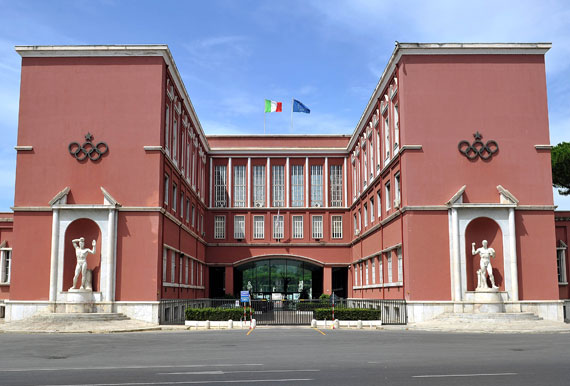 La 1027ª riunione della Giunta Nazionale del CONI si terrà martedì 16 settembre a Roma, presso il Foro Italico, con inizio alle ore 9.00.
Questo l'ordine del giorno:
1) Verbale del 15 luglio 2014
2) Comunicazioni del Presidente
3) Attività Olimpica e Alto Livello
4) Attività Federazioni Sportive Nazionali - Discipline Sportive Associate - Enti di Promozione Sportiva - Attività Antidoping
5) Organizzazione territoriale
6) Rapporti CONI-Coni Servizi Spa
7) Affari Amministrativi
8) Varie e proposte dei membri della Giunta Nazionale
Page 5 of 146