Mondiali, Fabbrizi e Pellielo in corsa nel Trap. Domani la finale
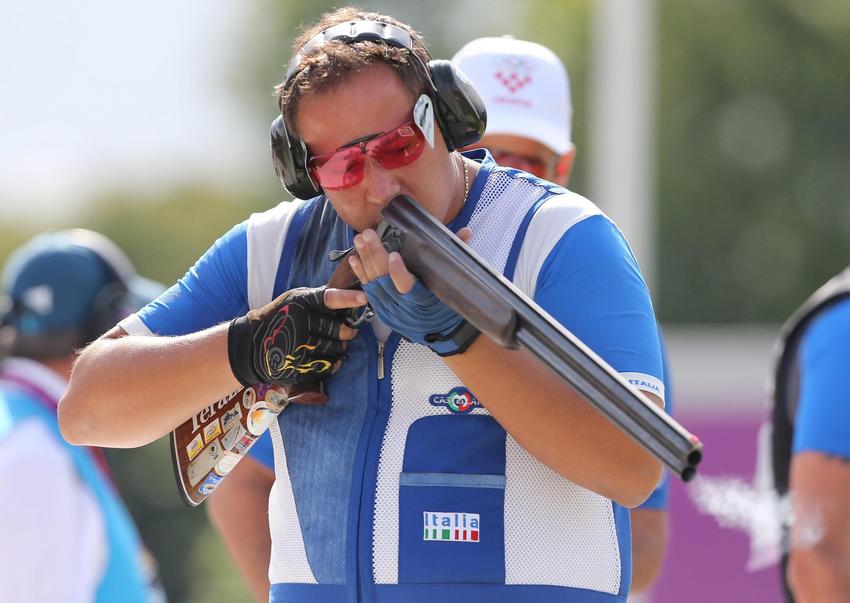 Si è concluso anche il secondo giorno della gara di Fossa Olimpica Maschile del 51° Campionato del Mondo di Tiro a Volo, al Caer de Tiro Olimpico Juan Carlos I di Granada. Dopo pe quattro serie previste dal programma, l’inglese Edward Ling e l’indiano Manavjit Singh Sandhu conducono la gara con 100 su 100. Nessun errore per i due, seguiti a strettissimo giro dagli azzurri Giovanni Pellielo (Fiamme Azzurre) e Massimo Fabbrizi (Carabinieri). Quest’ultimo stamattina è stato perfetto, siglando un esemplare 50/50, esattamente come fatto da Valerio Grazini (Forestale), salito fino a quota 97/100. Per il quattro volte Campione del Mondo e tre volte medagliato olimpico, l’unico errore di questi due giorni è arrivato in occasione del 23° lancio della seconda serie odierna. Nulla di compromesso, in ogni caso, per le speranze di rientrare tra i migliori sei che domani si affronteranno per accedere ai medal matches con in palio il titolo iridato e le prime tre carte olimpiche per Rio 2016. La semifinale è prevista per le 16.00 e verrà trasmessa in diretta da Rai Sport 2 a partire dalle ore 15.50.
Mondiali, anche Pellielo in testa nel Trap dopo i primi 50 piattelli
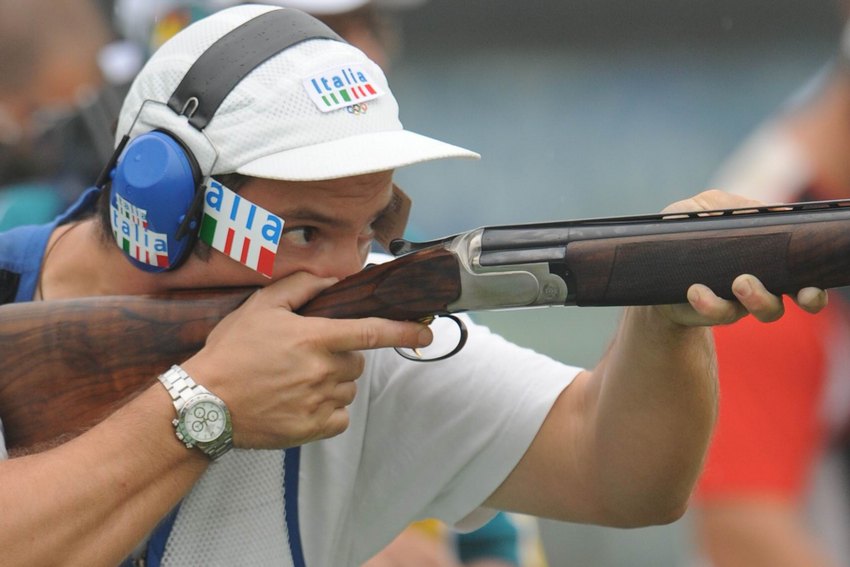 Buona la prima. Giovanni Pellielo apre i 51esimi Mondiali di Tiro a Volo a Granada guidando la classifica provvisoria della Fossa Olimpica, insieme ad altri undici tiratori. Il quattro volte Campione del Mondo e tre volte medagliato olimpico non ha sbagliato nulla. Con un perfetto 50/50, guida il gruppo dei 145 aspiranti Campioni del Mondo e si presenta al secondo giorno di gara con un percorso netto. Buona anche la prestazione di Massimo Fabbrizi. Il Vice Campione Olimpico ha avuto una sola defaillance nella seconda serie, ma con 49 segue i vertici della classifica a brevissima distanza. Qualche difficoltà in più per Valerio Grazini, secondo nella Finale di Coppa del Mondo 2013, che ha iniziato la giornata infilando uno zero nel primo piattello della prima serie. Con 24/25 e 23/25 è arrivato a quota 47. Domani la gara proseguirà con altri 50 piattelli di qualificazione e terminerà mercoledì 10 settembre con gli ultimi 25, la semifinale ed i medal matches. I primi tre classificati consentiranno al Paese di appartenenza di ottenere la Carta Olimpica per Rio 2016.
Italia-Usa 1-3 ma gli azzurri avanzano alla seconda fase dei Mondiali
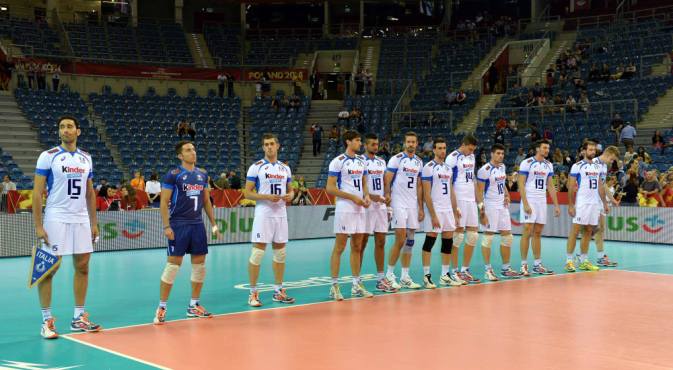 Ancora una sconfitta per la Nazionale maschile di pallavolo, che cede per 3-1 (25-18 25-20 23-25 25-17) agli Stati Uniti, ma riesce ad entrare comunque nel girone della seconda fase dei Mondiali in Polonia (per numero di vittorie nei confronti del Belgio con cui hanno concluso a pari punti), dove sono attesi a Lodz dalle gare con Serbia e Polonia (mercoledì 10 e giovedì 11) e a Bydegoszcz da Australia ed Argentina (sabato 13 e domenica 14). Quattro gare da vincere per continuare ad inseguire la fase finale a sei, che in questo momento sembra molto lontana. Birarelli e compagni partiranno con soli 2 punti e dovranno cercare di raggiungere il terzo posto ora occupato dalla Serbia con 6.
L'Italia contro gli Usa aveva l'occasione di riscattarsi, dopo lo scivolone con Porto rico. Non c'è riuscita, ma ha mostrato grande volontà di uscire da una crisi, che gli stessi protagonisti non riescono a spiegarsi completamente.
"Qui in Polonia a parte qualche momento non ci siamo espressi sui nostri migliori livelli - ha commentato Dragan Travica che nella seconda parte del match è tornato a guidare la squadra - Per questo non abbiamo battuto gli Stati uniti ed abbiamo perso le gare in precdenza. Sino a questa partita la sfera ce l'avevamo noi. Avevamo l'occasione di cambiare il nostro Mondiale. ci abbiamo provato davvero con tutte le nostre forze ed i nostri difetti. Non ci siamo riusciti, ma questa è la faccia più positiva della gara".
L'Italia non ha iniziato benissimo, fermata soprattutto dalla forza in battuta degli americani. Nel secondo set Mauro Berruto ha perduto Ivan Zaytsev per un infortunio alla caviglia destra e lo ha sostituito con Vettori. In svantaggio 0-2 la squadra azzurra si è parzialmente ritrovata. Ha "raccolto" molto di più in difesa, ha lottato e vinto 25-23 il terzo riaprendo il match. Sullo slancio gli azzurri sino sono portati avanti nel quarto 6-4, ma poi alla lunga hanno iniziato a sbagliare troppo ed hanno ceduto. Berruto inizialmente ha deciso di rimettere in squadra Simone Parodi, martello accanto a Kovar, confermato invece Baranowicz in regia. Simone Buti, dopo il riposo di sabato ha ripreso il suo posto da titolare al centro insieme a Birarelli. Poi ha utilizzato molto Travica, in pianta stabile dal terzo set e dopo l'infortunio dello "Zar" ha messo dentro Vettori.
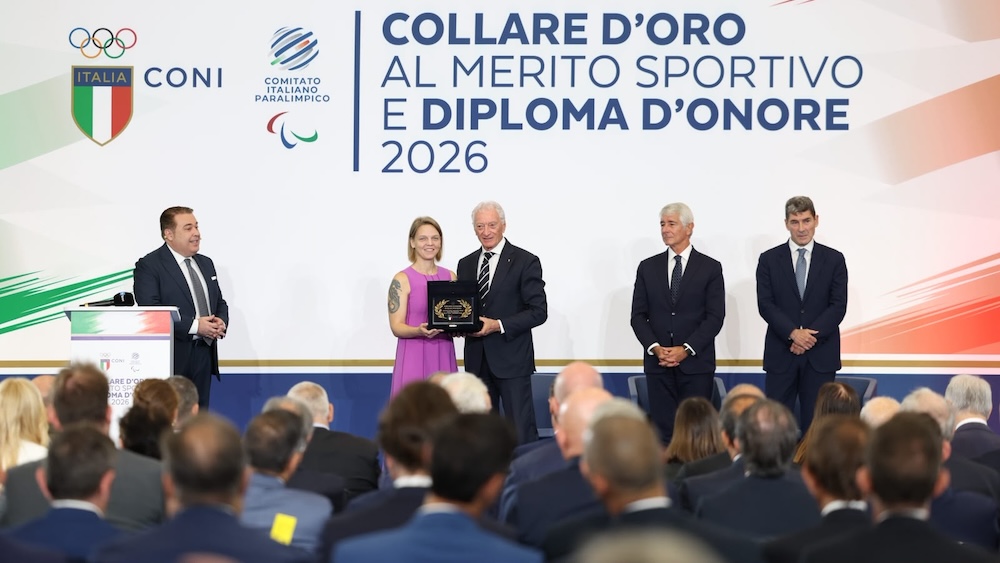
Collari d'Oro presented, Buonfiglio: “Proud of a winning 2026, both on and off the field of play”
- AT THE ‘GIULIO ONESTI’ CPO
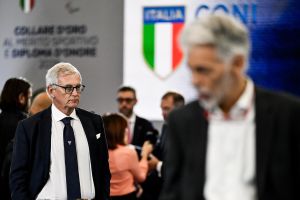
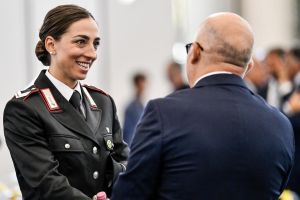
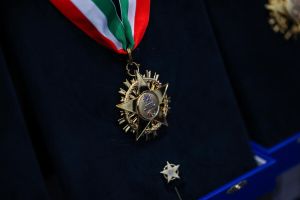
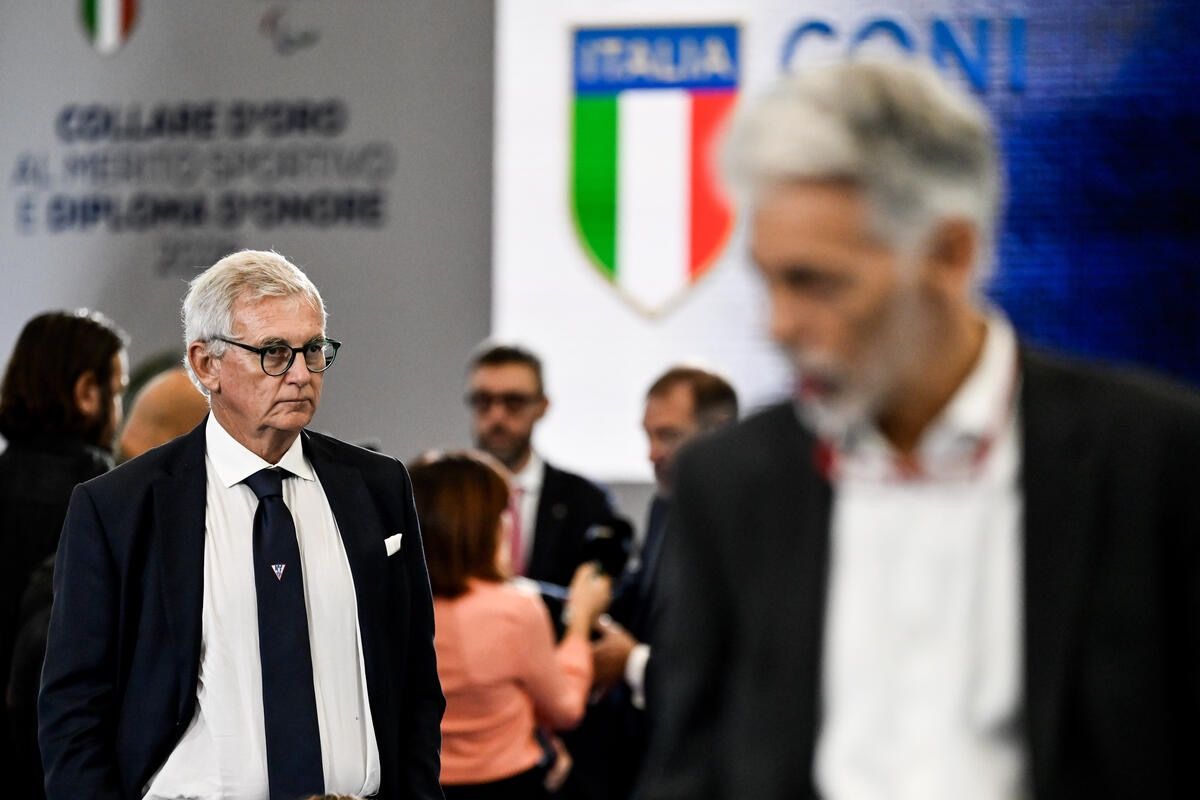
From the Olympic and Paralympic triumphs of Milano Cortina 2026 to the world titles secured throughout the year, Italian sport has celebrated its champions following a season of outstanding international success. CONI’s ‘Giulio Onesti’ Olympic Preparation Centre in Rome hosted the Collari d'Oro for Sporting Merit awards ceremony, honouring the recipients of Italian sport’s highest distinction. The occasion was dedicated to celebrating Italian sporting excellence, recognising the achievements of athletes and the contributions of coaches, officials and sports clubs who helped deliver the successes of 2026.
“This iconic venue of Italian sport, CONI’s ‘Giulio Onesti’ Olympic Preparation Centre, embodies everything we do in sport,” said CONI President Luciano Buonfiglio in his opening address. “There could be no better place to celebrate your victories, which fill us with pride. Athletes succeed when the entire system works: coaches, officials and presidents. Everyone working together towards the same goal. Once again this year, you have been the stars. Italy and the world have watched and followed us. We showcased the host locations of the Games and earned the admiration of the world. After Milano Cortina 2026, we hosted the Mediterranean Games: together, we made Taranto a success. It was a tremendous achievement. We have won so much in 2026, not only at the Games and in Taranto. We have already secured several qualification places for Los Angeles 2028 and are already working on our Olympic preparations. But our victories have not been confined to the field of play: we have demonstrated expertise, knowledge, efficiency and organisational ability. I would like to thank the President of the Italian Republic, Sergio Mattarella, who has always stood by us. I also thank the Government, Prime Minister Giorgia Meloni and Minister of Economy Giancarlo Giorgetti for their continued support for sport. We are on the right track”.
Minister for Sport and Youth Andrea Abodi then addressed the ceremony: “This event is a tradition, and each time it carries a special meaning: reaffirming the value of results, commitment, cooperation and respect. The greatest significance of victories lies in the example they set. That is what sport is above all: a natural remedy that enables us and our communities to grow and improve. We are relay runners in a race that never ends, continually making a positive impact on social life”.
Italian Paralympic Committee President Marco Giunio De Sanctis added: “We have experienced extraordinary Games. All together. Today we celebrate the greatest athletes in the world. Our sport is in excellent health. That is beyond doubt. These athletes are the finest expression of our country’s values”.
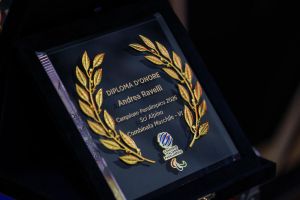
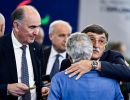
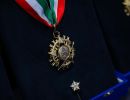
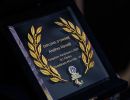
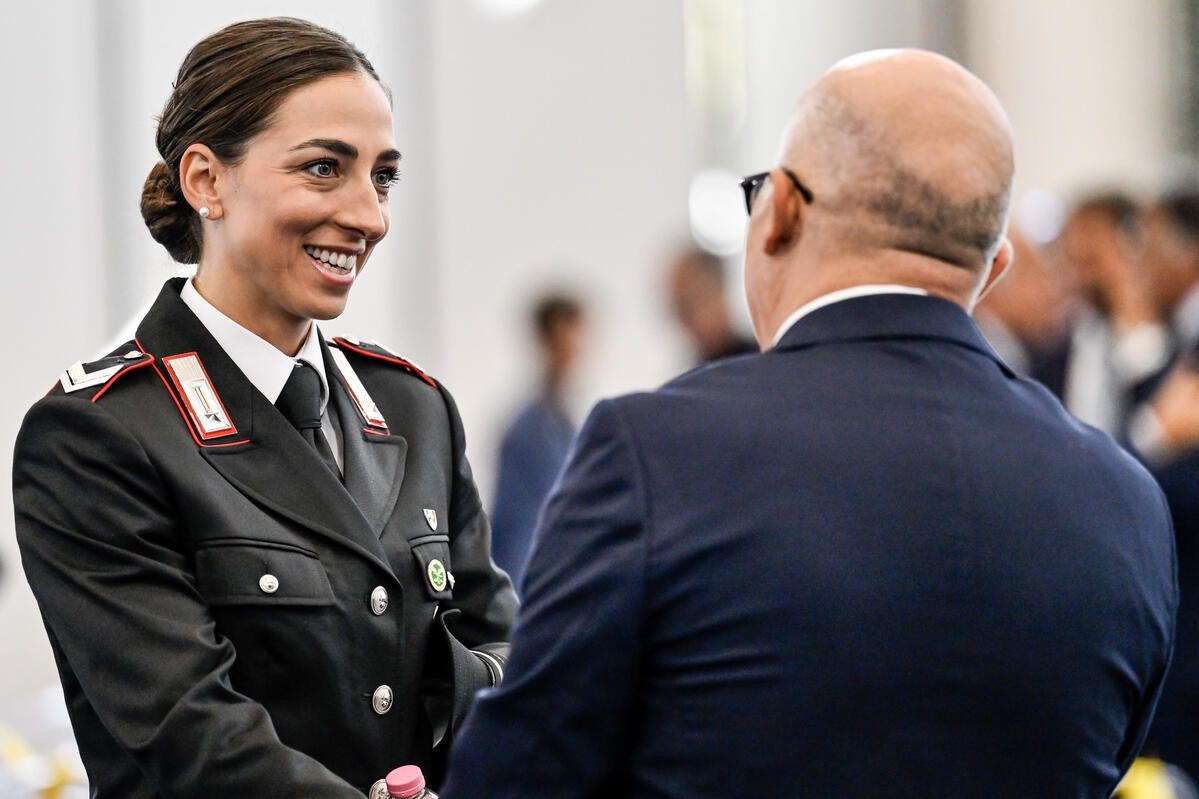
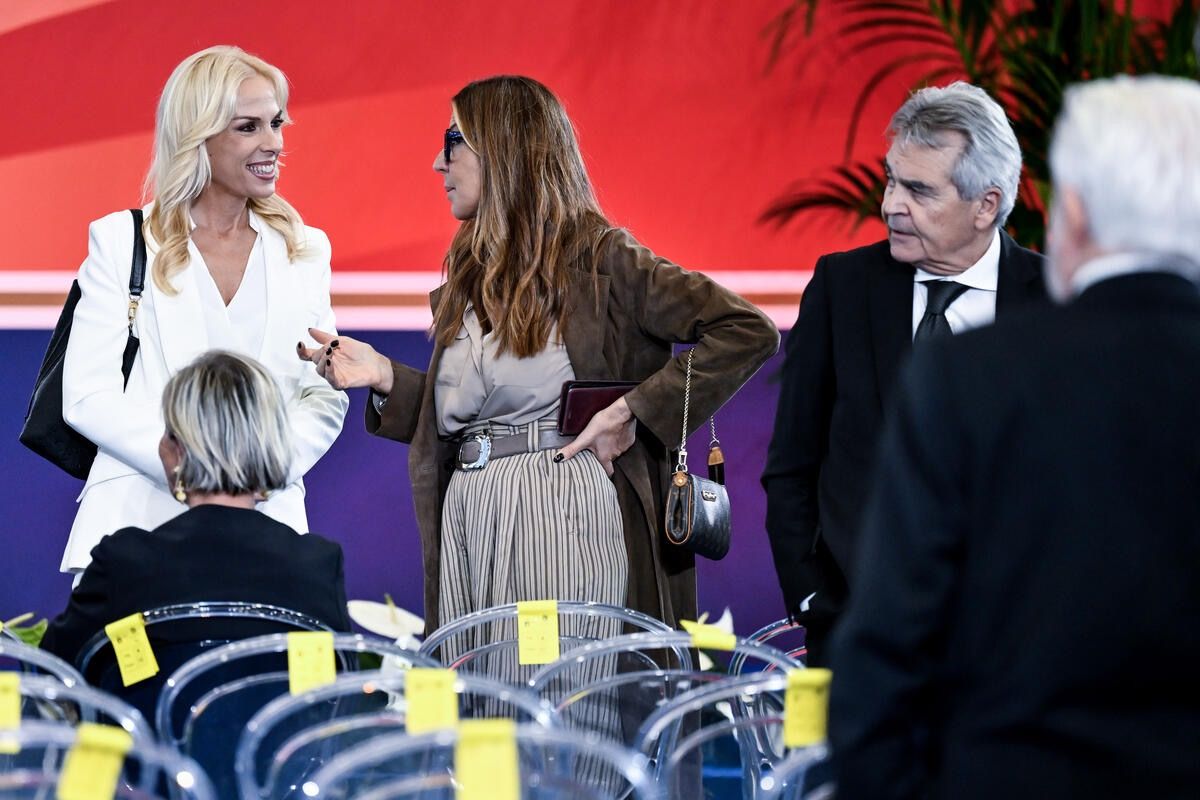
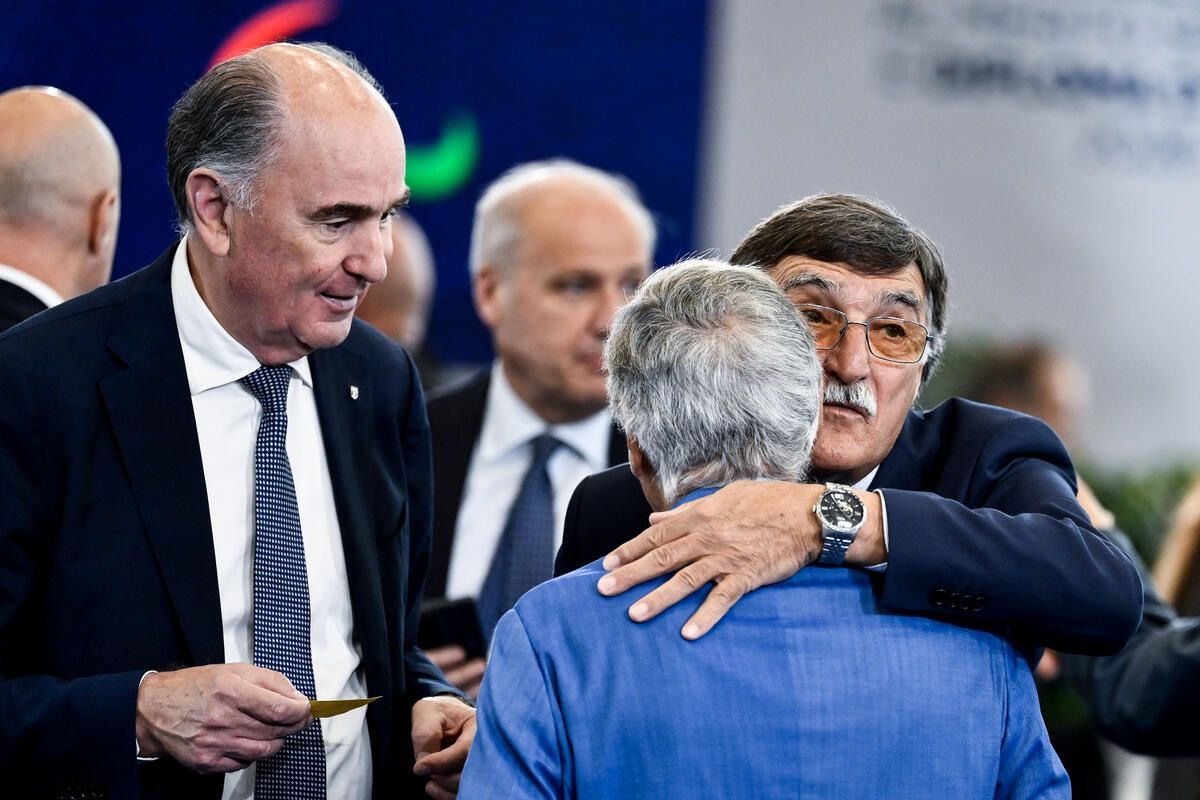
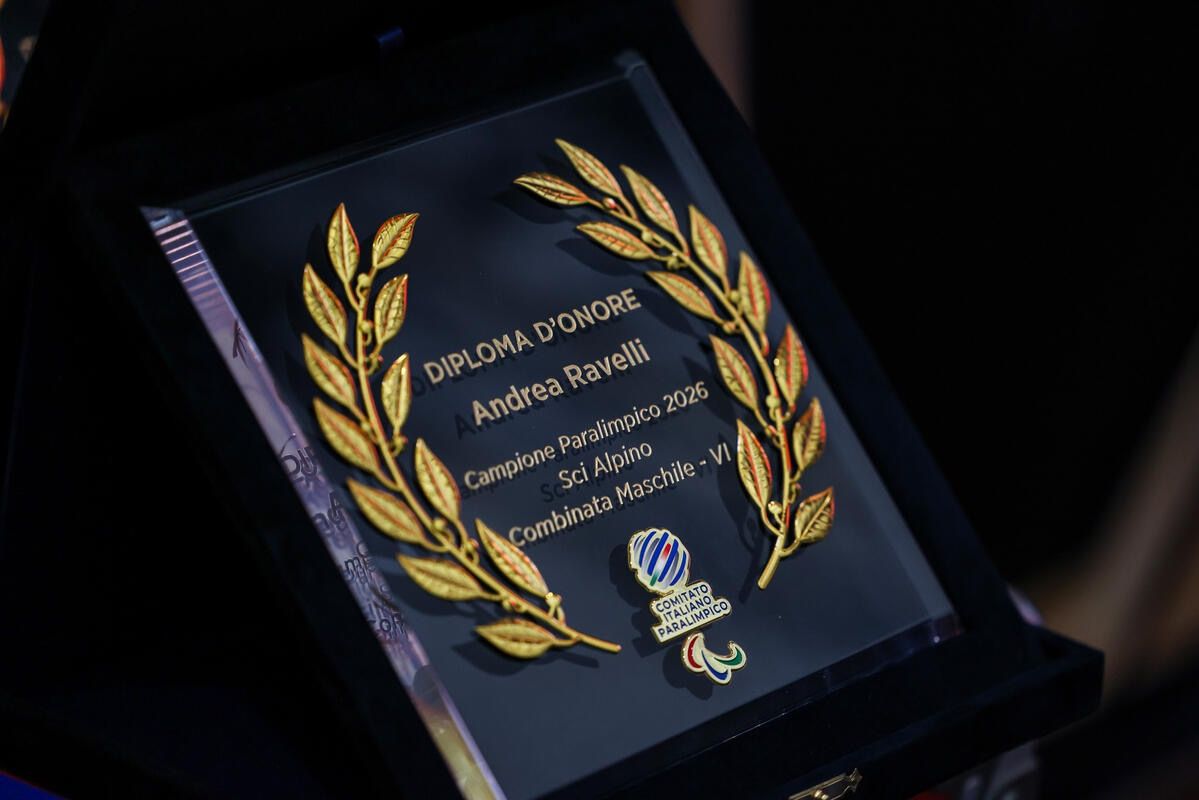
The awards presentations then took place (photos by Mattia Martegani and Andrea Masini/CONI). Under the current regulations governing sporting honours, those who had already received the Collari d'Oro in previous years were presented with the Diploma of Honour, while coaches were awarded the Golden Palm.
The Collare d'Oro was also conferred on leading figures Angelo Binaghi, Evelina Christillin, Francesco Ettorre, Giuseppe Manfredi, Stefano Mei, Tiziana Nasi and Gabriella Palmieri Sandulli, as well as the sports clubs A.S.D. Sci Corno alle Scale Kli Bologna, A.S.D. Canottieri Sabazia, Società Sportiva Calcio Napoli, ACF Fiorentina, Circolo del Tennis Palermo, Associazione Sportiva S. Stefano, Polisportiva Milanese 1979 Sport Disabili and Associazione Sportiva Handicappati Novara Onlus.
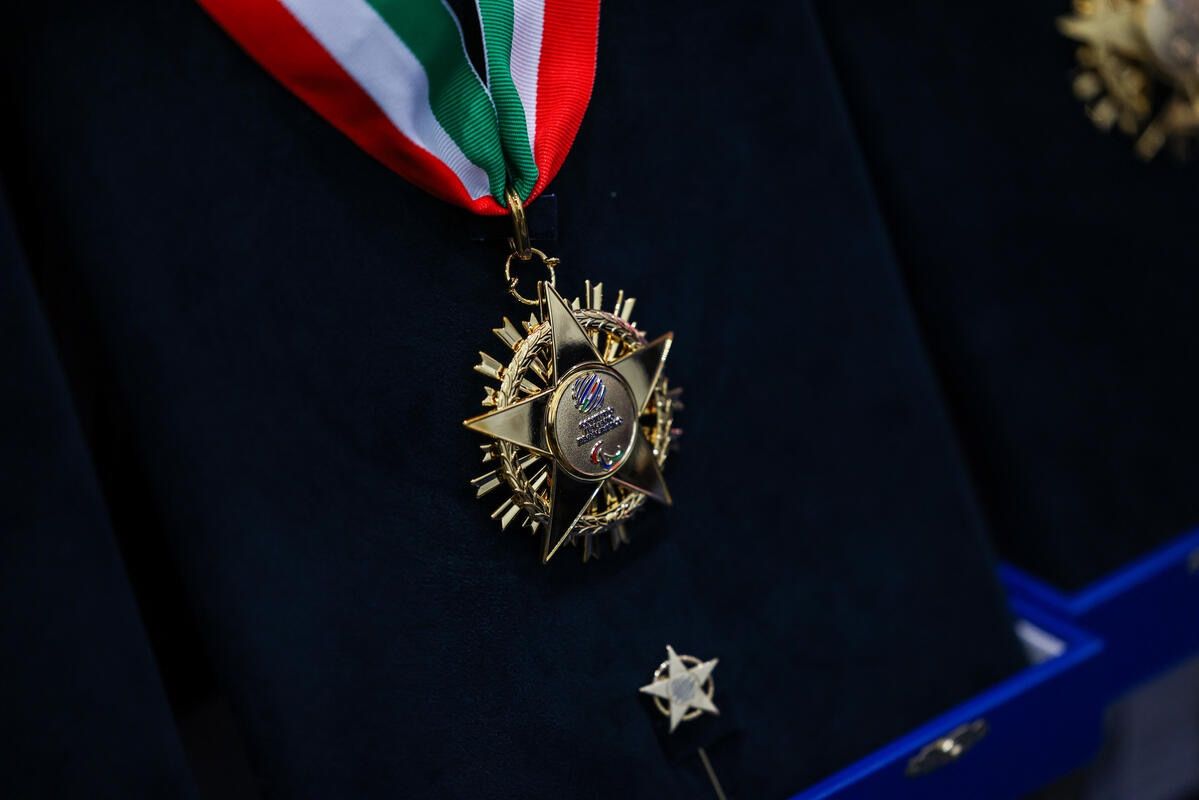
The military and civilian sports organisations that contributed to Italy’s success at Milano Cortina 2026 were also honoured. The Golden Stars for Sporting Merit were awarded to Andrea De Gennaro, Commanding General of the Guardia di Finanza (Fiamme Gialle); Salvatore Luongo, Commanding General of the Carabinieri; Carmine Masiello, Chief of Staff of the Italian Army; and Vittorio Pisani, Chief of the Italian State Police (Fiamme Oro).
Cerimonia di consegna dei Collari d'Oro 2026



Lombardy makes it two in a row with Trofeo CONI 2026 triumph. Celebrations in Castellaneta as Lazio takes over as host for 2027
- CLOSING CEREMONY
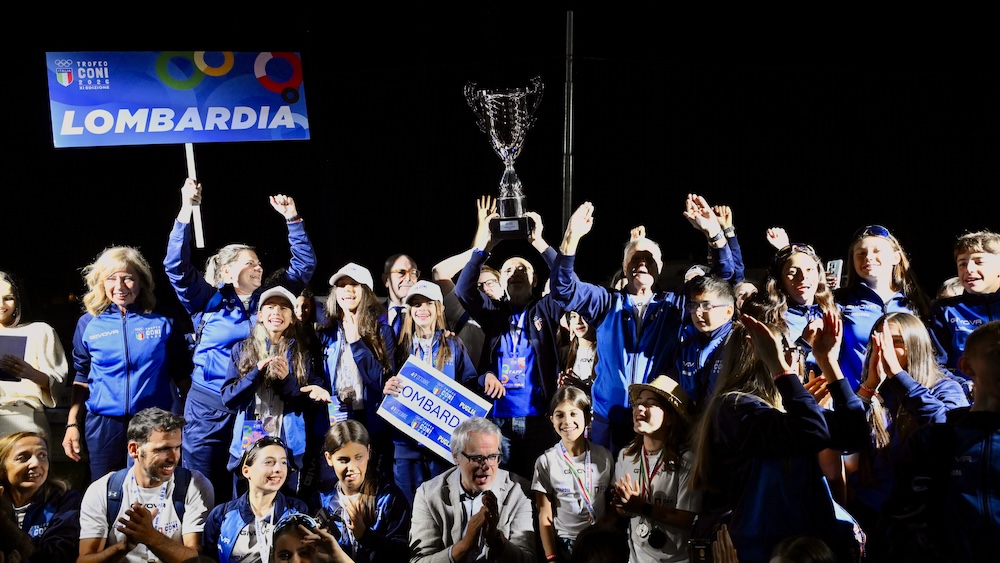
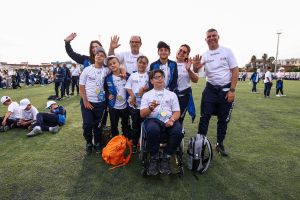
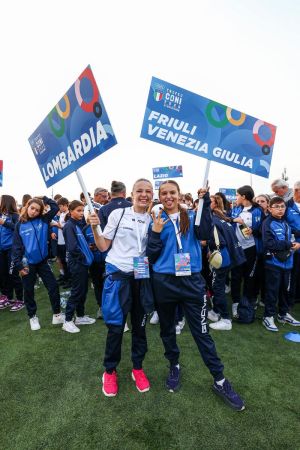
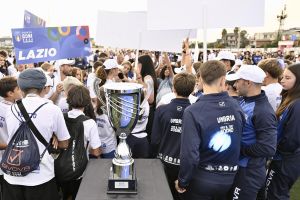
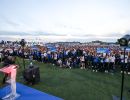
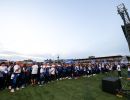
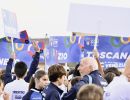
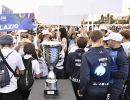
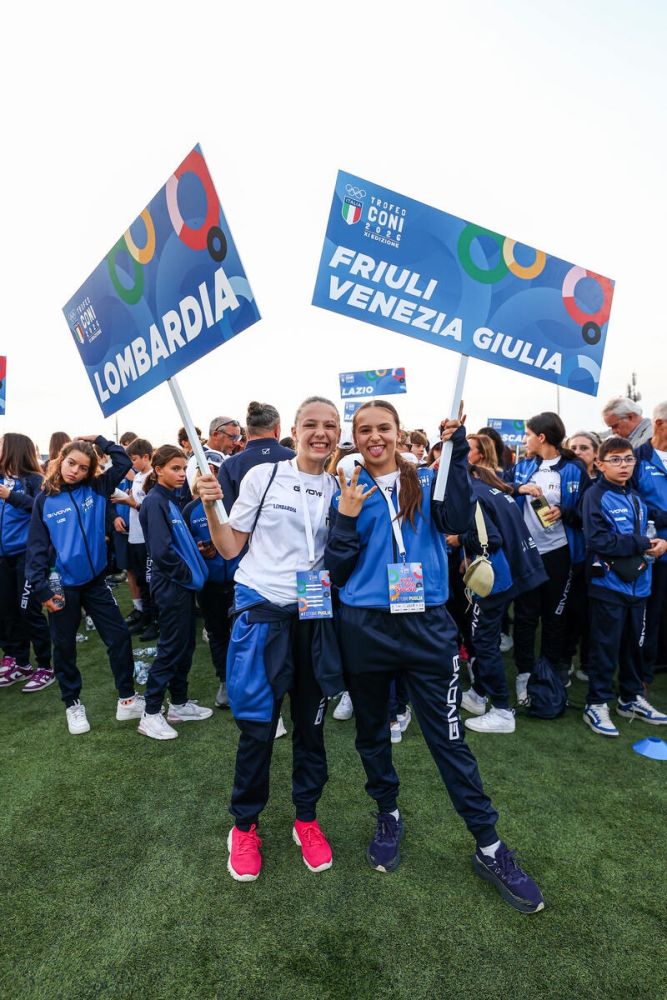
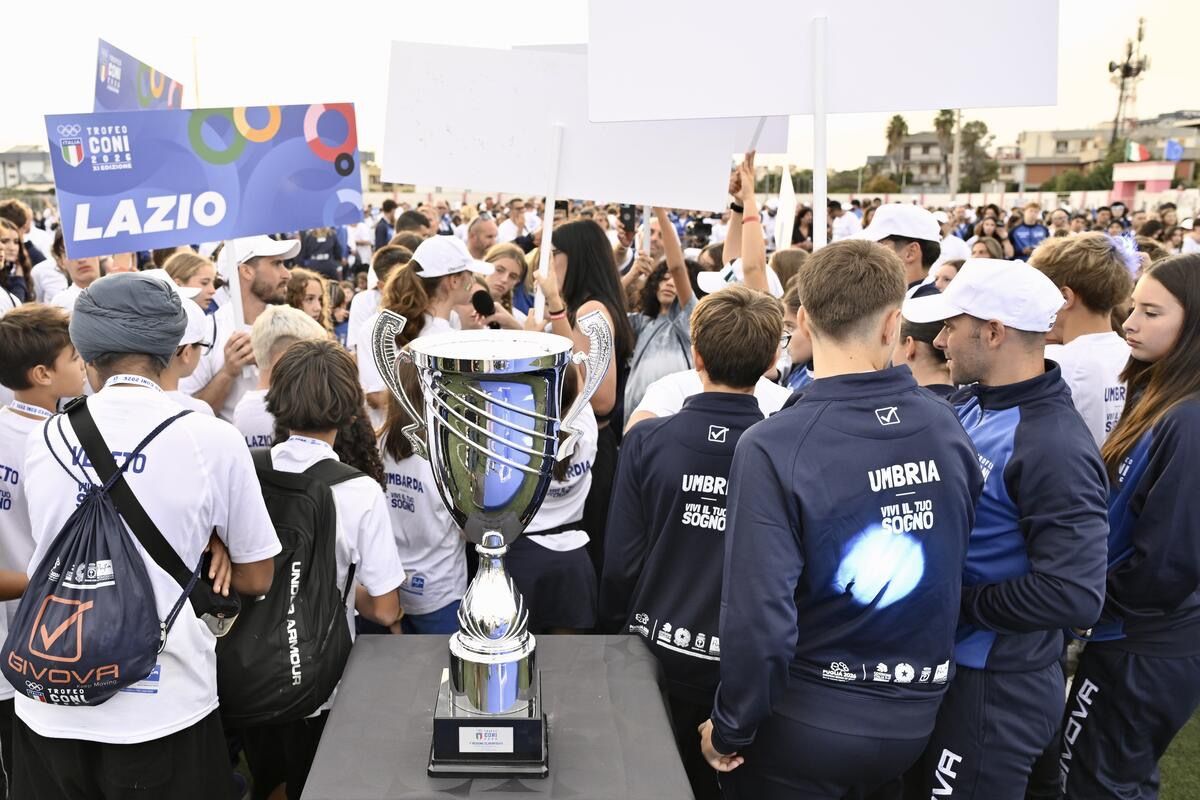
Lombardy has won the Trofeo CONI for the second consecutive year. The result of two days of competition in Puglia was announced during the closing ceremony at the Stadio Comunale Giovanni De Bellis in Castellaneta.
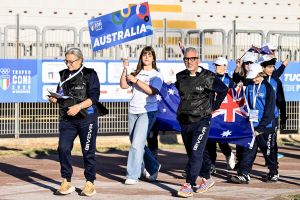
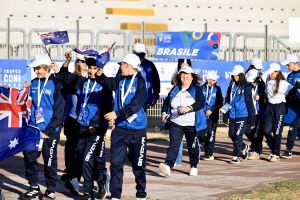
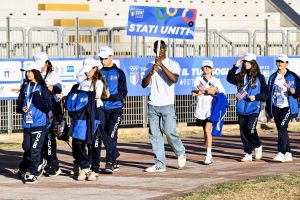
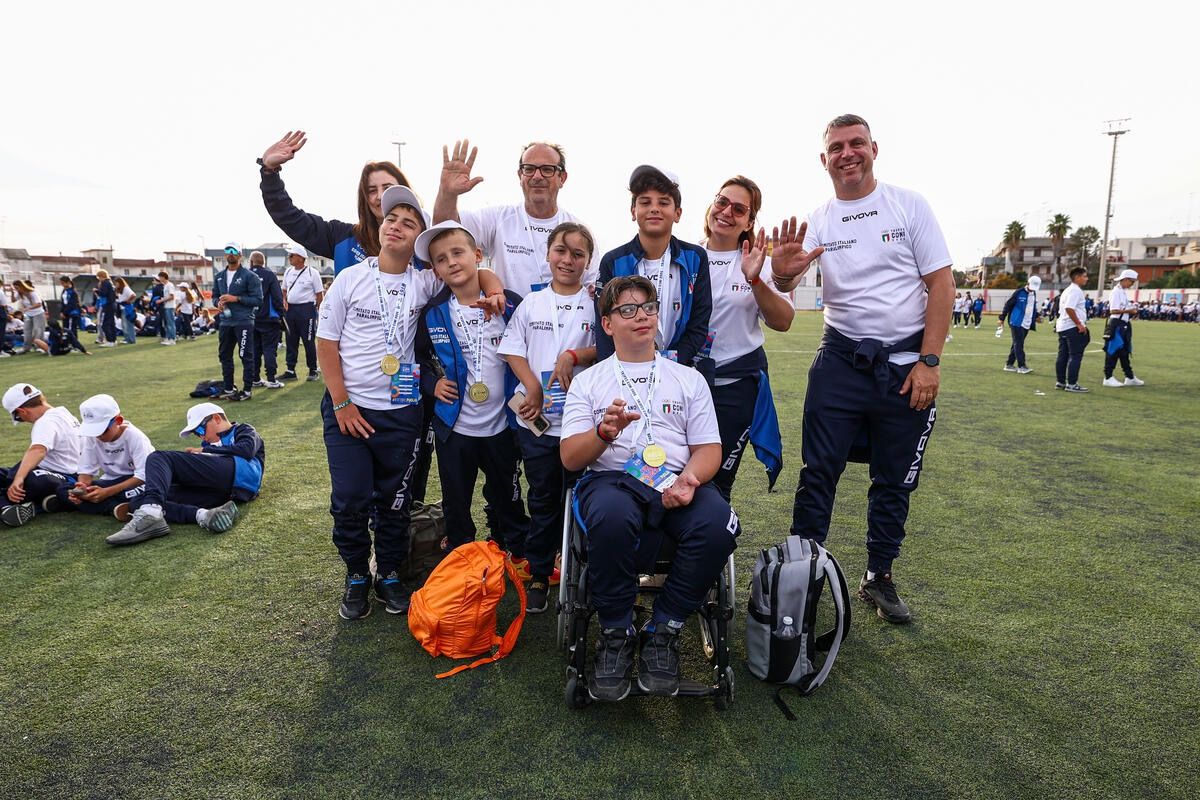
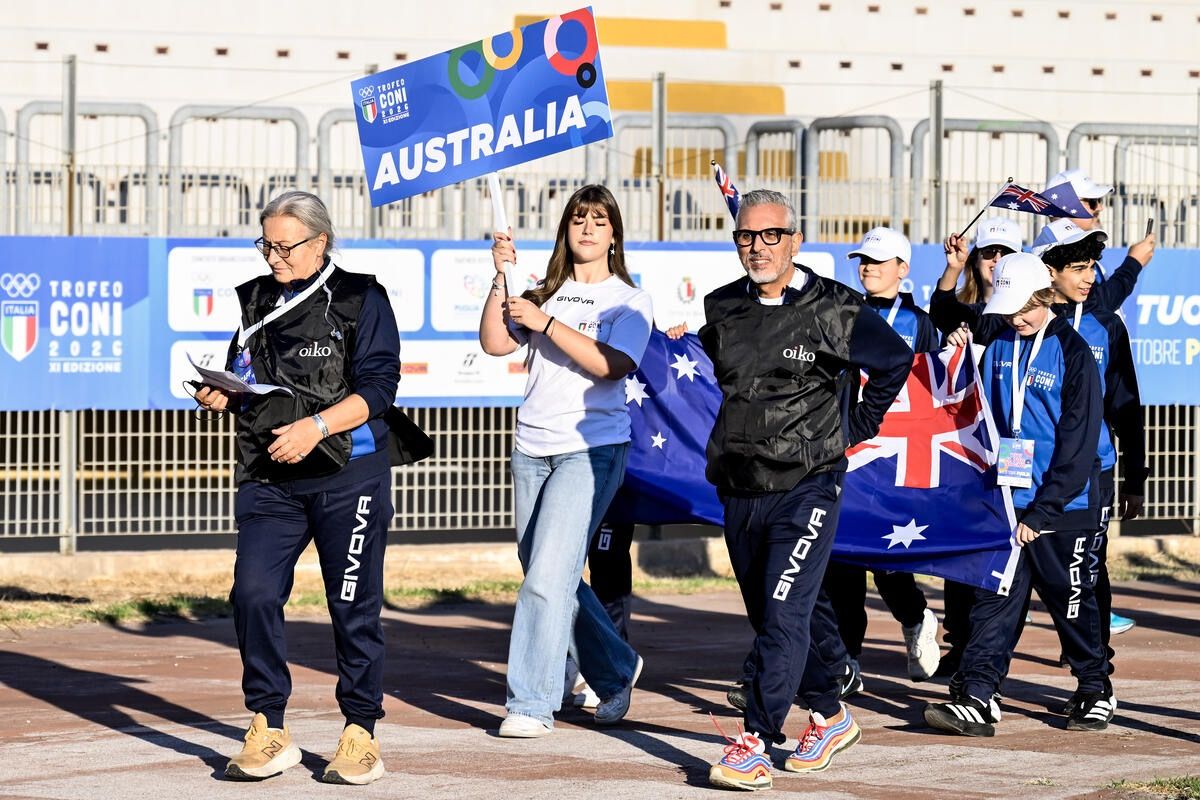
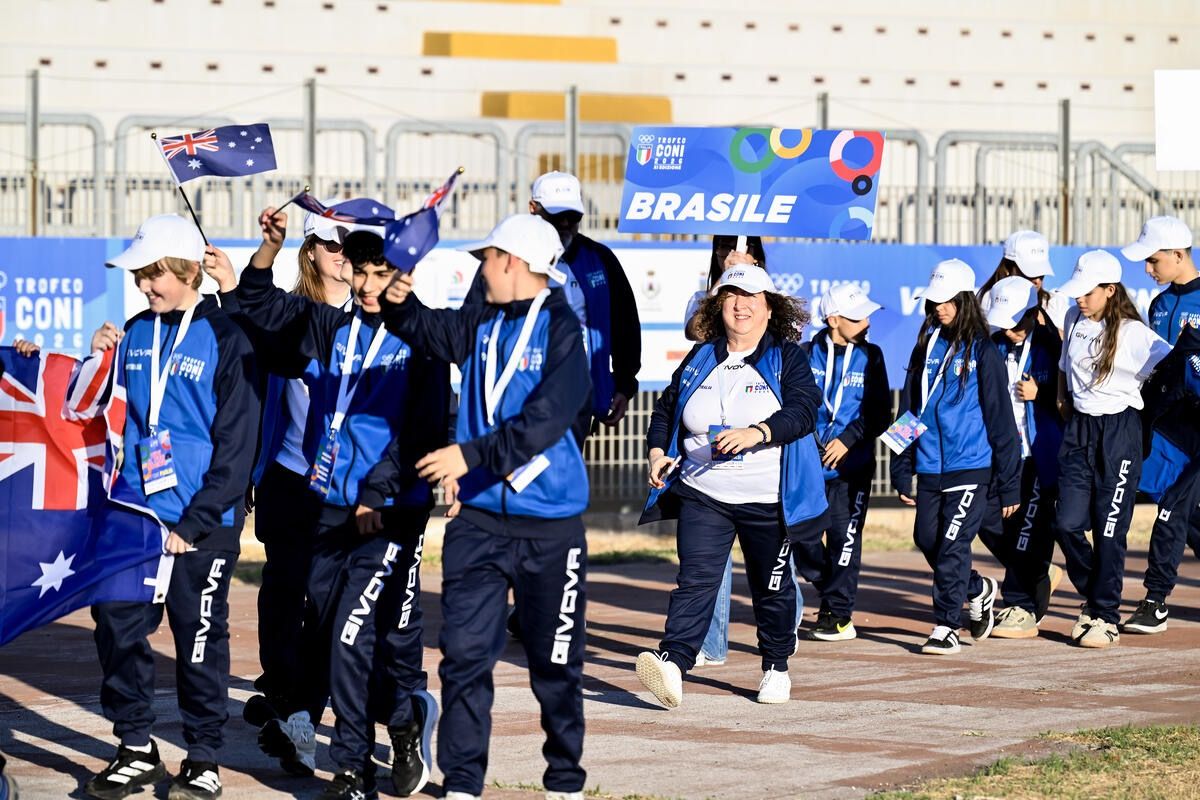
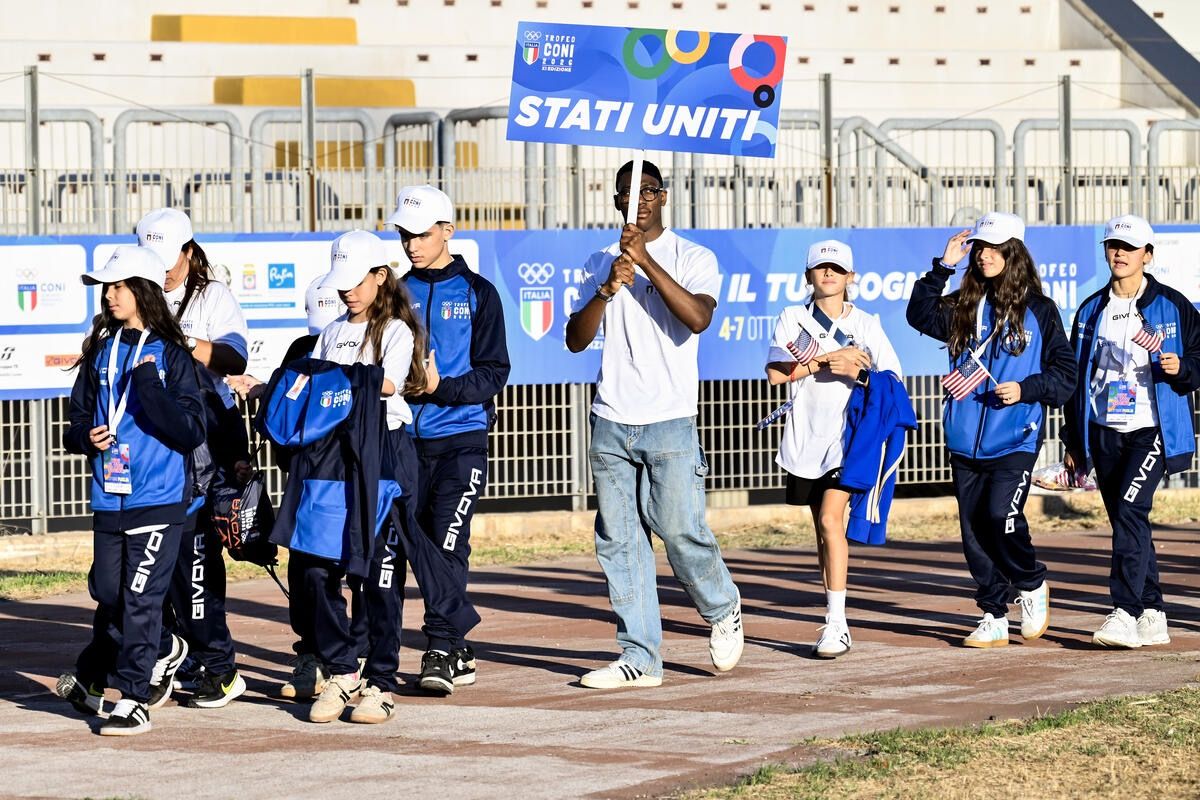
The 11th summer edition of Italy’s largest multi-sport event for under-14 athletes has thus drawn to a close, having brought approximately 4,500 athletes and coaches from across the country to Puglia, alongside delegations from Italian Communities Abroad in Australia, Brazil, Venezuela, the United States and Switzerland and, for the first time, Paralympic athletes from FISDIR and FISPES.
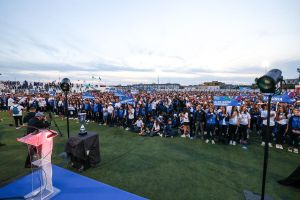
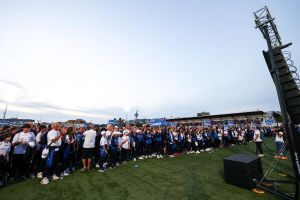
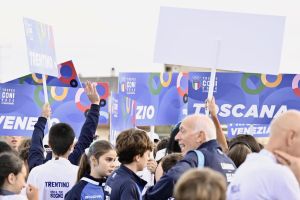
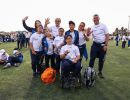
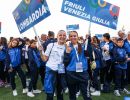
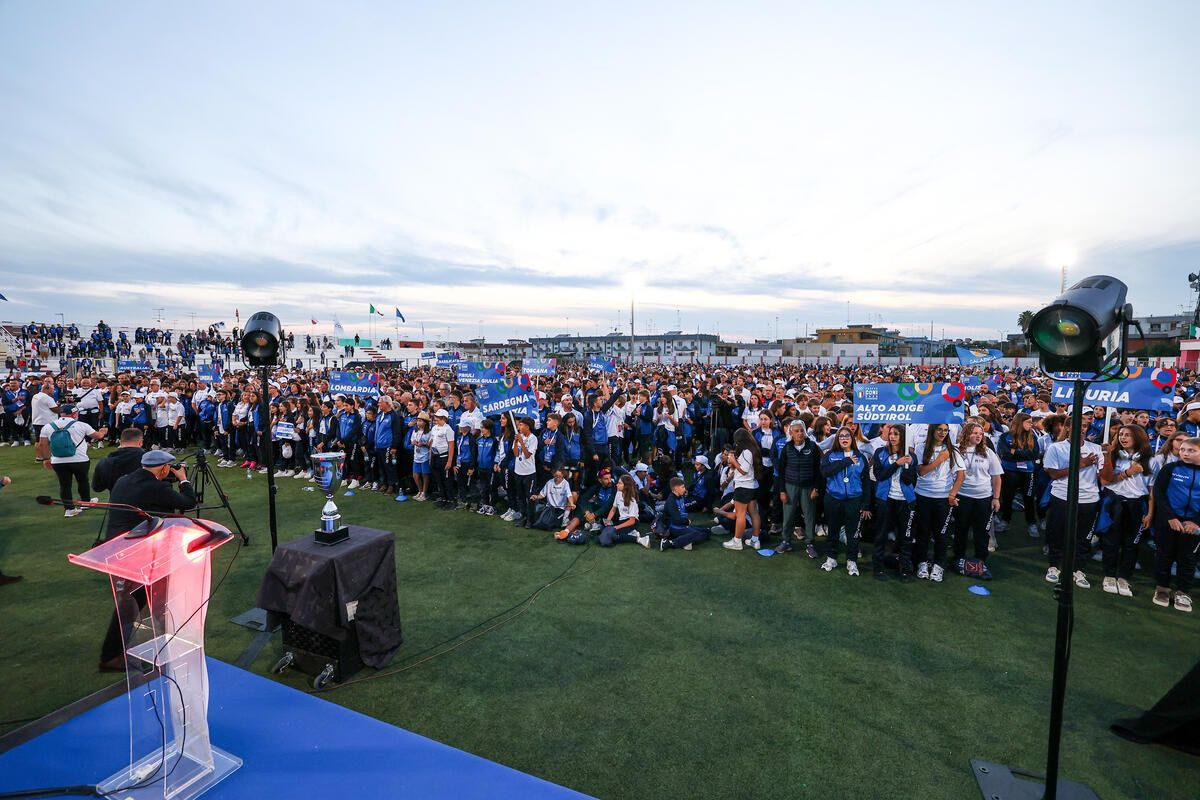
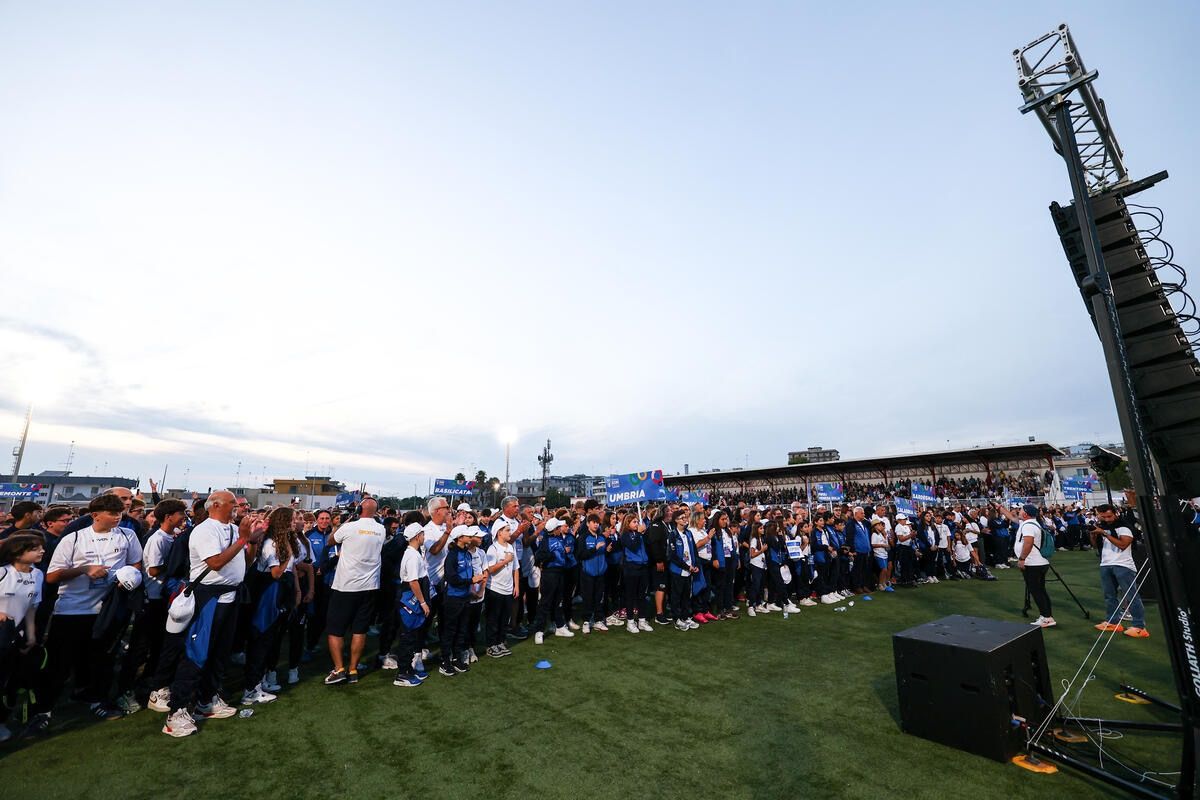
The ceremony (photos by Mattia Martegani and Andrea Masini/CONI) opened with the Italian national anthem, Il Canto degli Italiani, followed by addresses from institutional representatives. “Welcoming 4,500 participants has been a source of immense pride. We have witnessed commitment, passion and courage, as well as togetherness, friendship and people coming together. For Castellaneta, it has also been an important opportunity to promote tourism. A national showcase combining sport with a culture of hospitality. We hope you will take home wonderful memories of this land,” said Castellaneta Mayor Giambattista Di Pippa.
“This marks the conclusion of an extraordinary experience for Puglia. We are particularly proud to have hosted you. Personal growth, sacrifice, commitment and smiles have made the difference. The Trofeo CONI reminds us of the true meaning of sport. Sport must unite people and build communities. That mission has been accomplished,” added Annagrazia Angolano, Regional Councillor and Chair of the Puglia Regional Council’s Sixth Committee.
Angelo Giliberto, President of CONI’s Puglia Regional Committee, addressed the young athletes: “As we said, we have reached the closing credits. You are the strength of your regions, together with your regional presidents. You are the future of Italian sport, and I need say no more. On my way here, quite a few people asked me: ‘Are you happy?’ Yes. ‘Did everything go well?’ No. Why? Because there is always something that does not go well. And it is from these mistakes that we want to start, so that we can improve. There is no such thing as a perfect event. And with approximately 4,500 athletes and coaches, it is even more difficult. It is wonderful, wonderful to see you all. I am absolutely delighted, but I am never satisfied. You are the ones who must do more, because you are also the citizens of tomorrow. This is where it begins, where the journey starts. The wonderful thing is that, from this year onwards, we already have Lazio preparing to organise next year’s edition and Liguria in 2028. So we have established a pathway. Allow me to thank the Mayor of Castellaneta and the mayors who enabled us to support this event. There have been many firsts at this edition. The first time the CIP has joined us, and nobody even noticed, because that is what true inclusion means: they are here with us. And then there is sustainability: we are leaving no debt to those who come after us”.
The Fair Play Awards were then presented to Emilia-Romagna archer Sofia Bianchini and Lombardy’s FISPES Paralympic athlete Francesco Salah Sami.
The podium positions in the Regional Committee standings were announced by Cecilia D’Angelo, CONI’s Director of Territorial Affairs, Sport and Social Activities: “You have been welcoming and warm-hearted here in this region, as well as extremely, extremely professional. So thank you, Puglia. Thank you to everyone at CONI, both nationally and regionally, who organised this event. Thank you to all the colleagues who took part. Thank you to the Sports Science departments at the University of Bari and the University of Rome Foro Italico, which provided the young men and women who were trained to help us deliver this event in the best possible way. Thank you to the Sports Federations. Thank you to the CONI Regional Committees from across Italy and their presidents, who accompanied their delegations here. Thank you to Givova, who provided our clothing, and thank you to Ferrovie dello Stato and Busitalia, who brought us here. Thank you to the delegates of the Italian communities abroad, who brought so many young people here with the support of the Ministry of Foreign Affairs. Thank you to everyone, because we have demonstrated another important rule of fair play: that nobody gets anywhere alone, but that we win together. And these values, which are the Olympic values, the values of fair play, are values that we adults must remember and safeguard. Because the boys and girls who have competed over the past few days, and whom I have watched in action, have been the finest examples of fair play. Because you have all been outstanding and wonderful”.
Lazio finished third with 106 points, Emilia-Romagna took second place with 108, while the top step of the podium went to Lombardy with 112 points. Led by CONI Regional Committee President and National Board member Marco Riva, Lombardy thus repeated its 2025 triumph. In the overall standings, the battle for 12th place between Liguria and Calabria was settled in favour of Liguria on the basis of a greater number of second-place finishes.
Following the traditional winners’ photographs, Angelo Giliberto handed over the baton to Alessandro Cochi, President of CONI’s Lazio Regional Committee, and Elena Palazzo, Lazio Regional Councillor for Tourism, Environment, Sport, Climate Change, Energy Transition and Sustainability, as Lazio prepares to host the 12th summer edition of the event in 2027.
“Thank you for the energy you have given us” said Cochi.
“These have been days filled with great emotion. Through CONI, we will continue to develop this extraordinary sporting event and help it grow even further. We look forward to welcoming you to Lazio next year” said Palazzo.
With the cauldron extinguished, the curtain has fallen on the Trofeo CONI in Puglia. The next stop is Rome in 2027.
Trofeo CONI: in Puglia la Lombardia agguanta il secondo successo consecutivo


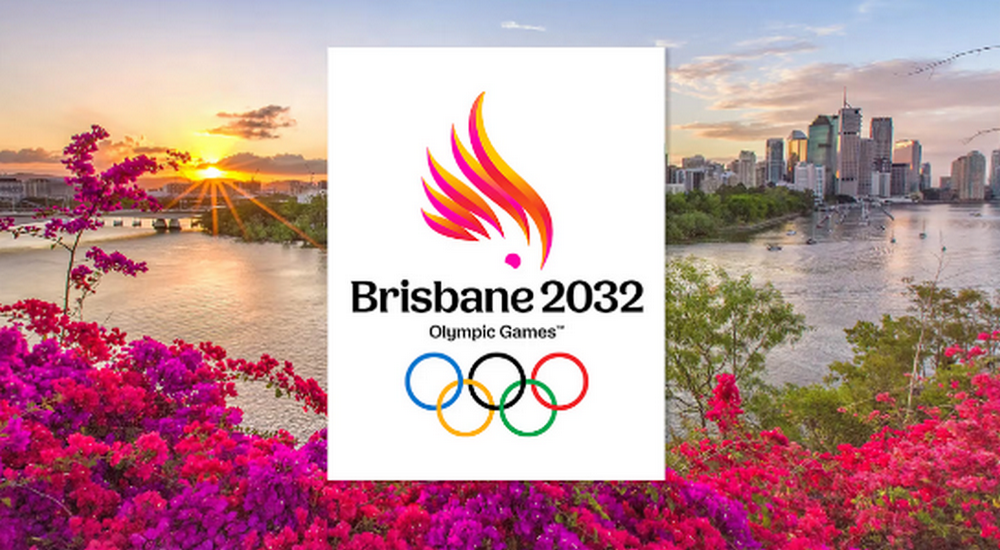
Unveiled the emblems for Olympic and Paralympic Games: a vibrant expression of Queensland and Australia
- BRISBANE 2032
Brisbane 2032 has unveiled its Olympic and Paralympic emblems, inspired by Queensland’s character, wildlife and identity. At their heart are two native Australian cockatoos, giving each a distinctive look and personality.
Speaking about the unveiling, the International Olympic Committee (IOC)’s Brisbane 2032 Coordination Commission Chair, Mikaela Cojuangco Jaworski, said: “With this emblem, Brisbane and Queensland take their place in a historic line of Olympic identities stretching back over a century, representing Australia on the global stage for the third time, with Melbourne in 1956 and Sydney in 2000. Bringing together the nature and character of the country, this region and its people with iconic Olympic imagery, this emblem could not be better suited to carrying these Games forward".
At the heart of the design are two variations of the cockatoo, a bird native to Queensland and Australia and known for its playful, inquisitive character. The pink cockatoo represents the Olympic Games, while the sulphur-crested cockatoo is used for the Paralympic Games. Several other elements are woven into the designs. The outline of Queensland appears within the cockatoo’s crest, while the Olympic and Paralympic flames represent unity, hope and inspiration. The arrangement of three and two feathers provides a subtle reference to Australia’s home Games in 2032. The cockatoos also carry First Nations significance, with strong connections to Country and a cultural role as messengers linking people to place, story and ceremony.
In both emblems, the cockatoo is combined with the Brisbane 2032 signature in bespoke font, while Games symbols – the Olympic rings and Paralympic Agitos and designations – allow each element to tell part of the story while reinforcing the others. The result brings a contemporary expression of Queensland into the long tradition of Olympic and Paralympic identities, pairing local character with the enduring symbols of the Games. Brisbane 2032 President Andrew Liveris said: “Olympic and Paralympic Games emblems are an opportunity to promote the unique character of a Games, inviting the world to learn more, visit, invest and be part of an event unlike any other". The emblems were created by a consortium of local and global creative agencies, overseen by the Brisbane 2032 Organising Committee, and extensively tested in Australia and internationally.
Twelve Olympic, Paralympic and sporting greats took part in five reveals held across Queensland, from Cairns and Townsville to Rockhampton, the Sunshine Coast and the Gold Coast. The locations of the reveals were the Great Barrier Reef, Castle Hill, Rockhampton’s Riverside Precinct, Wildhorse Mountain and Currumbin Beach. The series of locations was designed to showcase the diversity of Queensland, with each stop adding another piece of the Brisbane 2032 identity. The six elements then came together at a launch event, with two large-scale physical emblems revealed in Brisbane’s South Bank.
The Olympic and Paralympic emblems will now become a central part of Brisbane 2032’s visual identity, as preparations continue towards the Games. The designs are separate from the Brisbane 2032 mascot or mascots, which will be unveiled closer to Games time. The Brisbane 2032 Olympic Games will take place from 23 July to 8 August, with the Paralympic Games taking place from 24 August to 5 September.
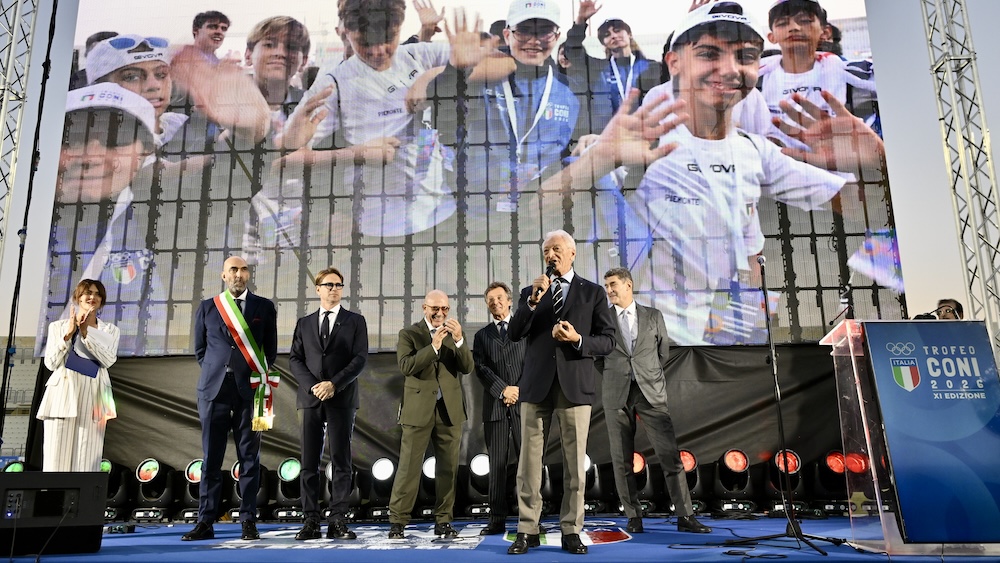
Trofeo CONI, spectacular opening ceremony in Bari. Buonfiglio: “This is what a winning Italy looks like”
- AT THE STADIO DELLA VITTORIA
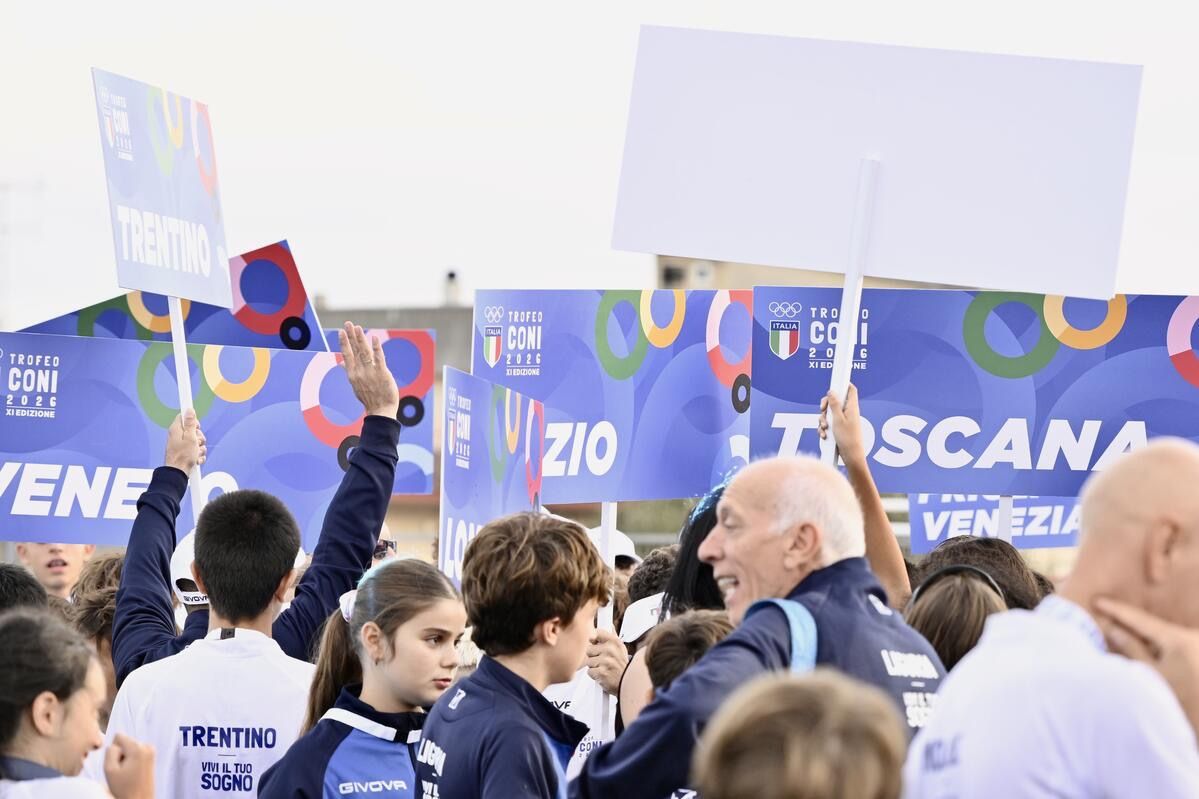
The 11th summer edition of the Trofeo CONI is officially under way. The opening ceremony at Bari’s Stadio della Vittoria marked the start of Italy’s largest multi-sport event for under-14 athletes from all regions of the country. The young competitors are set to battle it out across 16 competition venues in the provinces of Bari, Lecce, Brindisi and Taranto, representing 45 sports organisations – with Twirling featuring as a demonstration sport – and CONI’s 21 Regional Committees.
Among the approximately 4,500 participants in the Trofeo CONI in Puglia, including athletes and coaches, are, for the first time, Paralympic athletes from FISDIR and FISPES, alongside representatives of Italian Communities Abroad from Australia, Brazil, Venezuela, the United States and Switzerland. The event was broadcast live, as part of an extensive streaming schedule, on Italia Team TV, CONI’s OTT platform.
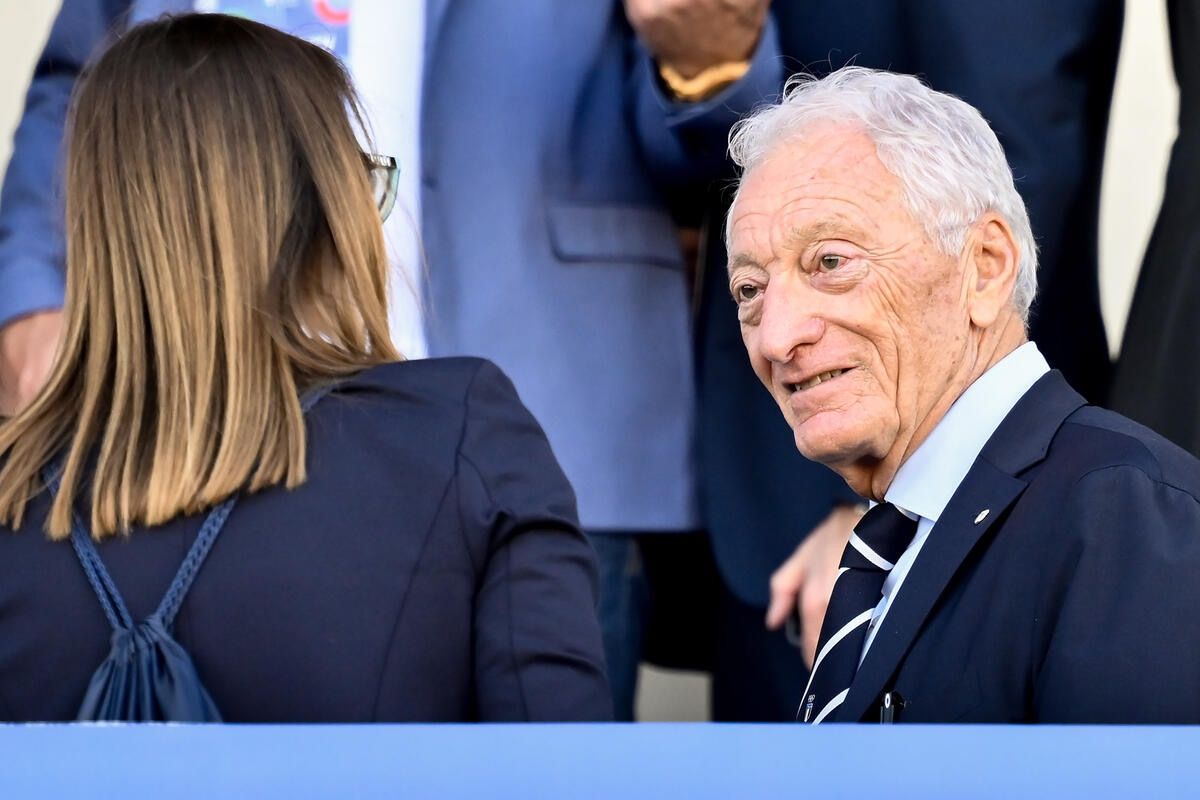
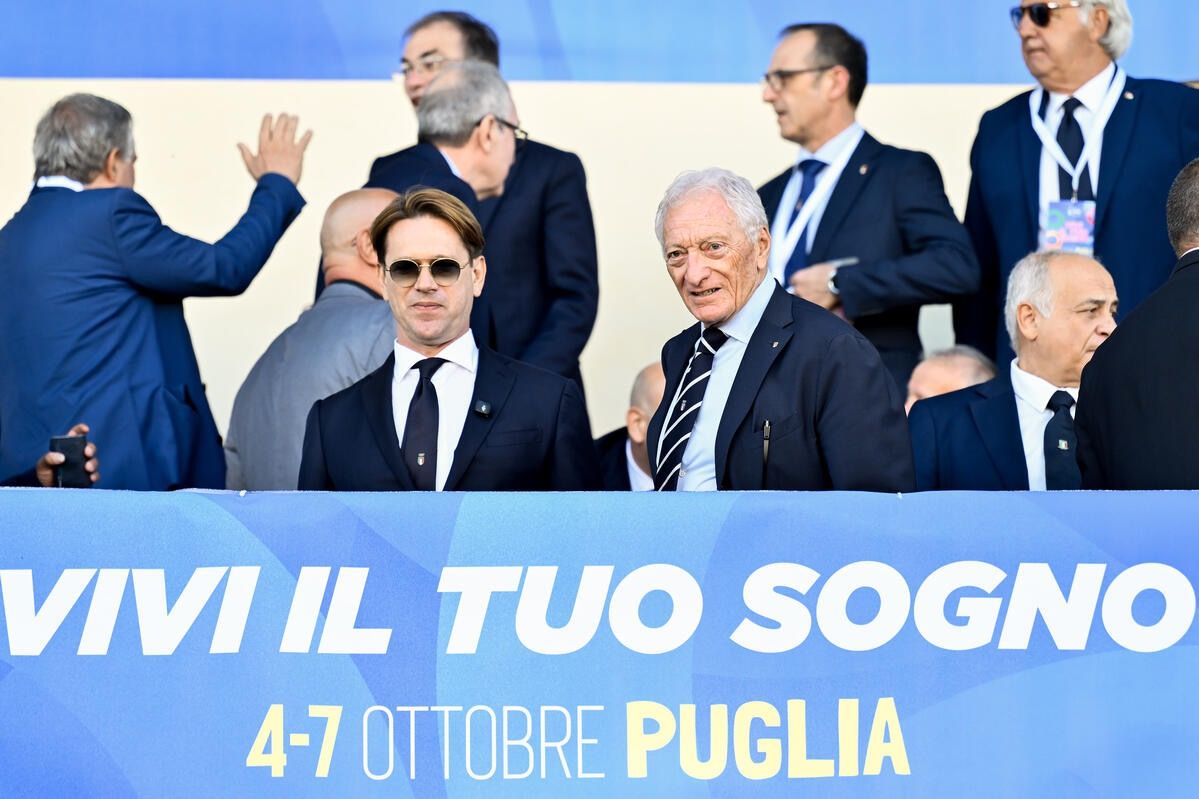
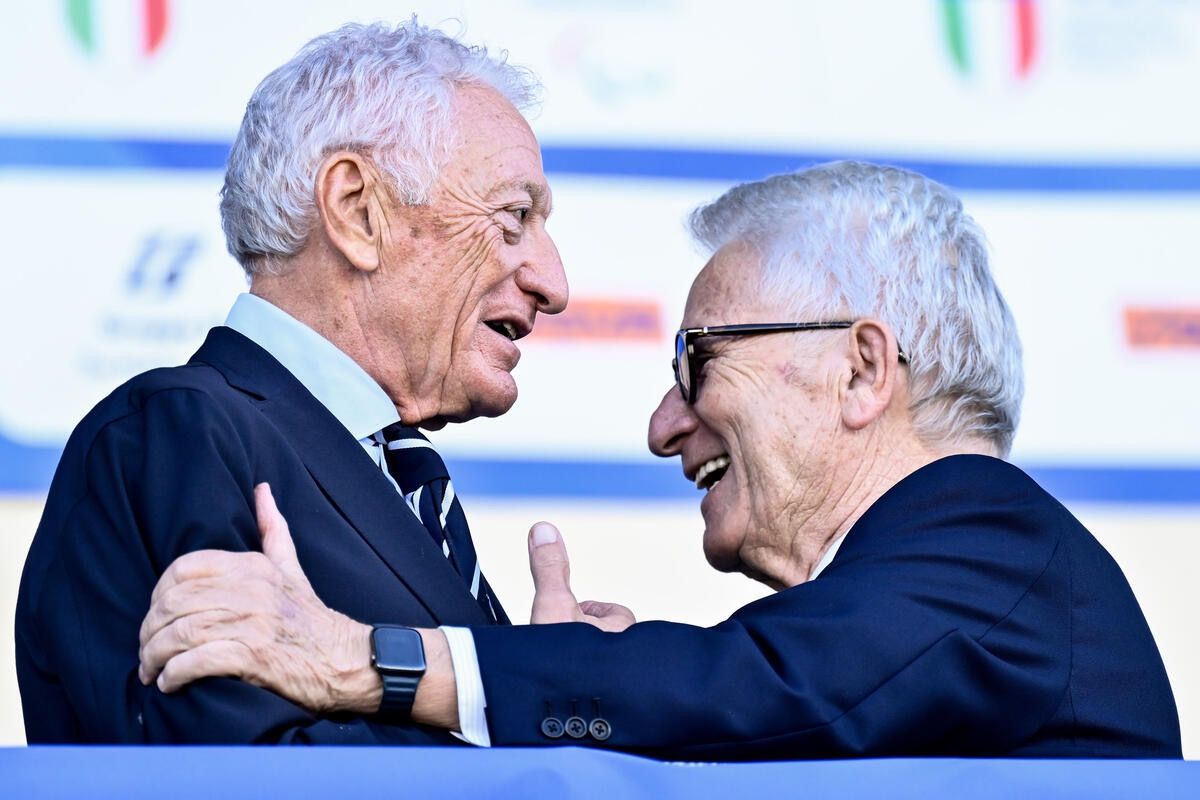
The authorities attending the opening ceremony (photos by Mattia Martegani and Andrea Masini/CONI) included representatives of national, regional and local institutions, as well as numerous leading figures from the world of sport. Institutional representatives included CONI President Luciano Buonfiglio, Italian Paralympic Committee (CIP) President Marco Giunio De Sanctis, CIP Secretary General Simone Rasetti, Vice President of the Puglia Region and Regional Councillor for Welfare, Sport and Youth Policies Cristian Casili, Mayor of Bari Vito Leccese, Mayor of Castellaneta Giambattista Di Pippa, Ministry of Foreign Affairs and International Cooperation representative Giovanni De Vita, Senator Filippo Melchiorre and Members of Parliament Mauro D’Attis and Gianmauro Dell’Olio.
The National Sports Federations were also strongly represented, with Presidents Giorgio Viscione (FIM), Riccardo Bergamini (Federkombat), Sergio Mignardi (FIH), Vittorio Polidori (FITArco) and Carlo Beninati (FIBa), alongside Gianfranco Ravà, Extraordinary Commissioner of the Italian Cricket Federation. CONI National Board member Marco Riva and numerous other Presidents of CONI Regional Committees were also in attendance.
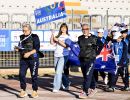
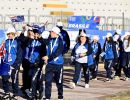
The opening ceremony was preceded by a musical performance from the Militia Sancti Nicolai, before the delegations took centre stage. The parade was led by the Italian Communities Abroad, while the team representing the host region, Puglia, brought the procession to a close. Alla Bua then stole the show with a performance of the traditional Salento pizzica dance, after which Luca De Tullio, winner of the men's 800m freestyle swimming event at the Taranto 2026 Mediterranean Games, and Vittoria Bianco, Paralympic champion in the women's 4x100m freestyle 34-point relay at Tokyo 2020, entered the stadium carrying the Italian flag. With the Italian national anthem, Il Canto degli Italiani, playing, the flag-raising ceremony took place to the music of the Fanfare Band of the Italian Air Force Schools Command and Third Air Region.
The institutional addresses then got under way. “It is an honour to host the Trofeo CONI,” said Angelo Giliberto, President of CONI's Puglia Regional Committee. “Today, we are watching the future of our country parade before us. This is a tremendous educational experience, a meeting place for different regions, cultures and stories. We want each and every one of you to take home not only memories of the competitions, but above all an appreciation of what people can give to one another”.
“It is an incredibly emotional occasion. Bari and Puglia will be your home. Sport is a continuous relay: someone passes on a legacy to us, and it is up to us to decide how to carry it forward with respect and discipline. Here, you learn to respect those competing alongside you,” added Bari Mayor Vito Leccese.
Cristian Casili, Vice President of the Puglia Region and Regional Councillor for Welfare, Sport and Youth Policies, then took the floor: “A huge amount of commitment and hard work has made this Trofeo CONI possible. We are delighted that you will have the opportunity to experience our region. Sport brings people together, encourages positive and genuine exchanges, and fosters unity and cohesion”.
Giovanni Maria De Vita, representative of the Ministry of Foreign Affairs and International Cooperation, added: “Sport is a tool of diplomacy and a means of strengthening the ties between Italy and its communities abroad. This will be a great Trofeo CONI”.
The speeches concluded with an address from CIP President Marco Giunio De Sanctis: “We often talk about cohesion and integration, but just as often they remain mere words. The Trofeo CONI has turned words into action. We are proud to be part of it, and our involvement will continue to grow. The CIP will always work in step with CONI”.
He was followed by CONI President Luciano Buonfiglio: “Thank you. You are a wonderful force of nature. This evening will never be forgotten. This is what a winning Italy looks like. An Italy of girls and boys who lead healthy lifestyles. Our commitment is to lead by example. I am certain that many of you will go on to compete at the Olympic and Paralympic Games. Yours is a journey through life built on determination, honesty and self-belief. Sport is based on merit, and what matters is giving everything we have. I care deeply about you all”.
An artistic aerial hoop performance by Wonderland Pole and Aerial Studio then preceded the oath-taking ceremony for athletes, coaches and judges. Torchbearers Antonella Palmisano – the only woman from Puglia in Italian history to have won an Olympic gold medal, in the women's 20km race walk at Tokyo 2020 – and Gianluca Iacus – silver medallist in the R5 event at the Lima 2023 World Para Shooting Championships – lit the cauldron, before CONI President Luciano Buonfiglio officially declared the 11th summer edition of the Trofeo CONI open.
Trofeo CONI: allo Stadio della Vittoria di Bari va in scena la cerimonia di apertura



Atlanta confirmed as first US stop with Olympic Torch Relay to visit all 50 US states
- ROAD TO LOS ANGELES 2028
The LA28 Olympic Torch Relay will travel across all 50 US states, beginning with a highly symbolic arrival in Atlanta, host of the last Olympic Games held in the US 30 years ago, connecting the legacy of the 1996 Games with the enthusiasm of LA28.
After the Olympic flame is lit in Ancient Olympia, Greece, and carried on a short relay across the country, it will be handed over at the historic Panathenaic Stadium in Athens before embarking on its journey across the US towards the LA28 Olympic Games.
From Atlanta, the Relay will pass iconic landmarks and visit a number of cultural and sporting events, with special celebrations planned in selected cities.
“Every Olympic Games begin with a single flame, and transporting that flame to Los Angeles is an honour and privilege that we'll share with every corner of the country, as Americans in all 50 states carry the flame on its path to our Opening Ceremony” said Casey Wasserman, LA28 Chairperson and President.
Atlanta Mayor Andre Dickens shared his excitement for the Olympic flame returning to the city. He said: “Thirty years ago, Atlanta welcomed the world. The 1996 Centennial Olympic Games changed this city. They introduced a modern Atlanta to billions of people across the globe and proved we could compete on the biggest international stage”.
“Thirty years later, Atlanta looks a little different. We are bigger. We are more connected to the world. So, when the flame returns to the US, Atlanta will be ready. Ready to welcome it from Greece. Ready to celebrate the spirit of the Games together as a community. And ready to send it forward toward Los Angeles and the next chapter of America’s Olympic story. Atlanta was proud to carry that flame in 1996. We will be proud to welcome it back” said Atlanta Mayor Andre Dickens.
Both the LA28 Olympic and Paralympic Torch Relays will be supported by Presenting Partners, including Worldwide Olympic Partners Coca-Cola and JPMorganChase.
The full route will be announced in 2027, ahead of the Relay beginning in spring 2028 and concluding at the Opening Ceremony of the LA28 Olympic Games.
Atlanta’s Olympic connection extends beyond the 1996 Games. The city is also home to Coca-Cola, the longest-standing partner of the Olympic Movement. Its relationship with the Olympic Games began in 1928, meaning the flame’s arrival will coincide with the centenary of that partnership.
Further details about participating cities, torchbearer nominations and other Relay activities will be announced in the coming months.
The LA28 Olympic Games will take place from 14 to 30 July 2028, followed by the Paralympic Games from 15 to 27 August 2028.
Mornati leads delegation to Los Angeles ahead of the 2028 Games
- ITALIA TEAM
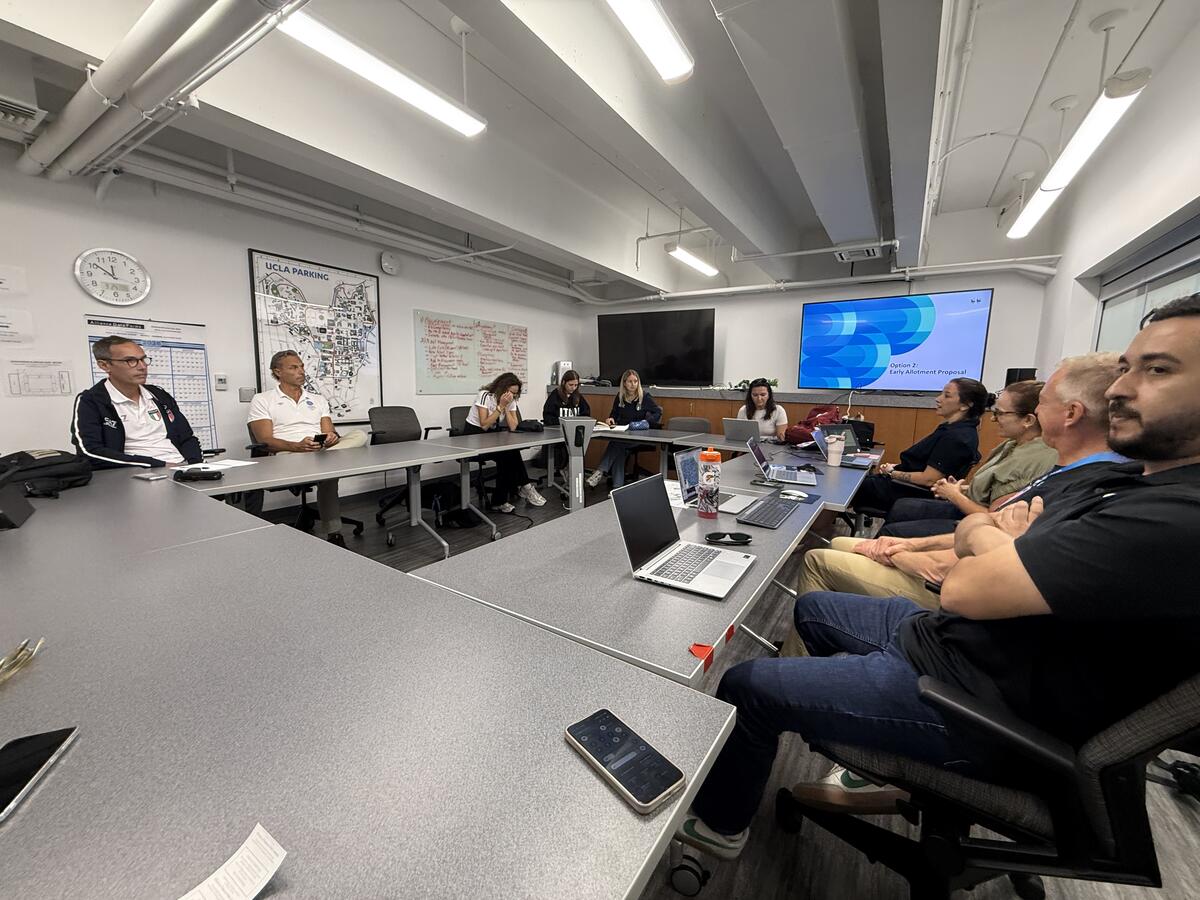
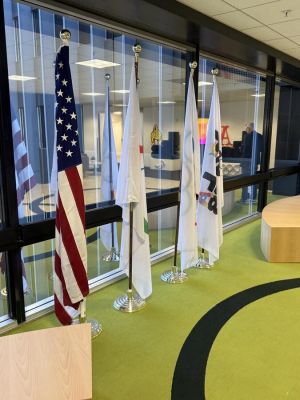
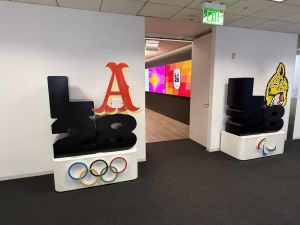
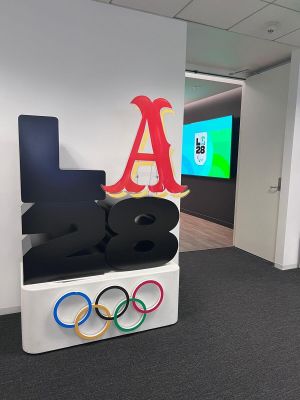
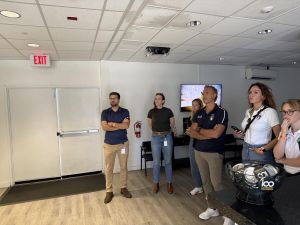
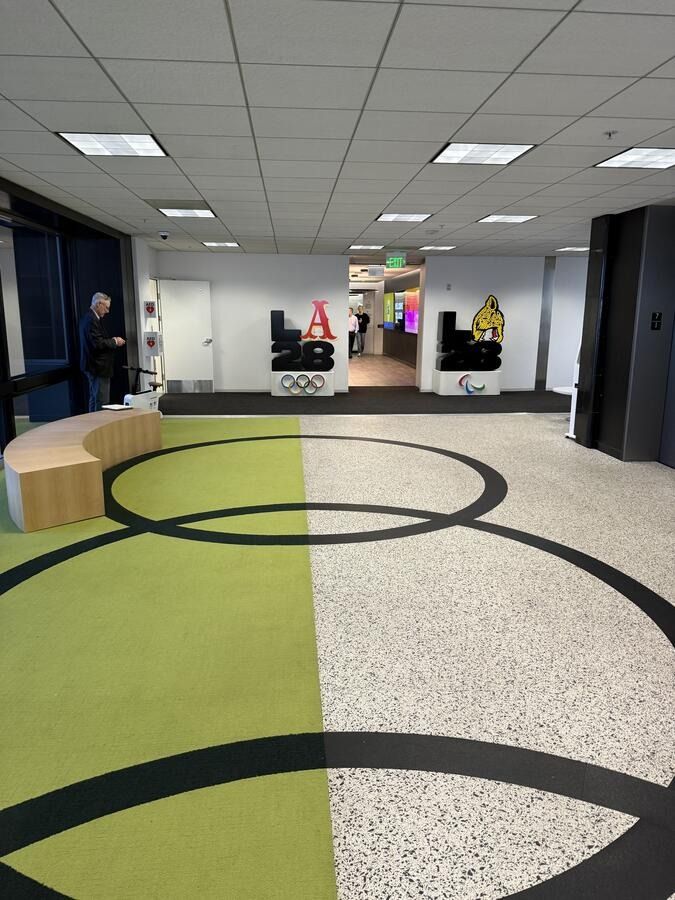
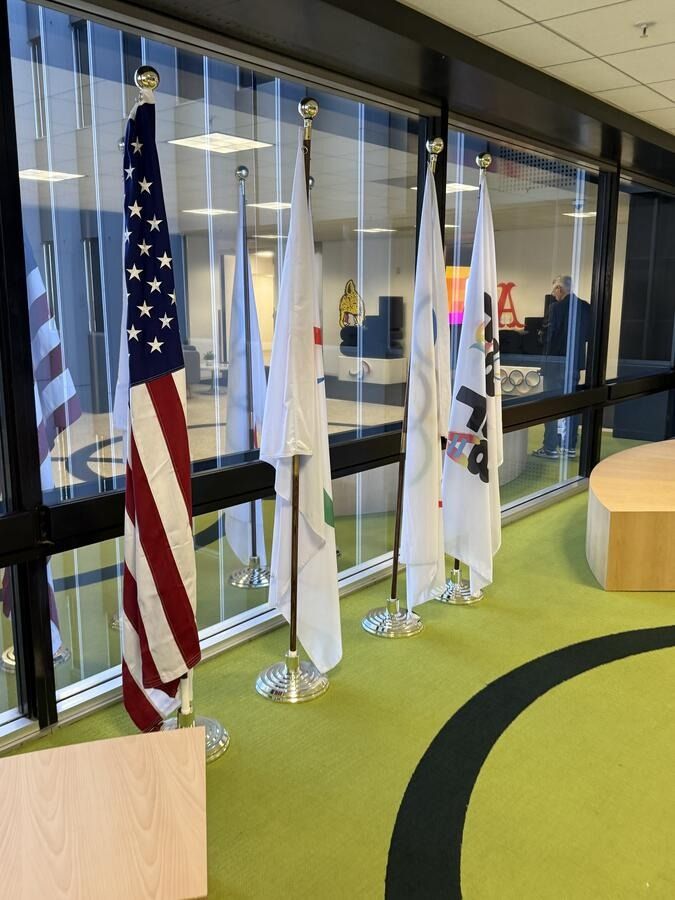
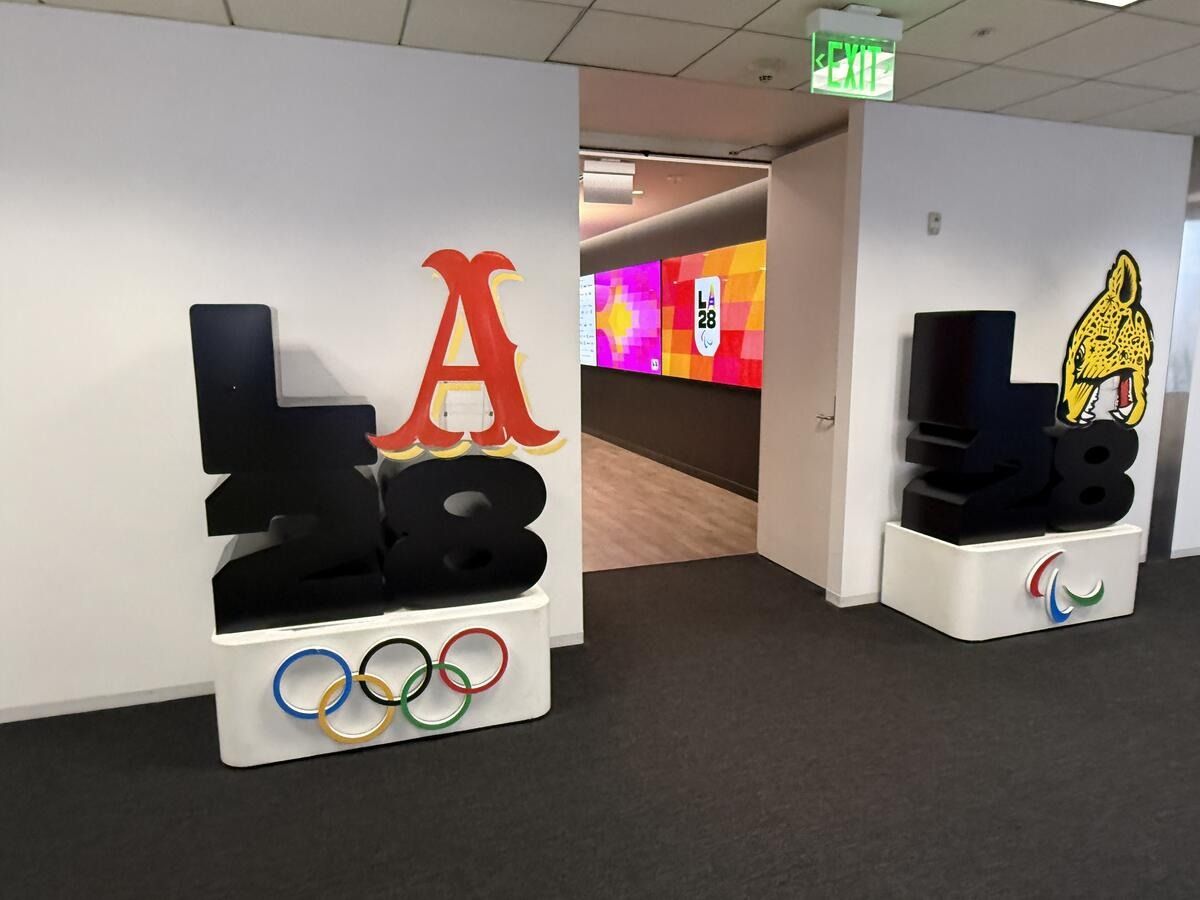
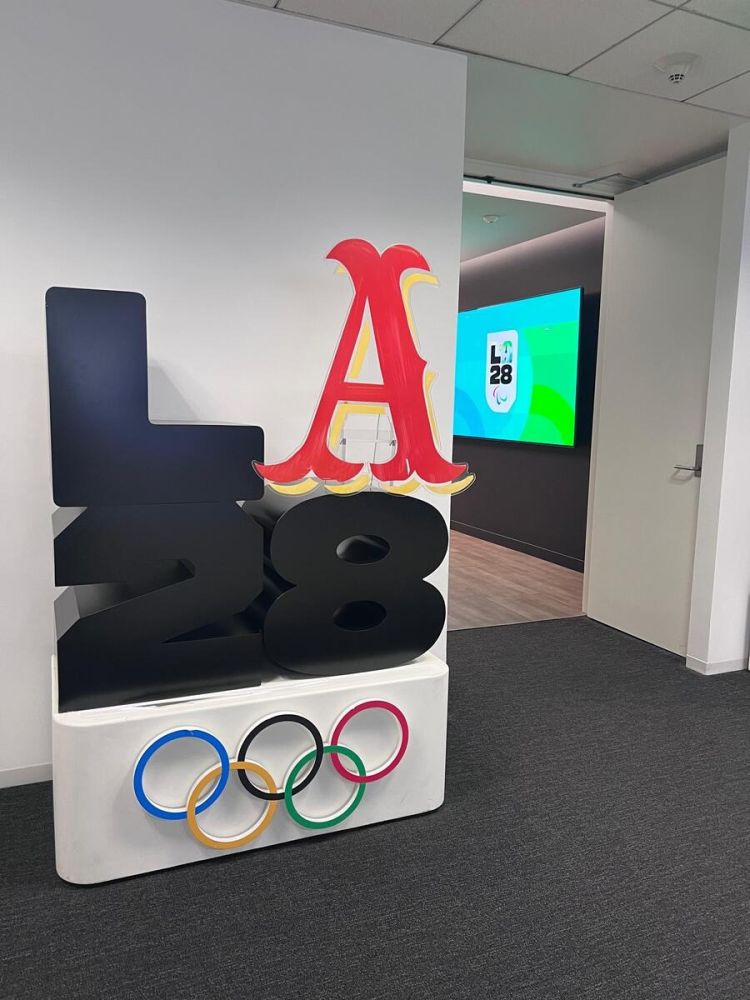
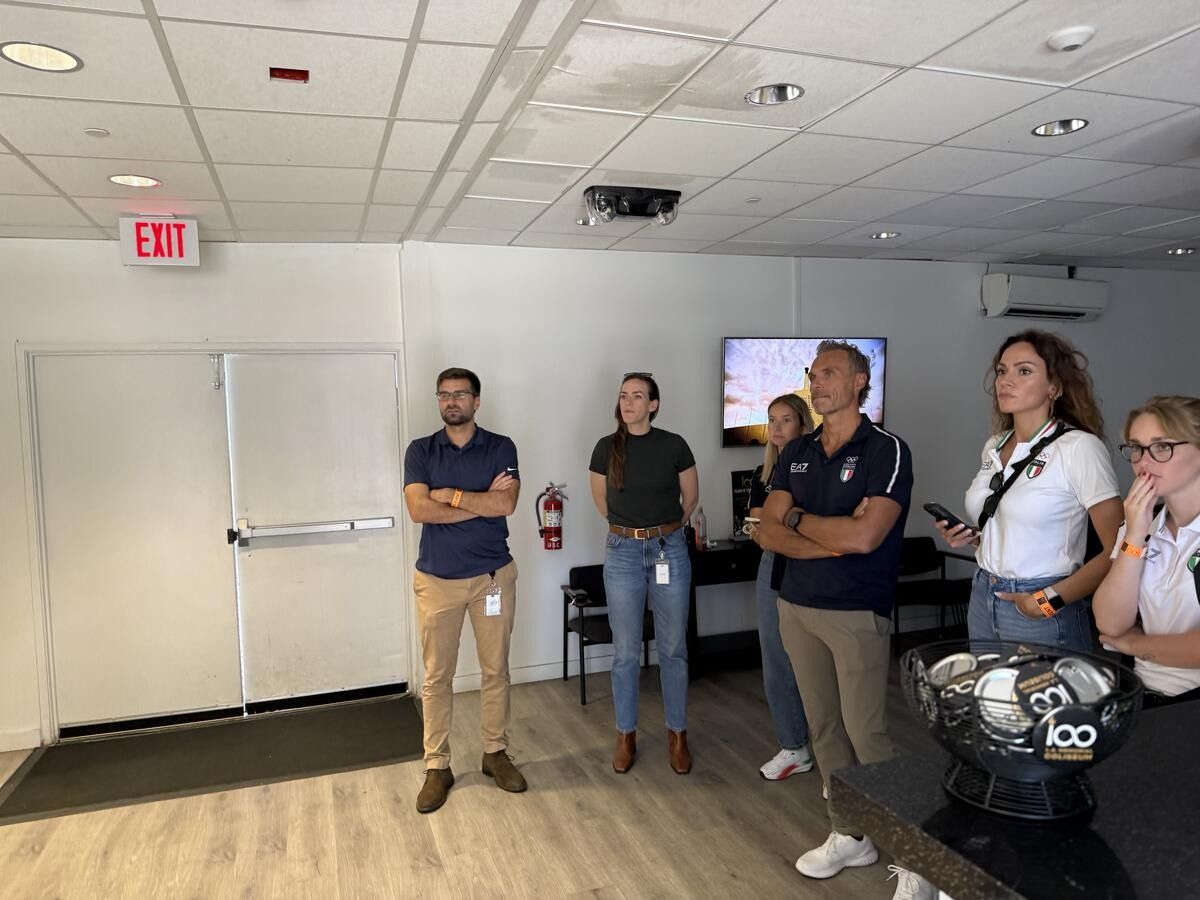
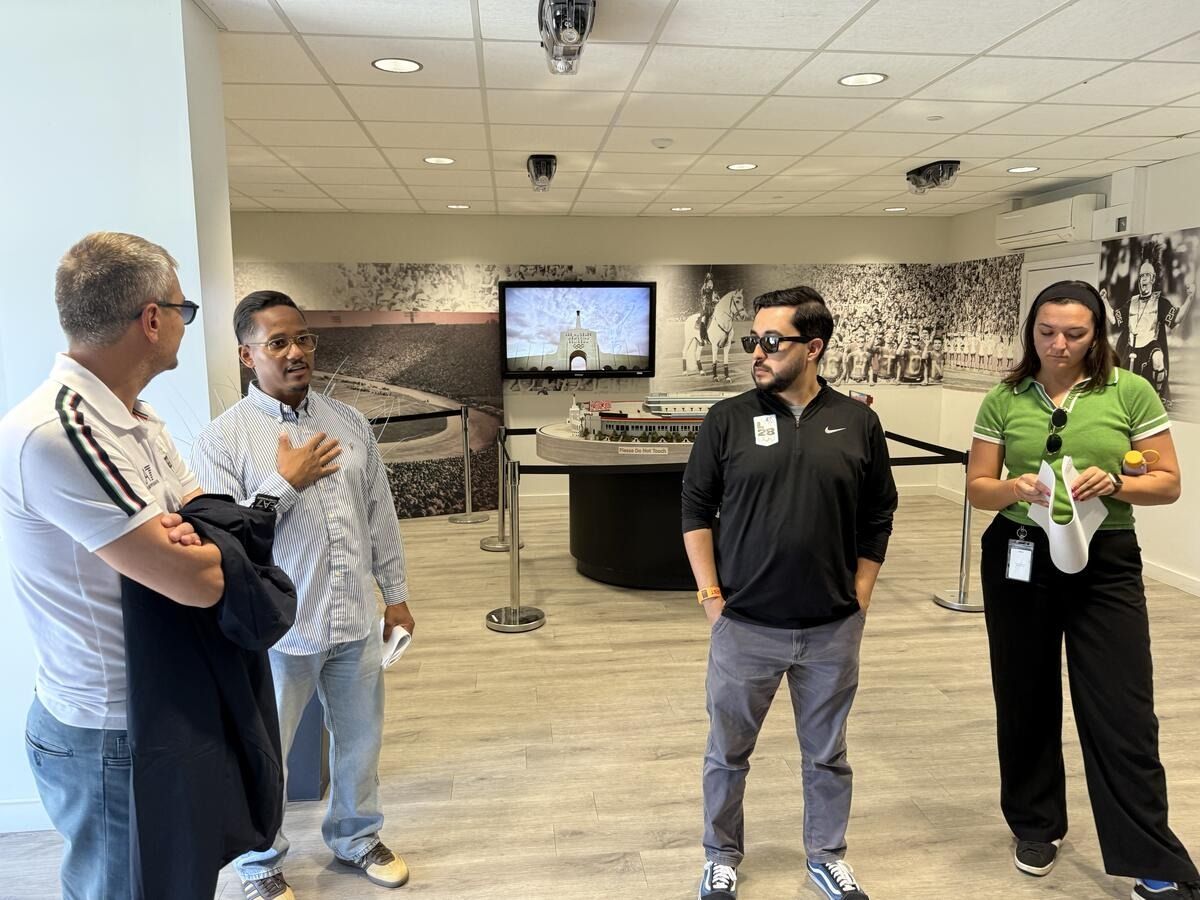
A week of meetings and site visits in preparation for the 2028 Olympic Games has concluded in Los Angeles. The delegation from the Italian National Olympic Committee, led by Secretary General Carlo Mornati, took part in a series of operational meetings and visits focused on preparing Italia Team’s participation in the next edition of the Summer Games.
The programme included two days of bilateral meetings at the LA28 Headquarters, during which the Italia Team staff held in-depth discussions with the Organising Committee on some of the key areas of Olympic planning, including accommodation, transport and accreditation procedures. The following day, discussions continued with presentations focusing on sport, medical matters and healthcare services, examining further operational issues linked to the preparation and support of the Italian delegation during the Games.
Alongside the technical meetings, the delegation, which included Alessio Palombi, Head of the Olympic Preparation Office, and other members of his Office, carried out site visits to some of the venues that will host competitions in 2028.
These included the Los Angeles Memorial Coliseum, which will host the athletics competitions and will also be involved in the Olympic ceremonies, and the Carson Velodrome, which will stage the track cycling events. The Coliseum, already a key venue at the 1932 and 1984 editions, will in 2028 become the only stadium in history to have hosted Olympic athletics competitions at three different editions of the Games.
On Thursday, the delegation also visited the UCLA campus, which in two years’ time will host the Olympic Village. The visit was accompanied by a series of meetings with the Organising Committee, aimed at gaining a deeper understanding of the characteristics of the different areas of the campus and identifying the accommodation best suited to the needs of the Italian team, ahead of the stay of Italia Team athletes and staff during the Games.
During the week, a number of additional potential training camps outside the Olympic Village were also inspected, continuing the assessment of the available facilities and logistical solutions with the aim of identifying the option best suited to the needs of the Italian team ahead of the Games.
The stay in Los Angeles also provided an opportunity to assess several options for Casa Italia, CONI’s hospitality house that traditionally accompanies Italia Team during the Olympic Games. The 2028 edition will carry particular symbolic significance: Casa Italia was in fact first established in Los Angeles for the 1984 Olympic Games, marking the beginning of a project that over the years has become one of the distinctive features of Italy’s presence at the Olympics.
The meetings, site visits and technical inspections carried out during the week therefore represent a further step on the road to Los Angeles 2028, with the aim of planning well in advance the logistical, organisational and sporting aspects of Italia Team’s presence and creating the best possible conditions for athletes and staff during the Games.
Delegazione CONI a Los Angeles per preparare i Giochi del 2028



Dakar 2026 medals unveiled: a story of Senegal from ancient roots to a vision of the future
- YOUTH OLYMPIC GAMES
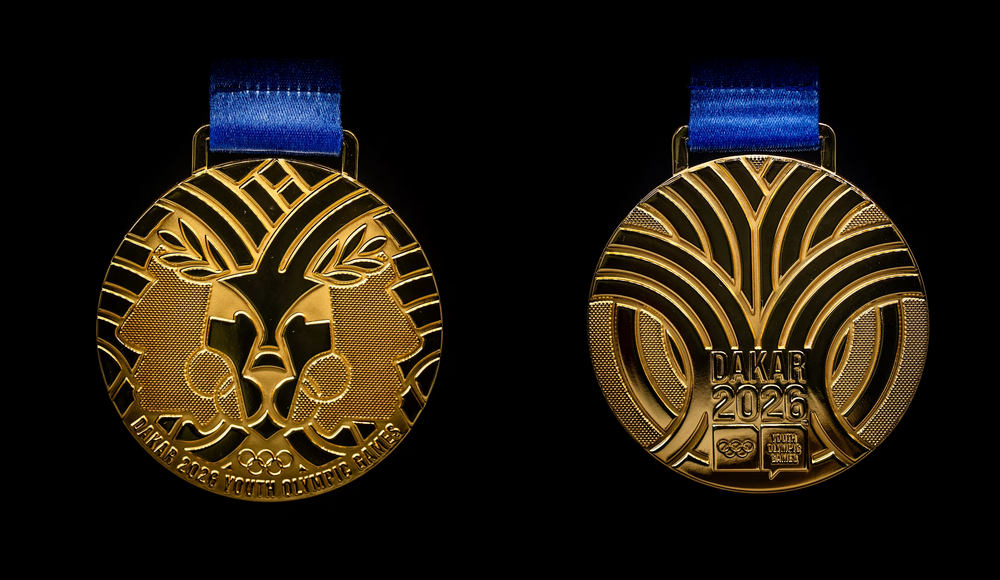
Winning a medal in a competition is probably the ultimate goal for any athlete. It rewards years of hard work, sacrifice and perseverance. For the young champions of the Dakar 2026 Youth Olympic Games, it will also hold special significance. For the first time in history, an Olympic sporting event is being held on the African continent. The medals awarded to the winning athletes at this unprecedented edition have therefore been designed to tell the story of Senegal, its heritage and its youth. On Wednesday 16 September, the medals for the 2026 Dakar Youth Olympic Games were unveiled to the public. On both sides of the medals, several symbols complement one another: the lion and the baobab tree, directly inspired by Senegalese culture, as well as motifs specific to the Olympic movement.
On the obverse of the medal, the lion takes centre stage. An iconic symbol of Senegal, the lion is commonly associated with strength and courage, two essential qualities in sport. Its mane consists of two faces inspired by Senegalese craftsmanship. Arranged symmetrically, they represent fairness, a fundamental principle of sporting competition. Each face is crowned with an olive wreath. In Olympic tradition, this is a symbol of victory, peace and excellence. It is a direct reference to the history of the Olympic Games. This design was developed following a global call for proposals launched by the International Olympic Committee. Named ‘The Roar of Youth’, this striking motif was conceived by the 26-year-old Spanish designer Pilar Barbadillo Vicario.
On the reverse side, another iconic symbol of Senegal appears: the baobab. An emblematic tree of the ‘Land of Teranga’ and, more broadly, of the entire African continent, it evokes strength, longevity, wisdom and the passing on of knowledge. In this context, the baobab also echoes the idea of a youth that is growing and building itself up from its roots. On this side of the medal, the baobab takes on a contemporary graphic style, echoing the original design on the obverse. Its roots and branches unfurl in curves and counter-curves, as if to give the tree a sense of movement and elevation. These lines also evoke cables, alluding to new technologies and connectivity in the digital age. The ancient baobab tree is thus transformed into a connected structure. A dialogue between Senegalese heritage and modernity. To create this design, a competition was organised in partnership with the National School of Arts of Senegal.
The overall motif on both sides of the medals thus conveys a balance between deep roots and forward momentum. Between heritage and the future. The design of the medals also forms part of a broader theme: “From History to the Future”. This theme creates a dialogue between Senegal’s heritage and its ambitions for future generations. It serves as a reminder of the importance of understanding one’s history whilst building the future. This convergence of nature and innovation reflects the very ambition of the Dakar 2026 YOG: to celebrate Senegal’s history and culture whilst looking to the future. The medal thus becomes a symbol of a youth firmly rooted in its heritage, yet ready to make history. The medals for the Dakar 2026 YOG will accompany the young athletes onto the podium as their achievements are celebrated. But they will also carry a piece of the history of the host country and of the continent where humanity first emerged.
Page 6 of 146