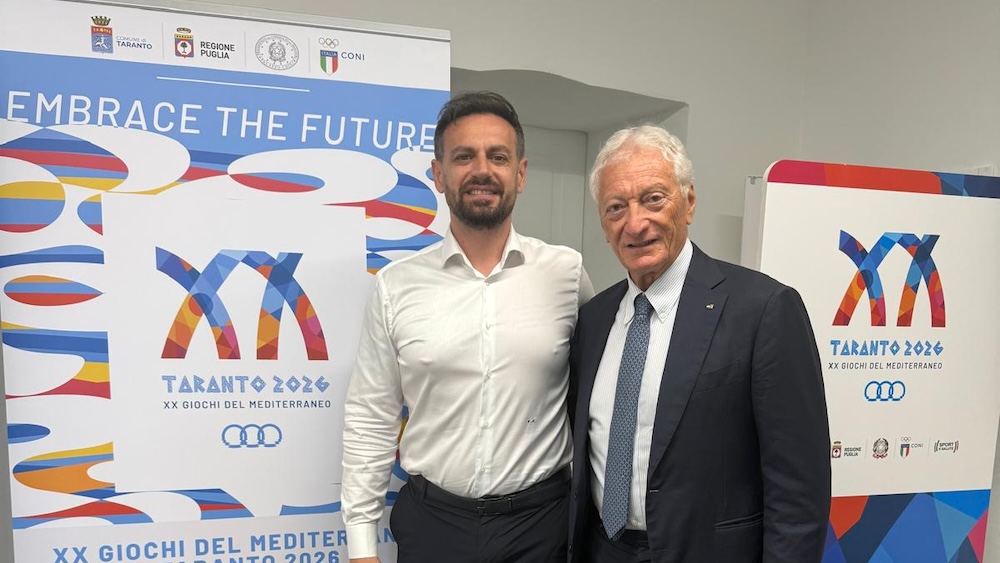
Taranto 2026 medals unveiled 50 days before the event. Buonfiglio: “We will once again be at the centre of the world”
- MEDITERRANEAN GAMES
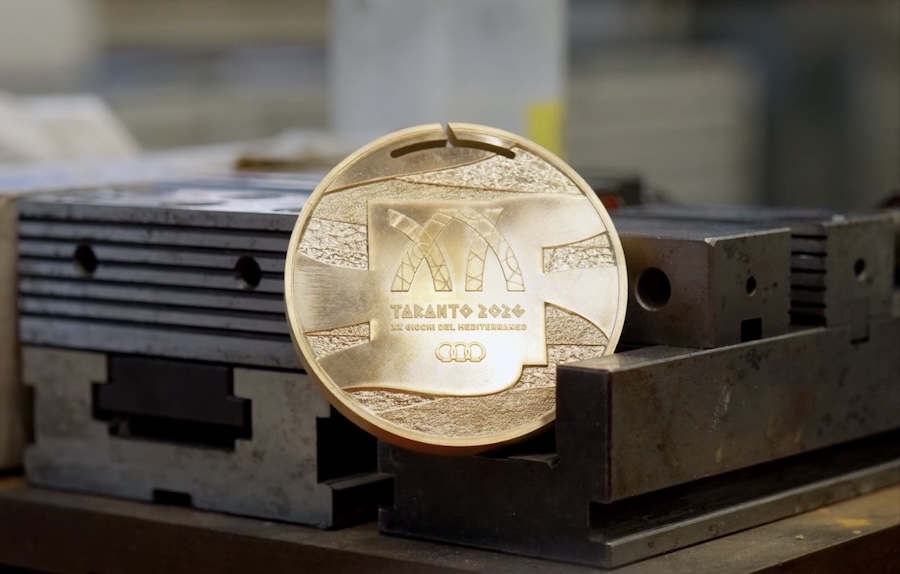
The medals for Taranto 2026 have been officially unveiled 50 days before the Opening Ceremony of the Mediterranean Games.
Produced by the Italian State Mint, the medals for the event, scheduled to take place from Friday 21 August to Thursday 3 September, symbolise sporting achievement and, through their design, convey the values of encounter, dialogue and sharing among the peoples of the Mediterranean. The awards for those who step onto the podium have been created to express the bond between the host city, the sea and the cultures that have met along its shores for millennia. On one side stands the Games logo, with the two “X”s of the Roman numeral 20 transformed into anthropomorphic shapes inspired by the lines of the Monument to the Sailor, a symbol of Taranto and an ideal reference to the embrace between peoples. The graphic composition recalls land and water sports through textures and reliefs that evoke movement and dynamism. Made of brass, with a diameter of 80 millimetres, the medals feature gold, rhodium and copper finishes, corresponding respectively to first, second and third place. They are symbolic objects that encapsulate the spirit of the Games and the deep bond between Taranto and the Mediterranean.
CONI President Luciano Buonfiglio attended the presentation ceremony at the headquarters of the Ionian Department of the University: “The construction site of sport does not close: after Milano Cortina 2026, there are the Mediterranean Games. These events place us at the centre of the world and show that Italy is the second leading country in the organisation of major events, a sign of our capability. Our aim is to increase young people’s participation in sport. Thanks to the facilities that have been built and the work of everyone involved, we will be ready for the event. What matters is reaching the start line. These will be the fourth Mediterranean Games hosted by Italy: today I have truly understood what Taranto means”.
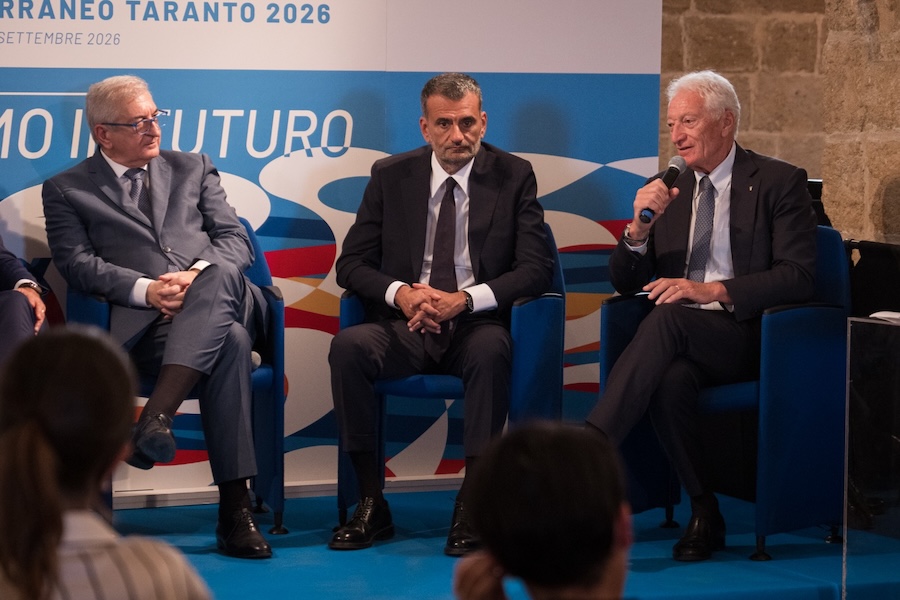
“The Mediterranean Games are won together,” added the Minister for Sport and Youth, Andrea Abodi. “These 50 days will be no different from the previous 49, because the work began some time ago. In addition to financial resources, passion, expertise and dedication are needed. The spirit of these Games is to win together. We are thinking about the Games, but we are also thinking about 4 September, about what will remain, about the legacy and the lasting assets we have made available to the communities of Puglia. Italy is capable of hosting the world and of ensuring progress driven by a sporting event, but which then becomes culture, opportunity for young people and development for the territory”.
Tommaso Foti, Minister for European Affairs, Cohesion Policy and the NRRP, then said: “The Games will open on 21 August and there is already wonderful news: the Erasmo Iacovone Stadium will be sold out. I feel sorry for those who will not be able to see the Opening Ceremony in person at the stadium, but Rai will be there. It will be an event that will bring great prestige to the city of Taranto, which fully deserved it. This is a place that must be represented for what it truly is, with its history, traditions and customs”.
Massimo Ferrarese, President of the Taranto 2026 Organising Committee, said: “We are about to complete the major works. The Government has given us the opportunity to work with peace of mind, and for this I thank Prime Minister Giorgia Meloni and Ministers Tommaso Foti and Andrea Abodi, who have always stood by us. We started with the decree of August 2024 and, in 22 months, we have reached the finish line. We are satisfied with the swimming pools, the Iacovone Stadium and all the other works, without forgetting anyone”.
“The medal is the symbol of an event of this kind. Its size and weight were important, because every athlete must remember all the sacrifice they have made while wearing it” concluded Carlo Molfetta, Director General of Taranto 2026.
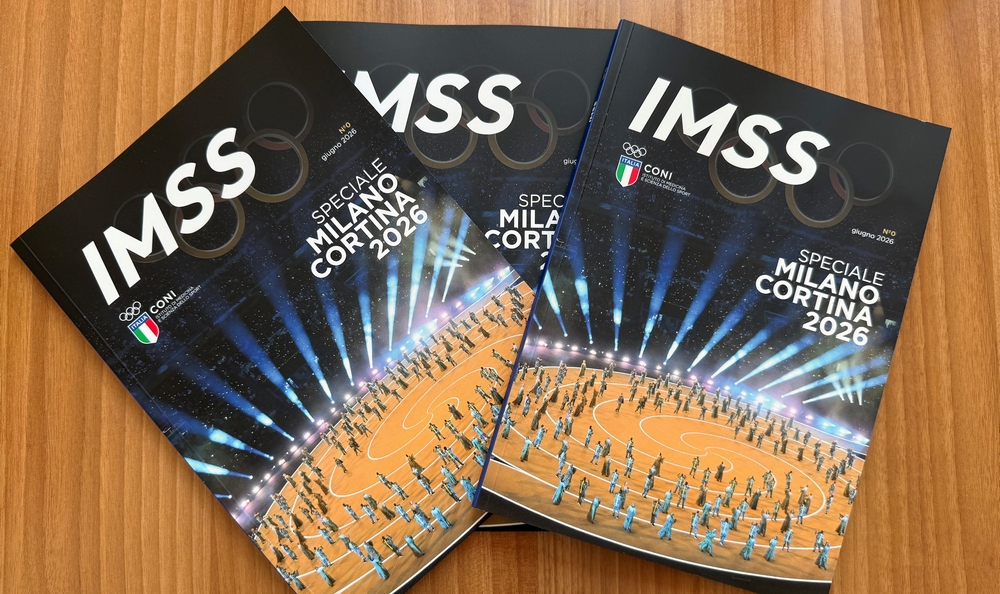
The journal of the Institute of Sport Medicine and Science is launched: issue 0, dedicated to the Milano Cortina Games, is now online
- THE NEW PUBLICATION
A forum for debate, dissemination and in-depth analysis; a place to share knowledge and experience acquired in the field and to encourage reflection on the future of sport. This is the aim behind the launch of the new six-monthly IMSS journal, published by CONI’s Institute of Sport Medicine and Science.
Issue 0, available in digital format at rivistaimss.coni.it, is devoted entirely to the Milano Cortina 2026 Olympic Games. It features interviews with the four Italian flagbearers from the latest edition of the Games — Federica Brignone, Arianna Fontana, Amos Mosaner and Federico Pellegrino — along with a wide range of content and in-depth features on the most recent five-ring event: the complex organisation of Olympic preparation, athletes’ health protocols, the technical aspects of winter sports, the importance of performance monitoring and analysis, and the key role of education and research.
“I am truly pleased and proud to launch the new journal of the Institute of Sport Medicine and Science, an ideal forum for education and the dissemination of culture. Today, the IMSS is both a centre of excellence for sports medicine and a point of reference for athletes’ health and injury prevention, providing a wide range of services. This new tool represents a valuable space in which to reflect on health protection, the value of science and the importance of education, as we work together to build the future of Italian sport” said CONI President Luciano Buonfiglio.
“CONI’s Institute of Sport Medicine and Science is one of the organisation’s most prestigious assets, capable of bringing together dreams, objectives and results. It turns perspectives into action, thanks to the expertise and experience of those who honour its mission. It is the element of continuity that ensures consolidated standards are upheld, offering healthcare, educational pathways and technical-scientific support. That is why we are proud of this new editorial initiative, which is intended to leave a tangible record of what is built day after day, with the aim of honouring tradition while enhancing it through innovation” declared Carlo Mornati, CONI General Secretary and editor-in-chief of the journal.
“The journal has been created with a clear objective: to share the experience and knowledge acquired in the field across the IMSS’s various areas of expertise, not only through figures and activities, but through the vision that guides daily choices, the institutional mission that shapes its priorities and the public responsibility that accompanies every clinical, scientific and educational intervention. With this journal, we want to create a space for debate, dissemination and in-depth analysis; a place to encourage broader reflection on the future of sport, the protection of health, the value of applied science and the importance of highly qualified training for the various professionals working in sport,” explained Giampiero Pastore, Director of CONI’s Institute of Sport Medicine and Science and editorial director of the journal.
Roma Basket Club chooses the 'Giulio Onesti' Olympic Preparation Centre as its training base
- CONI
A significant new step in the growth of Roma Basket Club, the new franchise being established in the Italian capital under the ownership of Luka Dončić and Donnie Nelson, as it prepares for its debut season in the Italian Serie A championship.
The club will use the 'Giulio Onesti' Olympic Preparation Centre at Acqua Acetosa as its primary training base during its inaugural season, thanks to an agreement currently being finalised that aims to create a strategic partnership between CONI and the new Roman basketball organisation.
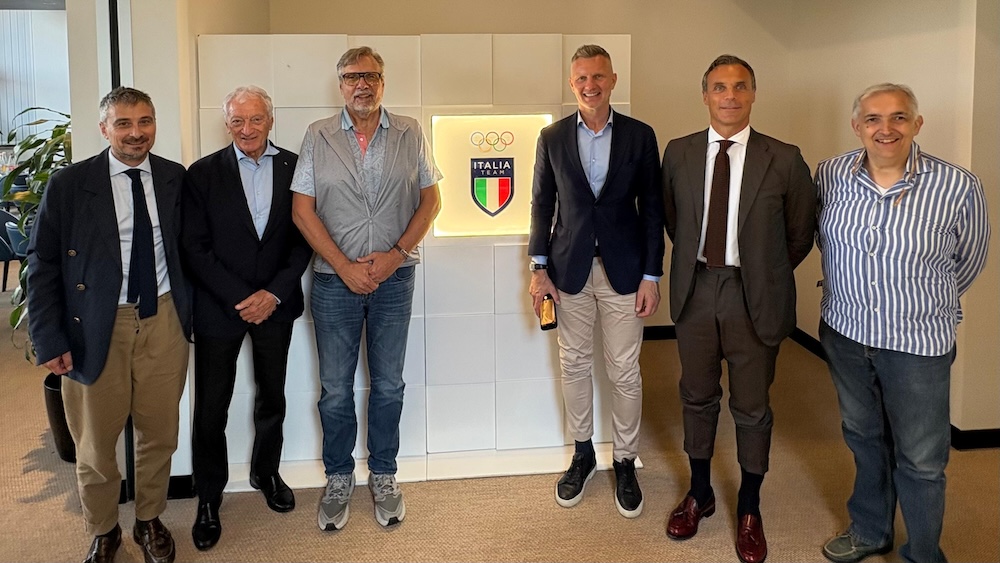
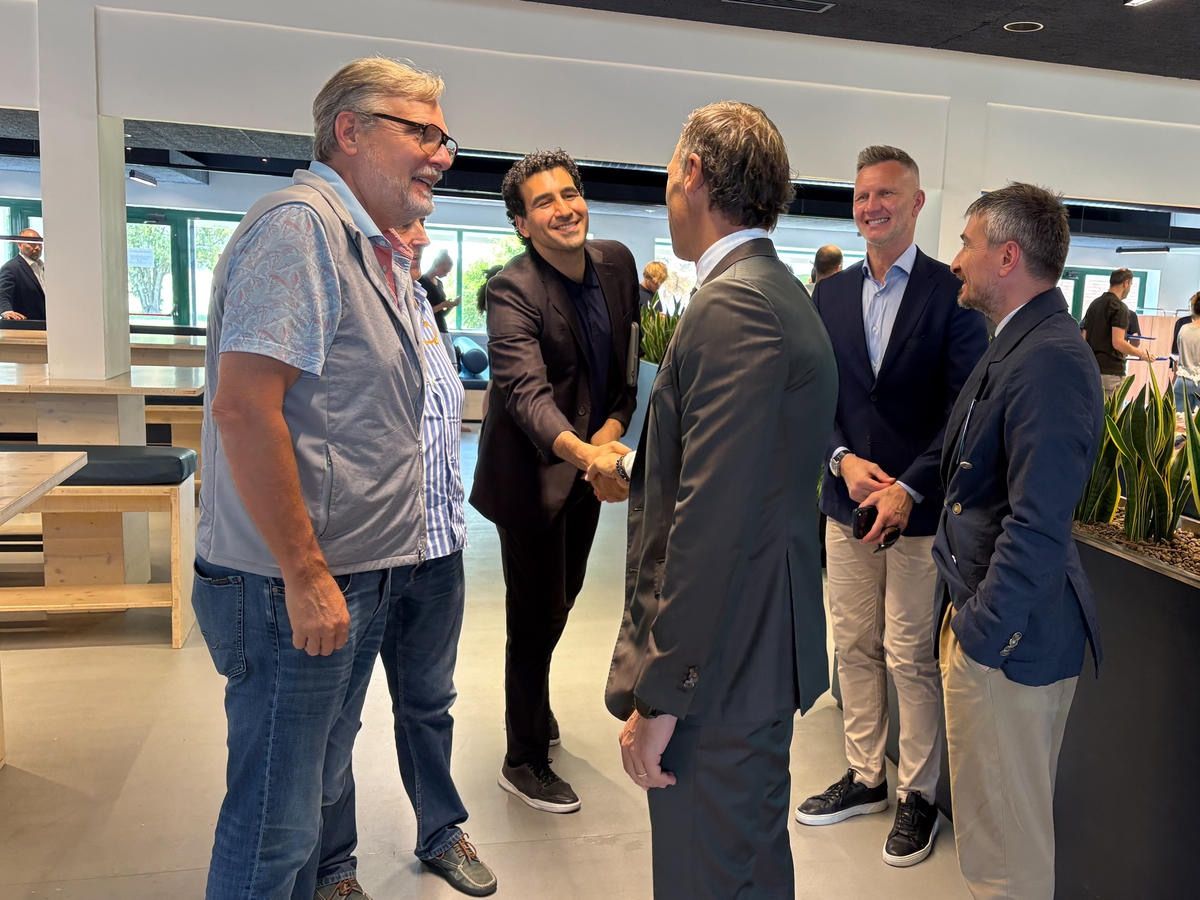
The agreement was formalised today at the 'Giulio Onesti' Olympic Preparation Centre during a meeting attended by CONI President Luciano Buonfiglio, General Secretary Carlo Mornati, Head of the Olympic Preparation Centres Alessio Palombi and Roma Basket Club co-owner Donnie Nelson, accompanied by Rimantas Kaukenas, who is expected to assume a leading role within the club’s sporting department, and Roberto Carmenati.
The decision represents an important recognition of the excellence of CONI’s Olympic Preparation Centre, which has long been a benchmark for high-performance sport at both national and international level. The partnership is also expected to extend to the medical and scientific field through the involvement of CONI’s Institute of Sports Medicine and Science, which will be able to provide the club with world-class expertise and services in athlete health protection and performance optimisation.
The agreement is designed to develop positive synergies between the Italian sporting system and an ambitious new force in domestic basketball. The collaboration aims to support the growth of Italian basketball through the sharing of expertise, methodologies and high-performance services, contributing to the development of young talent, raising the competitiveness of the entire system and, in a broader perspective, strengthening the Italian national team and the wider Italian basketball movement.
La dirigenza del Roma Basket Club al CPO 'Giulio Onesti'



The IOC celebrates Olympic Day, Antonella Palmisano: “I tell young people to be ambitious, to dream”
- THE TRADITION OF 23 JUNE
As tradition dictates, on 23 June the International Olympic Committee celebrates Olympic Day.
The day dedicated to sport, health and the desire to come together was created precisely on the anniversary of the founding of the IOC, on 23 June 1894, when Baron Pierre de Coubertin, at the Sorbonne in Paris, set in motion the revival of the Ancient Olympic Games.
Then, in 1947 in Stockholm, Doctor Gruss, a Czech member of the International Olympic Committee, presented to the 41st IOC Session the idea of a world Olympic day, a day dedicated to celebrating everything the Olympic Movement represents. A few months later, the project was approved at the 42nd IOC Session, held in St Moritz in January 1948.
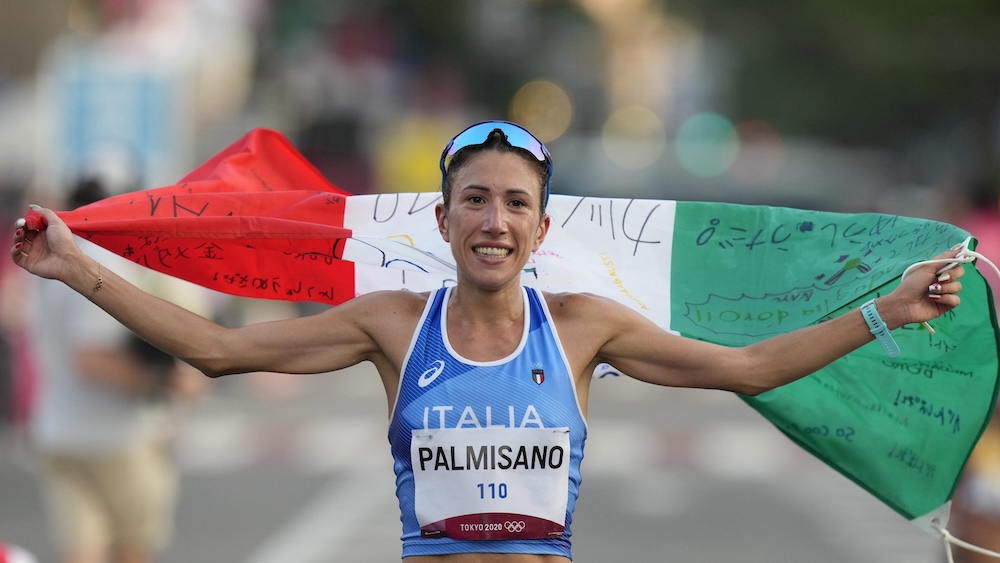
The organisation of the event was entrusted to the National Olympic Committees and today, as every year, CONI is also playing its part. “During a race in my third year of middle school I discovered I was an athlete,” recalls Antonella Palmisano for the occasion (photo ANSA), winner of the 20km race walk at the Tokyo 2020 Olympic Games. “I won the Italian race walking championship. Athletics was no longer just a way to be part of a group. I think that sometimes you need to hit rock bottom in order to rise to the top. I spent entire days crying, but I always managed to get back up. Before Tokyo 2020 I had suffered an injury and I did not even know whether I would be able to take part. And instead I won Olympic gold. I tell young people to be ambitious, to dream. To find the strength to overcome their own limits and build their own future”.
Words closely connected to this year’s Olympic Day theme: “You can do this. Let’s Move”. A simple message whose aim is to encourage young people to take the first step, reminding them that sometimes feeling awkward, imperfect or insecure is entirely normal. “Let’s Move” is an initiative promoted by the IOC in collaboration with the World Health Organization (WHO): research shows that young people face a number of barriers to taking part in sport and physical activity, and that a lack of confidence is one of the factors contributing to this situation.
While the world is moving faster than ever, people are moving less and less: research shows that more than 81% of young people do not reach the recommended daily level of physical activity for optimal mental and physical health. 23 June marks the beginning of a new global movement aimed at finding time to move.
“Sport is for all of us. Whether you are an Olympian, a member of your local community team or running with friends for fun, we all start from the same starting line,” IOC President Kirsty Coventry stressed. “Often, the hardest step is the first one. Every athlete has found themselves in that situation, with those doubts creeping into their mind: ‘Am I ready? Can I do this?’. But when our bodies start moving, our mindset changes too. Confidence grows with every step, we begin to believe in ourselves and, together, we support one another. This is the power of sport: it is not only about what we are physically able to do, but about what we believe we can do. Together”.
Alpes 2030: emblems inspired by mountains and light unveiled
- Winter Olympic Games
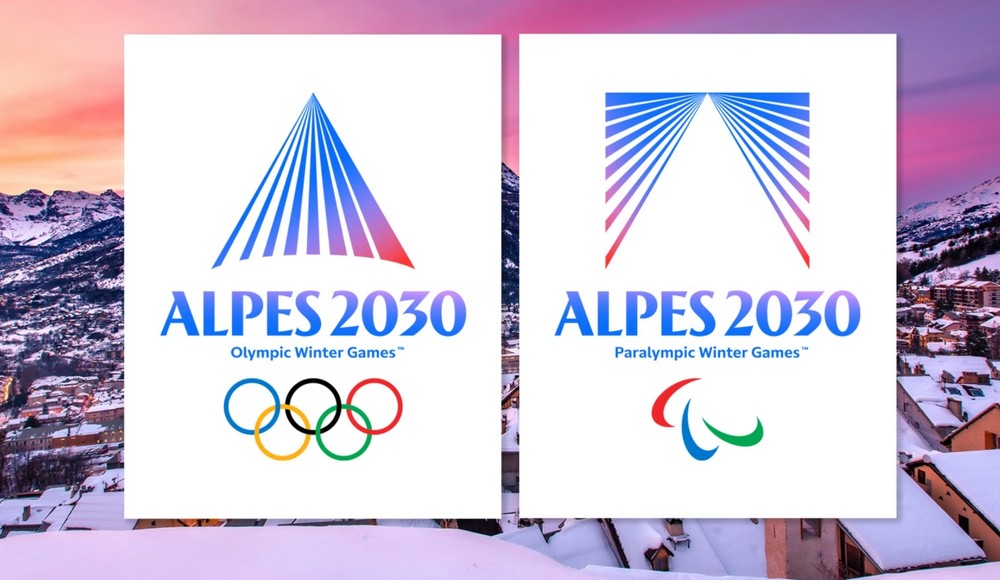
The two emblems of the Alpes 2030 Olympic Winter Games and Paralympic Winter Games, inspired by “a mountain revealed by light,” were unveiled on Thursday.
Together, the two emblems symbolise the mountains and light of the French Alps, forming a unified identity, as explained by Edgar Grospiron, president of the Alpes 2030 Organising Committee.
"The same mountain will unite the Olympic and Paralympic Winter Games in 2030,” he said. “That is why our two emblems were conceived as complementary expressions of the same vision. Together, they embody our ambition: to give Olympism and Paralympism the same place, strength and visibility".
Grospiron also stressed France's rich Olympic hosting heritage, pointing to Chamonix 1924, Grenoble 1968, Albertville 1992 and, most recently, Paris 2024 as shining examples of the country's ability to stage world-class events.
"We know how to organise big events. We've proven it. We have the expertise, the people and the infrastructure," he said, adding that the region's mountains are already among Europe's most popular winter tourism destinations.
The newly unveiled emblems were also warmly received by French winter sports athletes. Double Olympic snowboard cross medallist Chloé Trespeuch praised their clean design:
"I find them very stylish, simple, minimalist and timeless," she said. "They also have a nice story. Those two emblems complement each other, between the Olympics and Paralympics. I can't wait to wear them!".
Meanwhile, double Olympic cross-country skiing medallist Richard Jouve said the designs capture the spirit of the host region.
"Those emblems represent our mountains well. The design and colours are really nice. It's a great way to kick off the Games!".
"Different yet inseparable, they form a whole: one of the Winter Games united by a shared vision, a shared energy, a shared territory and shared values," the Organising Committee said.
Two emblems were chosen — one for the Olympic Winter Games and one for the Paralympic Winter Games — to represent the identity of the next Winter Games in France. They are built around three key elements.
Rays of light reveal the contours of the landscape. They open up a perspective, the promise of clarity, warmth and renewal.
Mountain peaks embody the field of play of Alpes 2030: Alpine sports, challenge, raw beauty, pushing limits, and awe.
The point of convergence represents coming together. Where the rays meet, the summit appears.
The emblems of the Alpes 2030 Olympic Winter Games and Paralympic Winter Games feature a range of colours inspired by two elements of mountainous regions: light and ice.
Midnight blue and azure blue evoke altitude, depth, stability and the horizon.
Red and pink alpenglow recall moments when sunlight warms the mountain peaks and brings vibrancy to the landscape. They represent the energy of the event, as well as the spirit of sport and enthusiasm.
*As part of this launch, a new Games signature has officially been adopted: “Alpes 2030”. This new naming replaces “Alpes Françaises 2030 / French Alps 2030”.
Buonfiglio and Mornati meet FIP President Petrucci and Italy men’s basketball team at the 'Giulio Onesti' Olympic Training Centre
- CONI
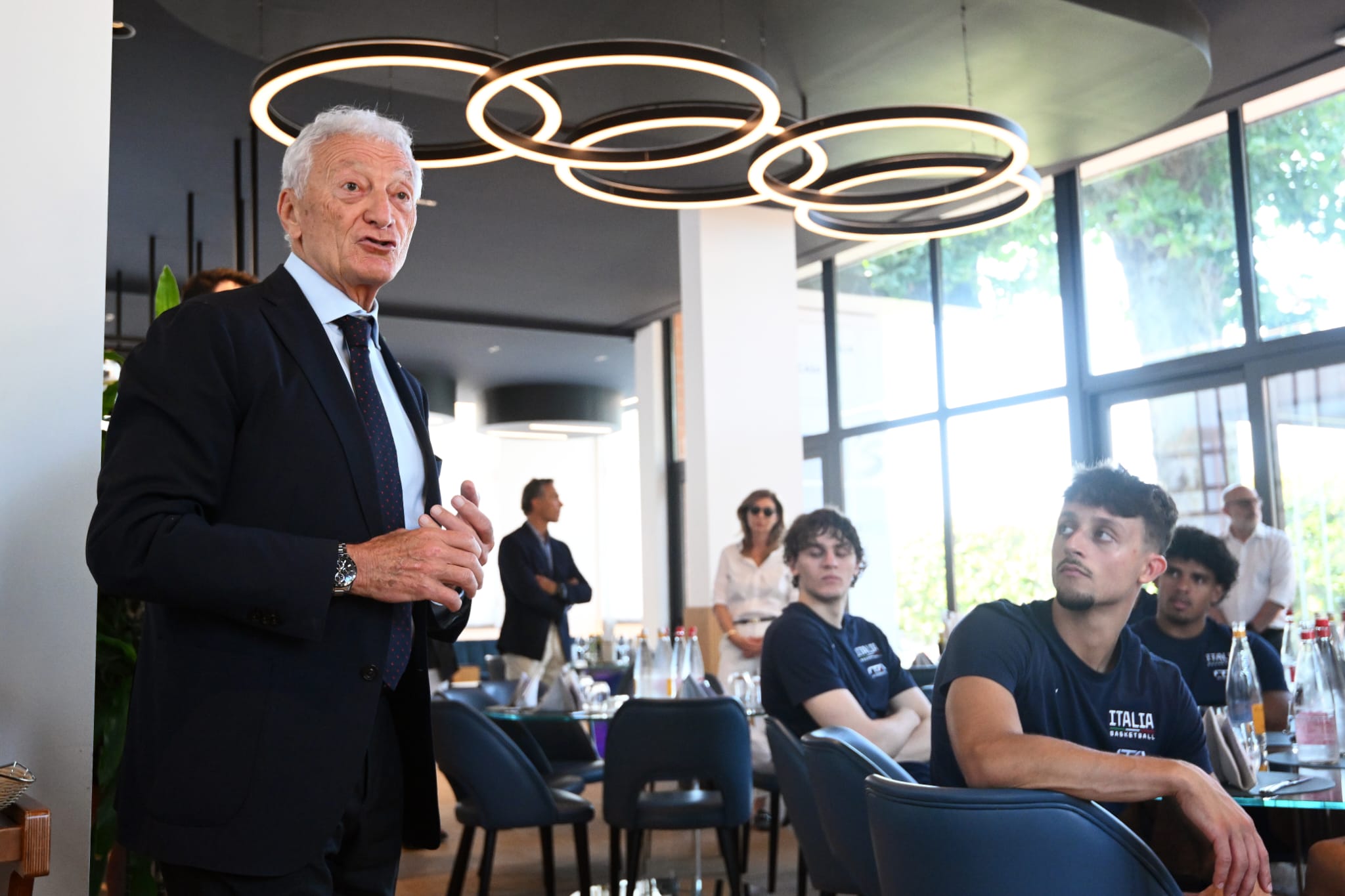
CONI President Luciano Buonfiglio, together with General Secretary Carlo Mornati, today met FIP President Giovanni Petrucci and the men’s national basketball team, who are currently in camp at the Giulio Onesti Olympic Training Centre at Acqua Acetosa (photo: FIP).
The meeting provided an opportunity to underline CONI’s support ahead of the upcoming competitive commitments involving the Azzurri, who at this stage are being led by Head Coach Marco Ramondino, due to family-related issues that have prevented head coach Luca Banchi from joining the group.
The national team are preparing for friendly tests against Croatia, scheduled for 24 June in Gorizia at 7.30pm, and against Slovenia, away in Celje on 27 June at 8pm. The two matches will precede the fixtures on 2 July in Reykjavik against Iceland and on 5 July against Lithuania in Bologna, part of the third and final window of the first phase of qualification for the Doha 2027 World Cup.
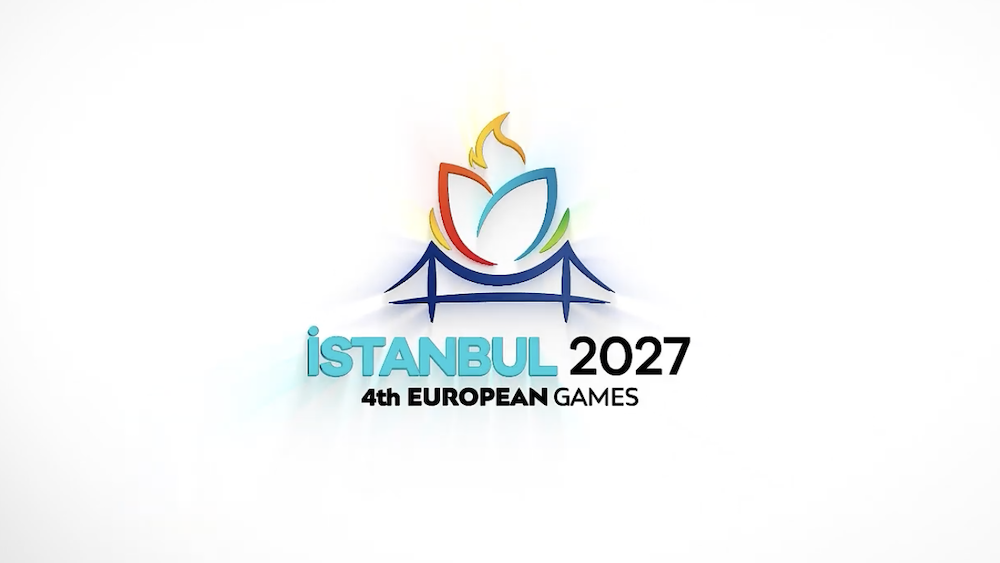
Istanbul 2027 logo revealed as one-year to go countdown
- EUROPEAN GAMES
The 4th European Games – Istanbul 2027’s bold logo and branding have been unveiled as the EOC and the Organising Committee mark one year until Europe’s premier multi-sport event returns in the heart of Türkiye.
Europe’s best athletes will gather in the continent’s biggest city from 16-27 June and as the countdown continues, the Istanbul 2027 Organising Committee has revealed the logo which will serve as the face of the European Games across all branding, capturing the spirit of a city that has long stood at the crossroads of cultures, continents and civilisations.
Anchoring the design is an artistic silhouette of the Bosphorus Bridge (15 July Martyrs Bridge), one of Istanbul’s most iconic landmarks, symbolising the city’s unique role in connecting Europe and Asia. Inspired by Istanbul’s position between two continents, the emblem incorporates tulip petals representing Europe and Asia, reflecting unity, diversity and cultural exchange. Rising above the bridge, the European Games flame embodies the passion, energy and ambition of sport, while the emblem’s vibrant colours reflect sustainability and celebrate the diversity of athletes, cultures and sporting disciplines that will come together in Istanbul in 2027. Together, these elements create a powerful symbol of unity through sport and of a city that connects continents, cultures and people.
With 26 sports confirmed on the programme, including 22 Olympic sports, Istanbul 2027 promises to deliver an unforgettable experience for Europe's best athletes and the fans who will pack the city's iconic venues. It will provide Olympic qualification opportunities across most sports, building on the success of Krakow-Malopolska 2023 and carrying on European sport's unprecedented momentum following the huge success of Paris 2024 and Milano Cortina 2026.
EOC President Spyros Capralos looked ahead with anticipation to the 4th European Games. President Capralos said: “Today marks an exciting milestone as we celebrate one year until Istanbul 2027. The European Games have grown into a truly special occasion for our continent, and we are confident that Istanbul will take the event to new heights. Türkiye’s passion for sport, its track record of delivering world-class events and our strong working relationship with the Organising Committee give us every confidence that athletes and fans alike will experience something truly unforgettable next year in one of the world’s great cities”.
The Chair of the EOC’s Coordination Commission for the 4th European Games and EOC Executive Committee member Mihai Covaliu paid tribute to the progress made by the Organising Committee. He said: “One year from today, Europe will come together in Istanbul for the 4th European Games. As we mark this important milestone, we celebrate far more than the countdown to a major sporting event. We celebrate the power of sport to bring people together, to create opportunities and to build bridges between nations, cultures and generations. It is fitting that the symbol of Istanbul 2027 is a bridge. A bridge that connects continents, but also connects athletes with their dreams, countries with one another, and a new generation of champions with the Olympic future that awaits them in Los Angeles 2028. Over the next year, the excitement will continue to grow. Thousands of Europe’s finest athletes will prepare to compete, inspire and pursue their Olympic ambitions on one of the greatest stages in international sport. Together with our partners in Türkiye and the Organising Committee, we are building more than a sporting event. We are building a celebration of unity, excellence and friendship that will leave a lasting legacy for sport across Europe. The journey to Istanbul 2027 is well underway, and we look forward with great anticipation to the year ahead”.
Istanbul 2027 Organising Committee CEO Prof. Dr. Veli Ozan Çakır underlined the ambition and readiness of the city. “Istanbul has always dreamed big, and the 4th European Games give us the opportunity to show the world what this extraordinary city can do. Our team has been working tirelessly to ensure that every athlete who comes here feels the warmth of Turkish hospitality and competes in world-class conditions. We cannot wait to welcome Europe to Istanbul in one year's time,” he said.
The 4th European Games Istanbul 2027 will take place from 16-27 June and further details on competition venues, ticket sales and how fans from across Europe can get closer to the action will be announced in the coming months.
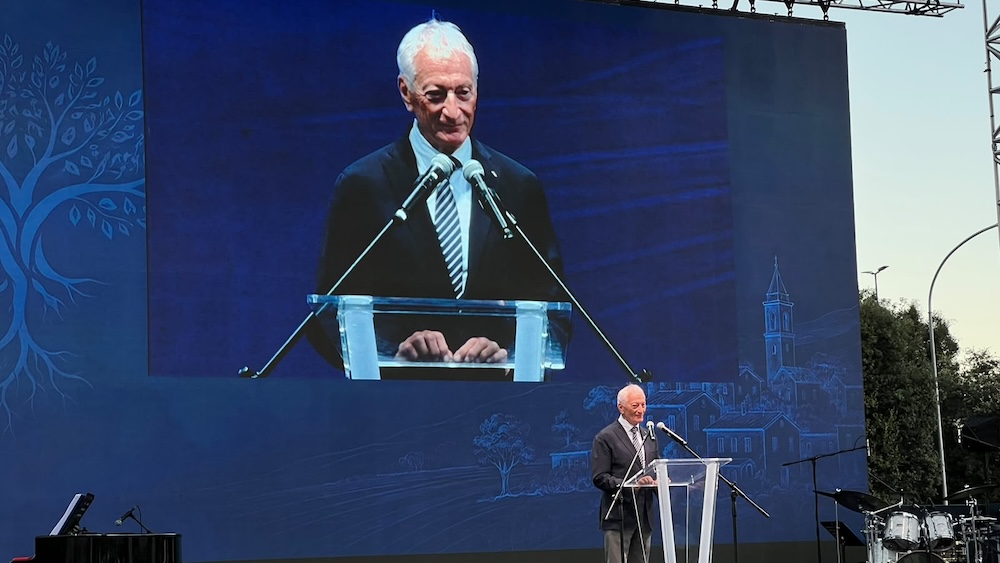
The Turismo delle Radici project and the launch of the Trofeo CONI 2026 celebrated, Buonfiglio: “Sport can make the world a better place”
- CONI AND MAECI
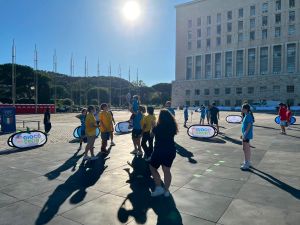
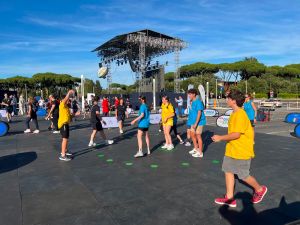
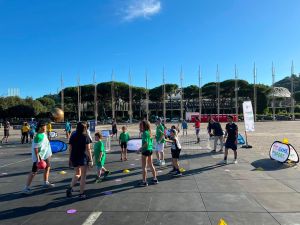
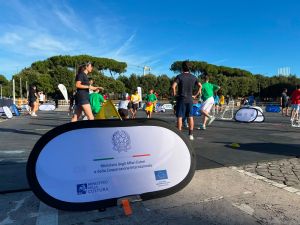
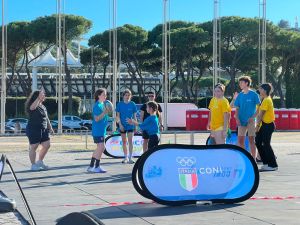
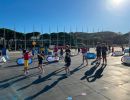
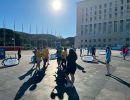
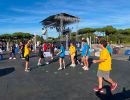
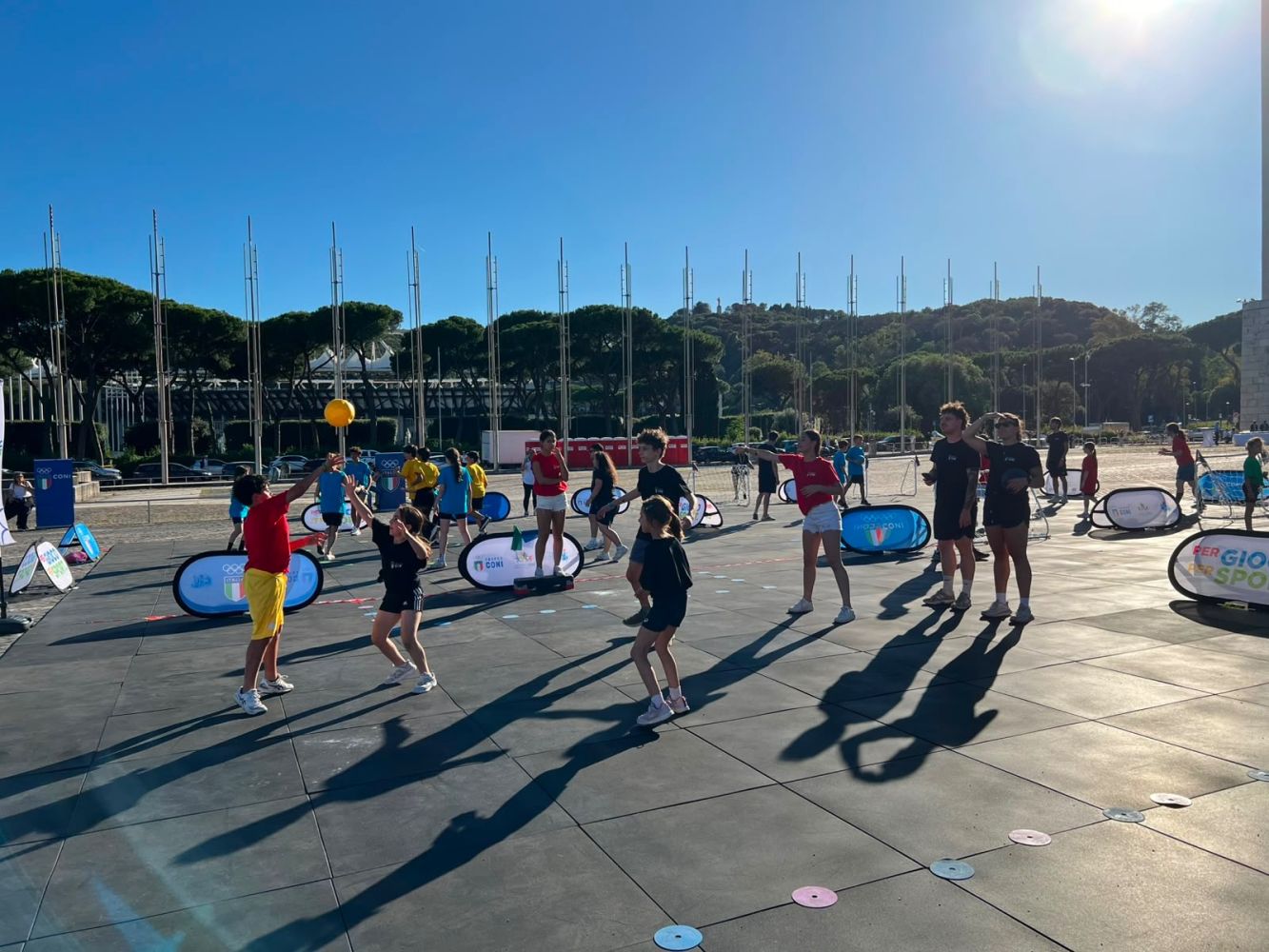
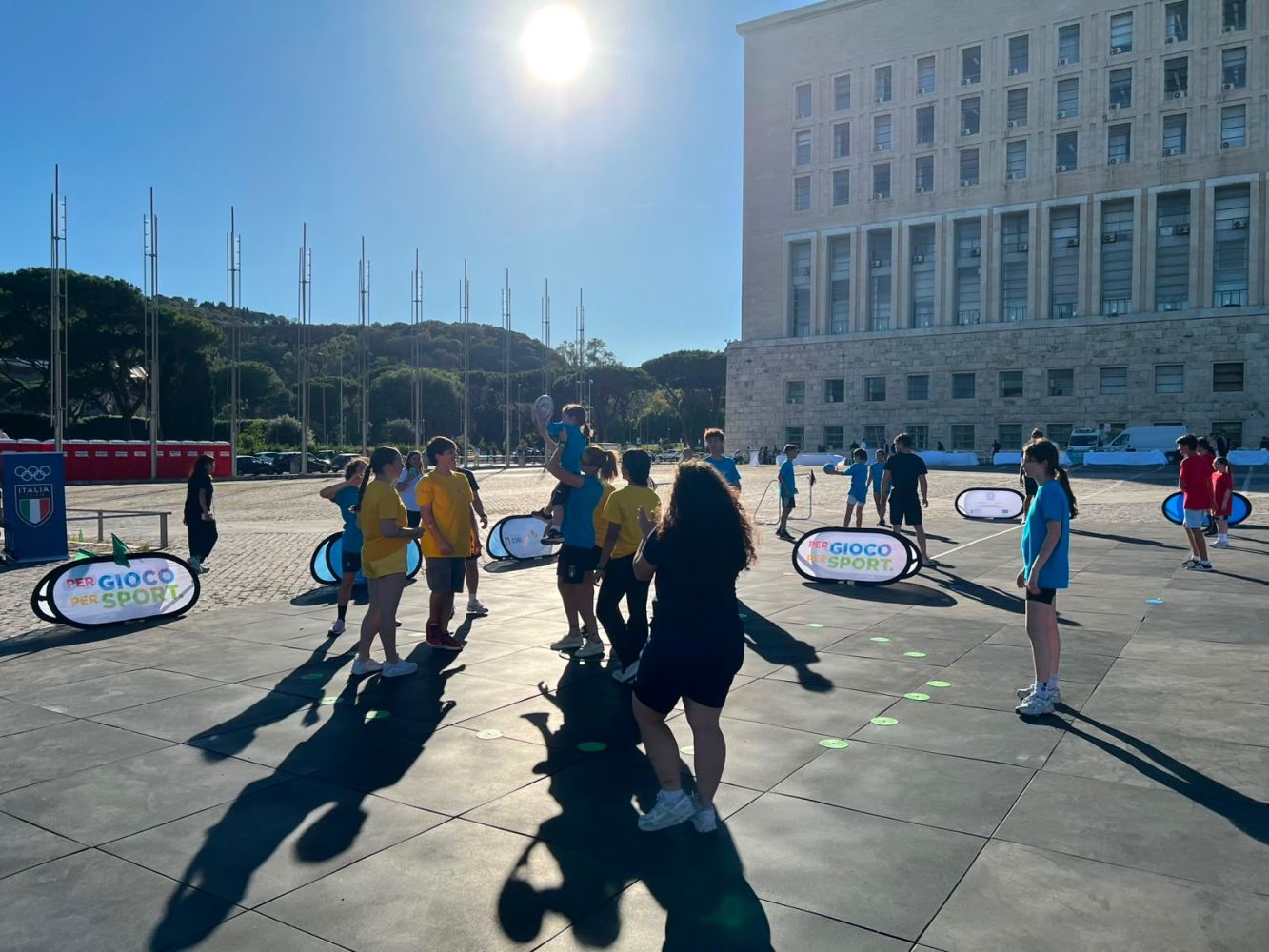
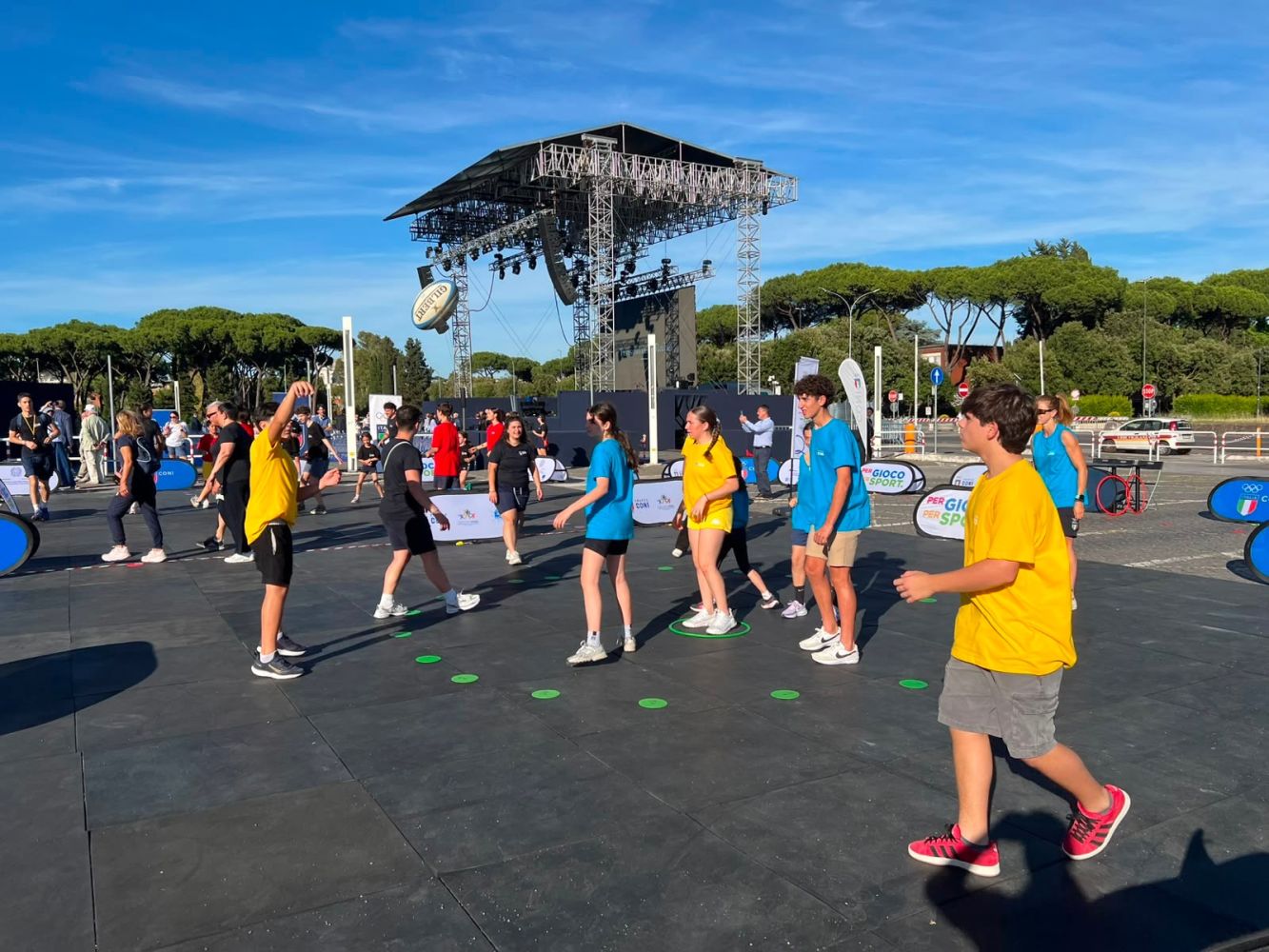
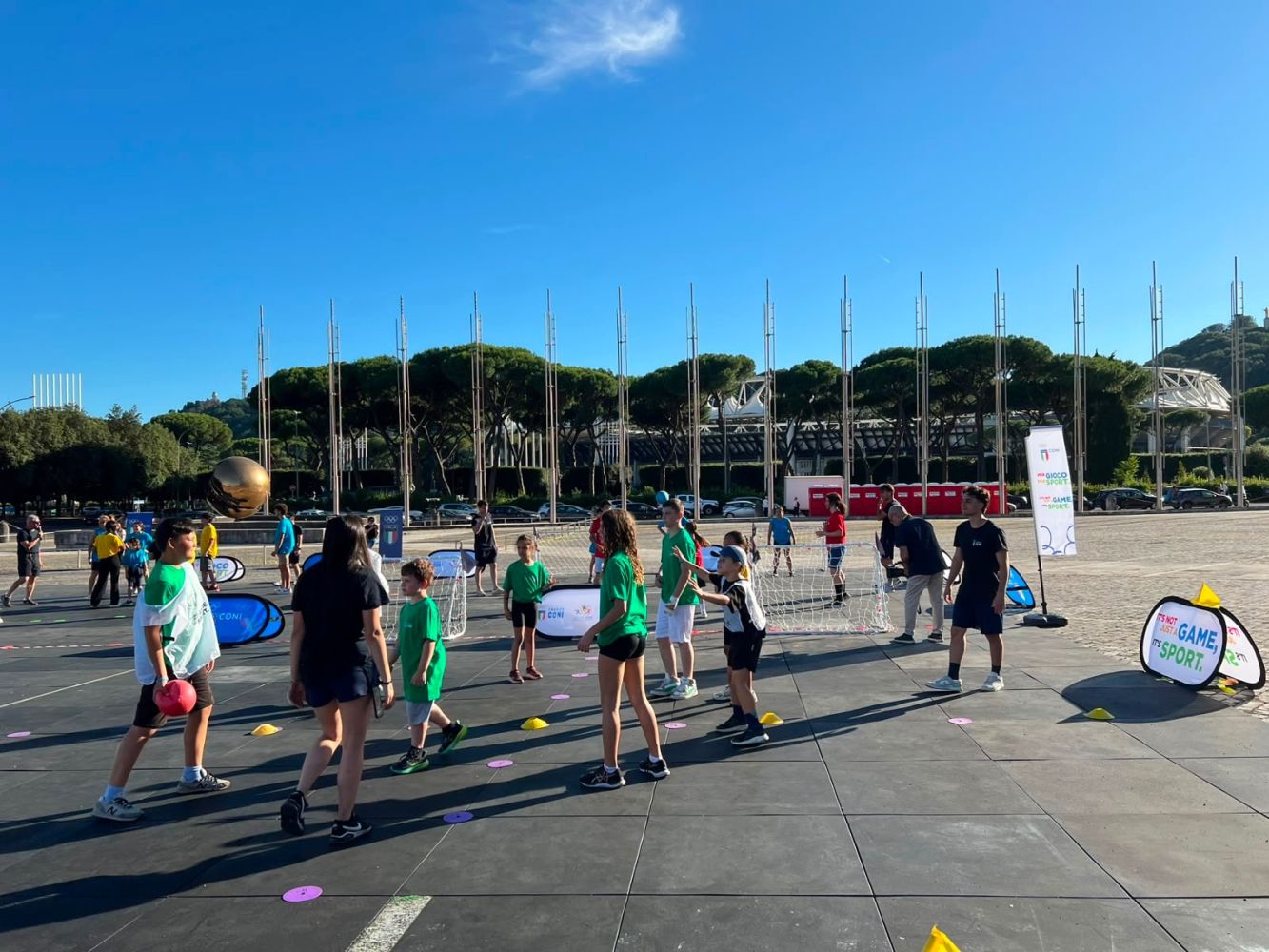
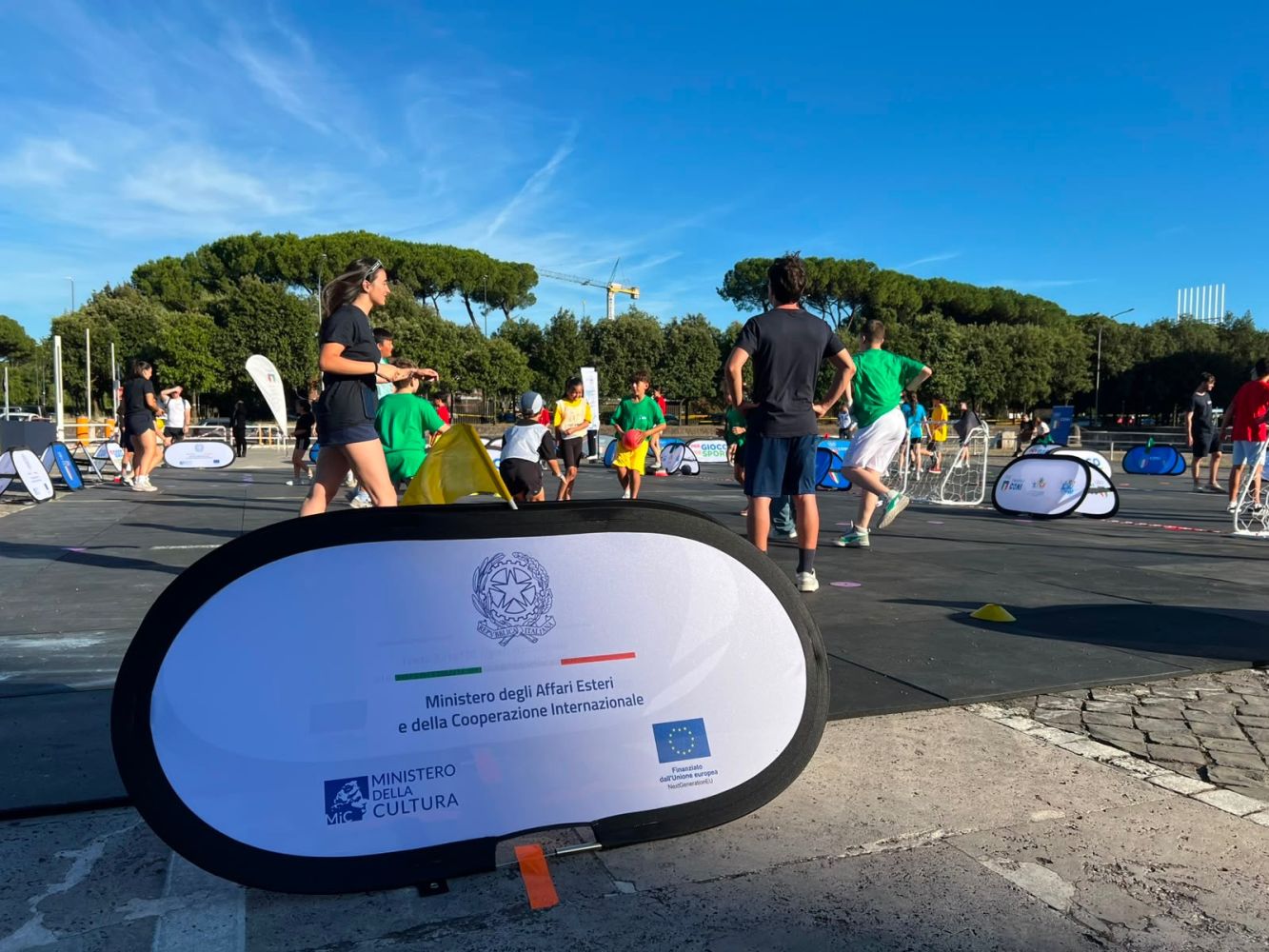
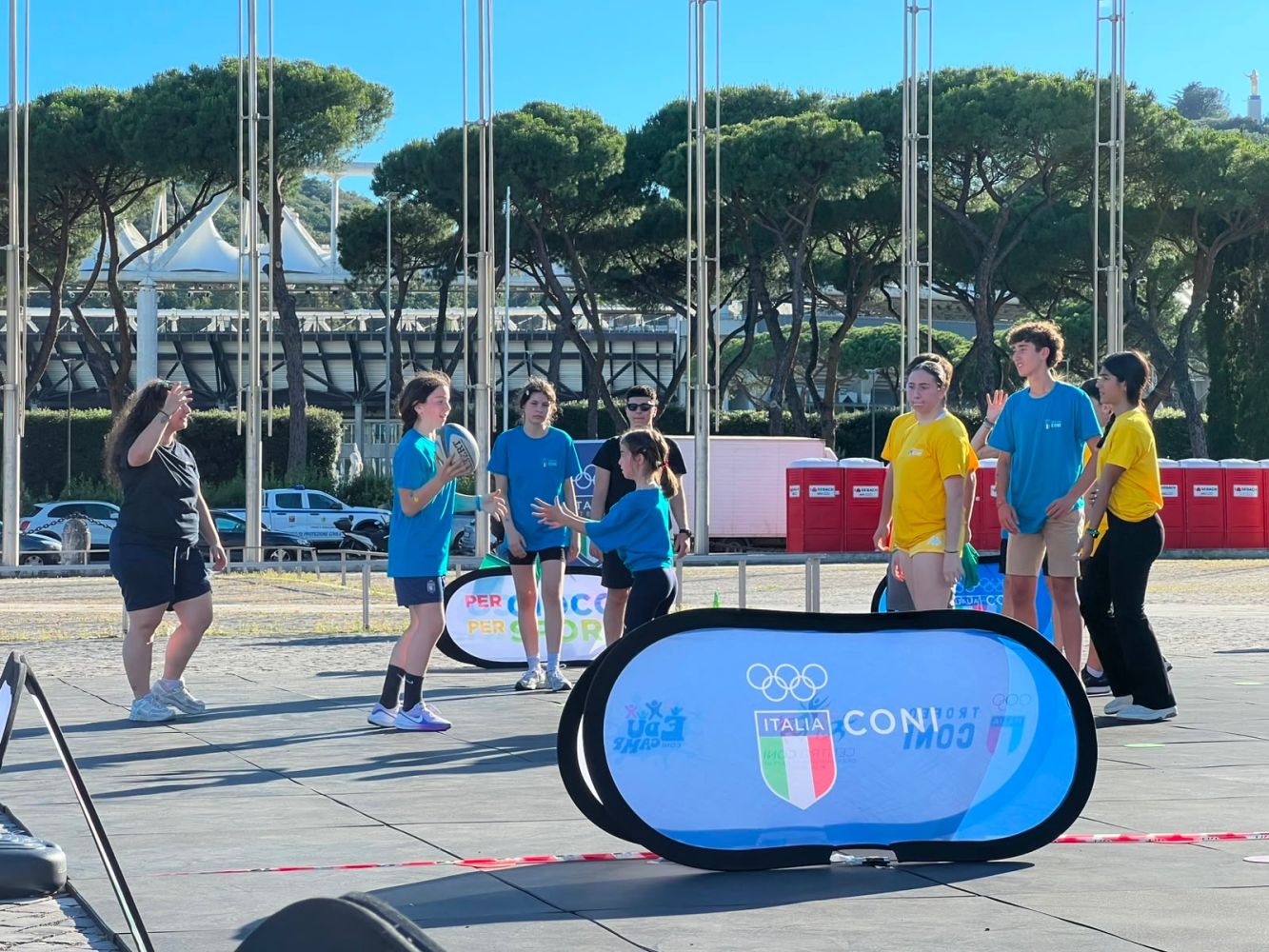
An event organised by CONI in collaboration with the Ministry of Foreign Affairs and International Cooperation (MAECI) was held at Piazzale della Farnesina to celebrate the conclusion of the first phase of the Turismo delle Radici project and the launch of the Trofeo CONI 2026.
The protagonists were the delegations of under-14 athletes from the Italian Communities Abroad in Argentina, Australia, Brazil, the United States, Switzerland and Venezuela, accompanied by coaches, CONI CIE Delegates and more than one hundred Mayors of the Comuni delle Radici, offering concrete testimony to their participation in the entire project linked to sporting activity, in particular through the on-field organisation of the CONI Fair Play Games, multidisciplinary sporting activities inspired by the IOC’s Olympic Values Education Programme (OVEP). Also in attendance were Minister of Foreign Affairs Antonio Tajani, Minister of Tourism Gianmarco Mazzi, CONI President Luciano Buonfiglio, Italian Swimming Federation President Paolo Barelli, Settebello head coach Sandro Campagna and former cycling star Vincenzo Nibali.
Turismo delle Radici is the initiative promoted by MAECI and funded under the NRRP to strengthen the bond with more than 80 million Italians and people of Italian descent around the world and to enhance Italy’s small municipalities and villages, an initiative that enabled girls and boys to take part in both the summer and winter editions of the Trofeo CONI.
After the parade and the performance by the musical groups that won the 2026 competition for the promotion of popular and amateur music, the young athletes completed a CONI Fair Play Games course and were presented with plaques as ‘Young Ambassadors of Sports Diplomacy’. This was followed by a culinary demonstration by Michelin-starred chef Alessandro Circiello and a tasting session as part of the launch of Italian Pasta Day in the World, the screening of the video story of the Trofeo CONI and the Viaggi delle Radici, the performance of the Italian national anthem, Il Canto degli Italiani, by the Band of the Carabinieri, and the institutional speeches.
The first to speak was Minister of Foreign Affairs Antonio Tajani: “We are celebrating Turismo delle Radici and launching phase two of the project. We are delighted to let these young people feel the call of Italy, to enable them to speak Italian, and to discover where their grandparents or parents set out from before going to live abroad. It is a way of being part of the great Italian community. Sport is a tool for unity: there are many athletes, just as there are many actors, of Italian origin around the world. Italy has ‘sent’ many important figures around the globe. And there are many young people who deserve to feel at home in Italy. Turismo delle Radici is an extraordinary opportunity for Italy. The aim of the project is to help people rediscover parts of Italy that are not normally known. I wanted the project to be targeted at smaller municipalities. Italy’s major cities do not need extensive promotion, while few people know just how beautiful the Italy of villages and small municipalities is. This is also why we wanted the Giro d’Italia to become an ambassador for Italy around the world. These places preserve the memories of our migrants, the languages and dialects of those who left many years ago but remain strongly attached to Italy. We wanted to involve the mayors directly because it is right to give them recognition, including moral recognition, for what they do. The results are extraordinary and we are aware that we can do even more”.
“Turismo delle Radici is something unique that is handed down through time and space,” added Minister of Tourism Gianmarco Mazzi. “It is an issue to which we want to give particular attention. We know that many Italians have left the country over the years to go abroad. As the data show, Turismo delle Radici represents a fast-growing segment within the global tourism sector. With figures of between 60 and 80 million people, Turismo delle Radici is a strategic lever for development. There are many positive aspects that have an impact on local areas”.
CONI President Luciano Buonfiglio closed the event: “Once again, Minister Tajani has involved sport and focused attention on sport and its values. His speech highlights the pride of being Italian and of what we are doing. When we do our duty, when we are successful protagonists, we generate enthusiasm. Sport is playing a leading role. We are winning everywhere. Today, even Ferrari returned to success: Italian industry excelling. The Minister gives us attention, and we take on responsibility: sport has great value in making the world a better place. Our task is difficult, but Italian style and method are becoming a style and method to be emulated. But we must improve further”.
Turismo delle Radici e Trofeo CONI celebrati alla Farnesina


Francesca Lollobrigida in Los Angeles for the Italian Consulate General’s Tribute to the 80th Anniversary of the Italian Republic, with an Eye on LA28
- AT THE MEMORIAL COLISEUM
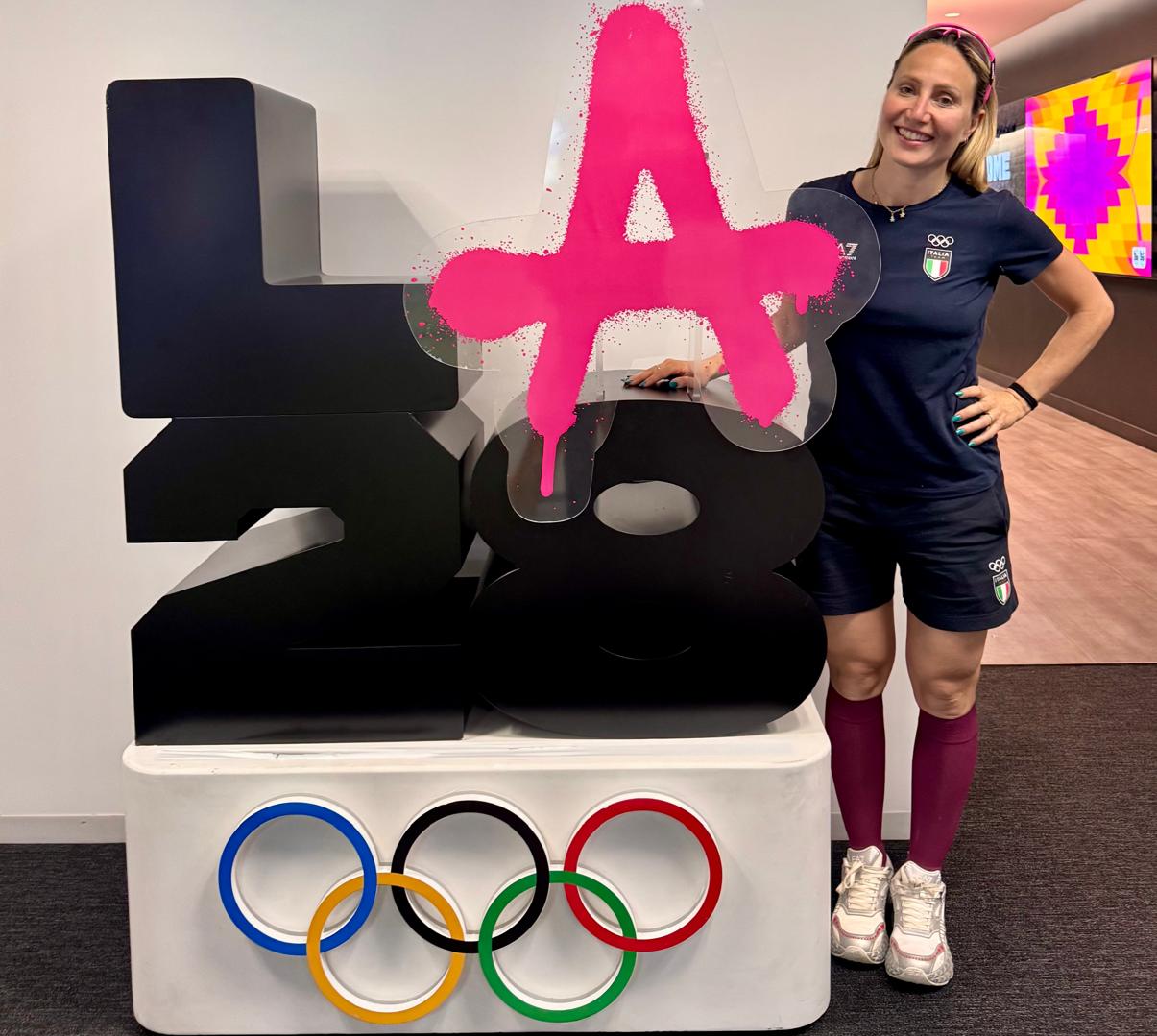
Francesca Lollobrigida joined the celebrations marking the 80th anniversary of the Italian Republic in Los Angeles alongside the Italian Consulate General.
A special initiative designed to celebrate the Italian Republic in the United States through the power of the universal values embodied by sport.
At the invitation of Consul General Raffaella Valentini, the Consulate General of Italy in Los Angeles commemorated the 80th anniversary of the Republic with a major event hosted at the iconic Memorial Coliseum. The occasion also provided an opportunity to symbolically join the National Day of Sport, scheduled to take place on Sunday 7 June.
The participation of Olympic champion Francesca Lollobrigida, gold medallist in the 3,000m and 5,000m speed skating events at the most recent Winter Olympic Games, was among the most significant moments of the celebration. Her presence reaffirmed the strong connection between sport, institutions and public diplomacy along the pathway linking Milano Cortina 2026 and Los Angeles 2028.
At the Los Angeles Memorial Coliseum, which will make history by becoming the first venue to host three editions of the Olympic Games (1932, 1984 and 2028), Francesca Lollobrigida took part in the evocative ceremony alongside Consul General Raffaella Valentini and institutional representatives. The event represented a highly symbolic moment dedicated to the passing of the Olympic baton between the most recent Games hosted in Italy and the forthcoming Summer Games that will be staged in the United States.
The Olympian also joined a walk along the Hollywood Walk of Fame, where she paid tribute to the presence and contribution of Italians in Hollywood throughout the history of the American film industry. This legacy is symbolically represented by the star dedicated to actress Gina Lollobrigida, of whom Francesca is the great-grandniece.
The mission also included a visit to the headquarters of the LA28 Organising Committee, providing an opportunity to discuss preparations for the 2028 Olympic and Paralympic Games and to explore potential areas of collaboration between Italy and the United States in the fields of sport, youth development and the promotion of Olympic values.
The celebrations of Republic Day and the Tricolour Day of Sport in Los Angeles provided a high-profile platform for promoting Italy’s contemporary image abroad. This was made possible through the close cooperation between the Consulate General and CONI, also through the Italia Team dimension, which continues to highlight the role of sport as a universal language of dialogue and international cooperation.
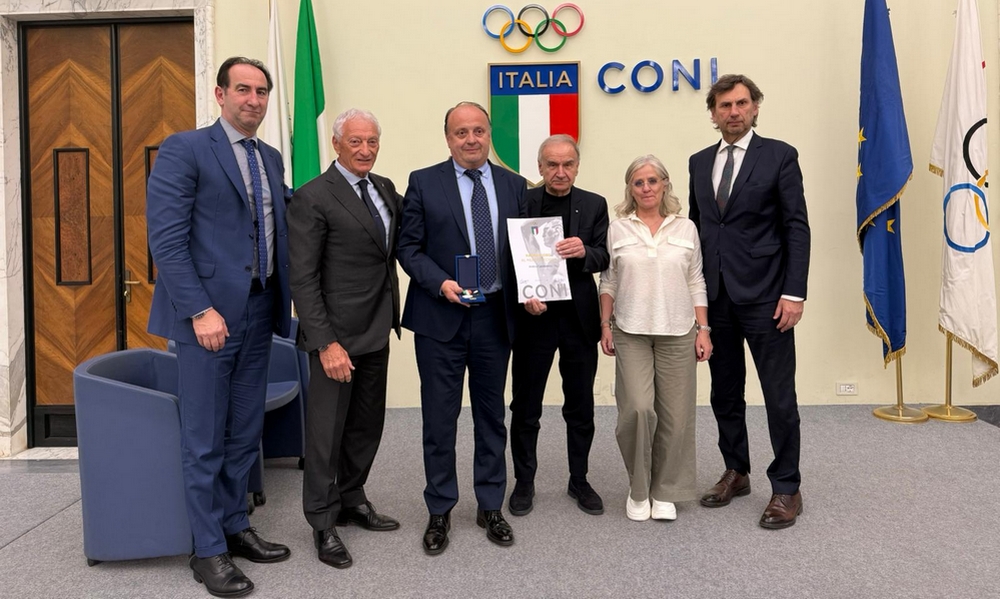
President Buonfiglio presents the Palma d’Oro to Italy women’s basketball head coach Capobianco
- CONI
CONI President Luciano Buonfiglio today presented the Palma d’Oro for Technical Merit to Andrea Capobianco, Head Coach of the Italian women’s national basketball team and President of the FIP National Coaches Committee.
Opening the proceedings of the FIP Federal Council, held in the Salone d’Onore at CONI, Buonfiglio paid tribute to the career of a coach who last year guided the Azzurre to the bronze medal at the Women’s EuroBasket, taking Italy back onto the continental podium after 30 years and also receiving from FIBA the award for best coach of the tournament. In 2026, the national team led by Capobianco returned to the World Cup after 32 years.
The award ceremony, held before the Federal Council, was attended by FIP President Gianni Petrucci, Vice Presidents Federico Casarin and Margaret Gonnella, and Secretary General Maurizio Bertea.
Page 8 of 146