Comunicato della Giunta Nazionale
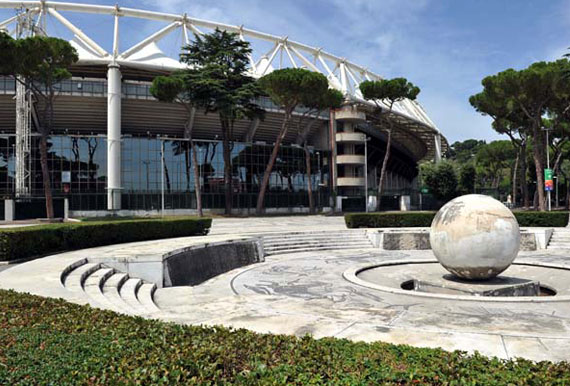
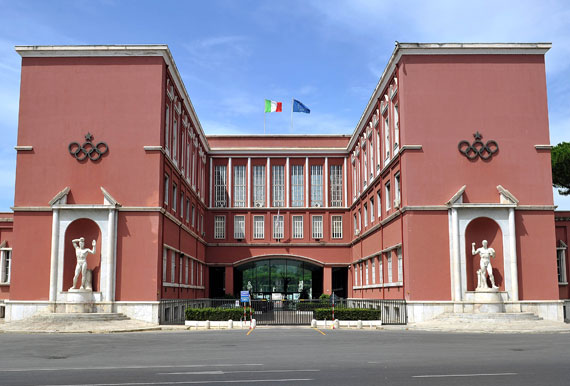 Si è tenuta questa mattina al Foro Italico la 1028^ riunione della Giunta Nazionale CONI, che ha iniziato i lavori approvando il verbale della precedente riunione del 16 settembre. Nelle sue comunicazioni il Presidente Malagò ha esordito parlando dei contributi che il Governo ha riservato al CONI per il 2015 con una riduzione dell'1,84%. È stato poi nominato Carlo Mornati come rappresentante CONI all'interno della Commissione per il Fondo della Mutualità del calcio al posto di Michele Uva. La Giunta ha preso atto del lavoro della Commissione atleti del CONI che ha individuato in 100 grandi atleti del passato le "Leggende dello Sport". Tale elenco verrà incrementato anno dopo anno sulla base di precisi criteri che non consentono comunque l'inserimento ad atleti ancora in attività. Le Leggende dello sport saranno ricordate lungo il Viale delle Olimpiadi al Foro Italico.
La Giunta ha poi esaminato il dettaglio del nuovo modello di allocazione dei contributi delle Federazioni Sportive Nazionali, presentato dall'ingegner Carlo Piccolo della PMA, advisor incaricato di declinare in termini economici i criteri stabiliti per la distribuzione dei contributi alle Federazioni. A tal proposito è stato invitato a partecipare ai lavori il nuovo Presidente della FIGC, Carlo Tavecchio. È stato poi approvato il nuovo Club Olimpico ed è stato varato un nuovo elenco di promesse olimpiche, nuova categoria di atleti e di sport di squadra messa a disposizione delle Federazioni. La Giunta ha poi approvato la delibera sulla ripartizione degli ingressi degli sportivi extracomunitari riducendo il numero da 1.315 a 1.190 unità. Sono stati assegnati tre Collari d'Oro: il primo alla memoria di Alfredo Martini, il secondo a Giacomo Agostini e il terzo a Luca di Montezemolo. Dopo aver esaminato un lunga serie di altri temi di carattere organizzativo e amministrativo, e aver assunto le relative delibere, la Giunta ha interrotto alle ore 13.20 aggiornando la seduta al pomeriggio dopo il Consiglio Nazionale.
"Destinazione Rio", Malagò e Mornati presentano i programmi verso i Giochi Olimpici 2016
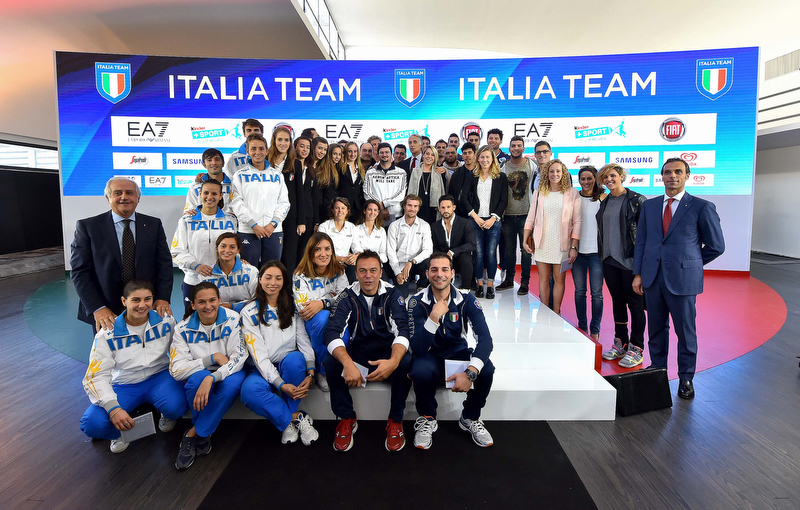 Destinazione Rio 2016. Una fotografia dei propositi olimpici a 648 giorni dalla XXXI edizione dei Giochi Estivi, la testimonianza degli sforzi profusi dal CONI per supportare concretamente gli atleti e le Federazioni nella marcia di avvicinamento all’evento che si disputerà in Brasile dal 5 al 21 agosto 2016. Alla Casa delle Armi il Presidente del CONI, Giovanni Malagò, e il Vice Segretario e Responsabile dell’Area Sport e Preparazione Olimpica, Carlo Mornati, alla presenza del Segretario Generale, Roberto Fabbricini, hanno illustrato le iniziative, i propositi e le sinergie da mettere in campo per dare centralità all’attività agonistica e ai principali protagonisti dello sport azzurro. Quarantuno azzurri presenti, tra cui 5 olimpionici, vincitori di medaglie e appartenenti al club olimpici, oltre a una significativa rappresentanza di Presidenti Federali e Segretari, Commissari tecnici, i vertici della Coni Servizi, il Presidente Franco Chimenti e l'Amministratore Delegato, Alberto Miglietta, e diversi membri di Giunta.
Il Presidente Malagò ha lanciato la sfida, senza dimenticare le criticità."Oggi vincere una medaglia è più difficile che quattro o otto anni fa, ma non deve essere un alibi: se andrà bene, ci prendiamo il merito, se va male le responsabilità. Ma io sono ottimista. La squadra di supporto è molto buona, c'è un bel clima, una gestione manageriale moderna e innovativa, poi ci sono molte discipline dove si può centrare il bersaglio, come uscire dalla finale. E' la vita, è lo sport. Non cercheremo alibi se dovessimo vincere 15 medaglie, ma ci sono considerazioni che mi fanno essere ottimista. Penso che in molte disciplina siamo molto competitivi e voglio anche sottolineare come, grazie a un’opera di contenimento costi e di spending review, abbiamo risparmiato oltre 2,9 milioni, bonus che sarà distribuito subito alle Federazioni ma solo per la gestione dell’attività olimpica o di alto livello. Bisogna fare di necessità virtù e inventarci qualcosa di diverso. Noi italiani abbiamo fantasia, da questo punto di vista ovvio che se la mettiamo sul gigantismo finanziario soffriamo di più. Dobbiamo valorizzare i nostri centri tecnici e le sinergie tramite i centri di preparazione olimpica. L’importante è essere a posto con la coscienza e la credibilità vantata con le istituzioni è figlia dell’ottimo lavoro svolto fino a oggi. Mancano poco meno di due anni a Rio e molti giochi si faranno nei prossimi mesi con le qualificazioni in vari sport".
Il Vice Segretario Carlo Mornati, in qualità di Responsabile della Preparazione Olimpica, è sceso nel dettaglio delle iniziative varate in vista di Rio 2016. “Questo progetto si propone di creare una sorta di Hub per far interagire in modo efficace tutte le componenti coinvolte nella marcia di avvicinamento ai Giochi. Sono tre aree di supporto da monitorare, partendo da quella finanziaria, passando per quella tecnico-scientifica, fino ad arrivare a quella sanitaria. Nell’ultimo anno sono stati erogati 137,4 milioni alle Federazioni per le attività di Preparazione Olimpica e di Alto Livello, oltre a 4,2 milioni di borse di studio legate al club olimpico e 3,25 milioni ai Gruppi Sportivi Militari: è importante ricordare i costi sostenuti, pari a circa 13 milioni di euro, e gli investimenti di oltre 2 milioni per i Centri di Preparazione Olimpica di Roma, Formia e Tirrenia. Questi numeri danno il senso dell’impegno del CONI, che si estende anche attraverso il supporto tecnico-scientifico, grazie a una valutazione delle capacità fisiche attraverso test di forza, di resistenza e di biomeccanica, senza dimenticare l’ottimizzazione degli attrezzi e o veicoli di gara, grazie alle sinergie per sviluppare l’alta specializzazione tecnologica. Garantiremo anche sostegno al Club Italia, perché riteniamo strategici i raduni permanenti ai fini dell’attività agonistica. Infine il supporto sanitario: l’Istituto di Medicina è a costante disposizione degli atleti e tra poche settimane- nella struttura - sarà possibile effettuare anche una risonanza magnetica. Ci sarà infine una nuova visione del club olimpico: l’86% delle medaglie di Londra ne faceva parte, l’anno scorso era composta da 104 atleti, quest’anno da 121, di cui 71 nuovi. Nascerà la categoria “Promesse olimpiche”, rivolta a quegli atleti che sono considerati dal CONI, di concerto con le Federazioni, di particolare interesse per il futuro”. Mornati ha infine distribuito ai 41 azzurri presenti la carta degli atleti, un’altra novità assoluta: consentirà agli appartenenti al club olimpico di usufruire gratuitamente di tutti i servizi che il CONI metterà a disposizione nel Parco del Foro Italico e all’Istituto di Medicina e Scienza dello Sport e anche attraverso convezioni – anche personalizzate - con i partners commerciali.
Questi i 41 azzurri presenti alla Casa delle Armi:
Carlo Molfetta (Taekwondo), Marco Galiazzo, Michele Frangilli e Mauro Nespoli (Tiro con l’Arco), Daniele Lupo e Paolo Nicolai (Beach Volley), Rossella Fiamingo, Enrico Garozzo, Irene Vecchi, Lucrezia Sinigaglia, Ilaria Bianco, Rossella Gregorio, Mara Navarria, Giorgio Avola e Francesca Quondamcarlo (Scherma), Stefania Pirozzi, Gabriele Detti, Federico Turrini, Chiara Masini Luccetti, Erika Ferraioli, Aurora Ponselè, Giada Galizzi ( Nuoto), Romano Battisti, Francesco Fossi, Pietro Ruta e Andrea Micheletti (Canottaggio), Vincenzo Mangiacapre, Valentino Manfredonia, Guido Vianello (Pugilato), Marco Aurelio Fontana (Ciclismo), Antonino Barillà e Daniele di Spigno (Tiro a Volo), Francesca Clapcich, Vittorio Bissaro e Silvia Sicouri (Vela), Marta Pagnini, Andrea Stefanescu, Camilla Patriarca, Alessia Maurelli, Sofia Lodi, Arianna Facchinetti (Ginnastica Ritmica).
Finale CdM: Zublasing 2ª nella carabina 3 posizioni
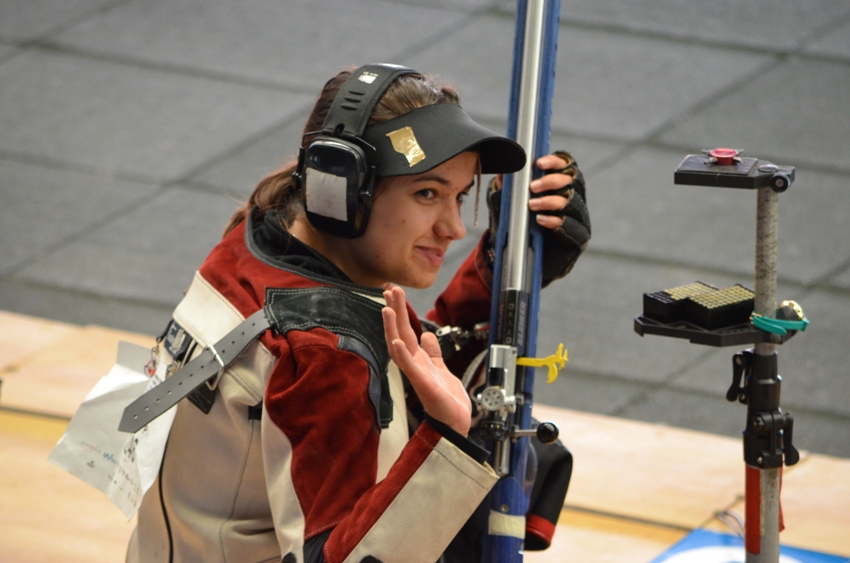 La Finale di Coppa del Mondo a Gabala (Azerbaijan) si è conclusa nel migliore dei modi per la squadra azzurra di tiro a segno. Petra Zublasing, grazie ad una splendida prestazione nella carabina sportiva 3 posizioni, ha conquistato il secondo posto.
La tiratrice altoatesina del Gruppo Sportivo Carabinieri, che a Granada aveva vinto per la prima volta il titolo mondiale 2014 nella carabina ad aria compressa, si è confermata ai vertici anche nella gara conclusiva del circuito internazionale.
L’azzurra ha gestito molto bene la fase finale, chiudendo a soli tre decimi di punto dalla prima, la croata Snjezana Pejcic (460.2). Al terzo posto si è piazzata la cinese Jing Chang (450.0). L'altra azzurra in gara, Sabrina Sena (Forestale), ha chiuso all'11° posto (566).
RISULTATI
CARABINA SPORTIVA 3 POSIZIONI DONNE
1. PEJCIC Snjezana (CRO) 460.2
2. ZUBLASING Petra (ITA) 459.9
3. CHANG Jing (CHN)
11. SENA Sabrina (ITA) 566
Guarda la classifica di carabina sportiva 3 posizioni donne
Play off Mondiale donne: Italia-Ucraina 2-1. Il Ct Cabrini "non sono molto soddisfatto"
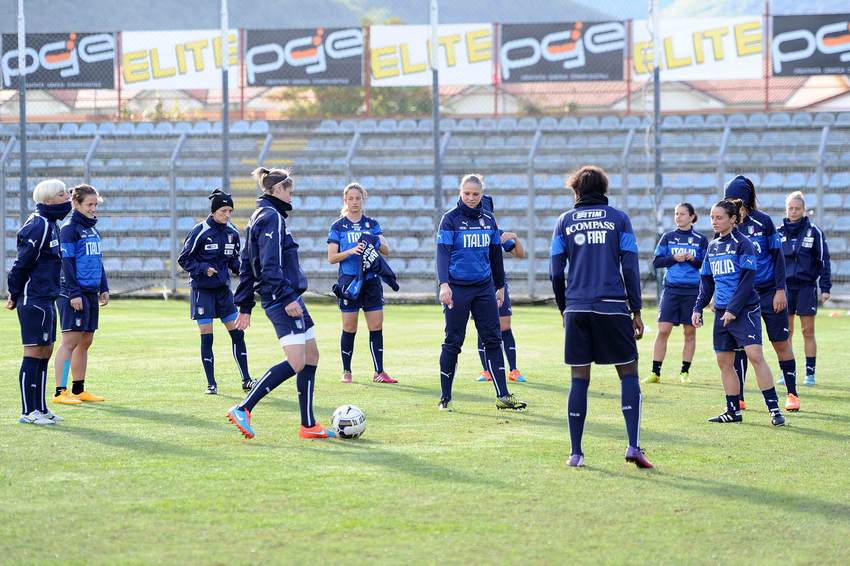 La Nazionale femminile di Calcio ha superato di misura l’Ucraina (2-1) a Rieti nell’incontro di andata della semifinale dei play-off validi per l’accesso ai Campionati Mondiali Canada 2015.
Azzurre in vantaggio al primo minuto con un’azione offensiva iniziata con il calcio d’inizio e conclusa in rete da Valentina Cernoia su cross di D’Adda da fondo campo. Al 34’ è l’ucraina Apanaschenko a pareggiare le sorti dell’incontro con una deviazione di testa su calcio di punizione. Le ragazze del Ct Antonio Cabrini non mollano e al 45’ del primo tempo è Melania Gabbiadini a centrare il nuovo vantaggio (2-1).
Nella ripresa Di Criscio sfiora il gol con un bel colpo di testa su un calcio d’angolo al 20’ poi Cabrini tenta il tutto per tutto: esce Girelli entra Giuliano, giocatrice under 17, Rosucci è sostituita da Tuttino. L’Italia preme perché vuole incrementare il vantaggio. Nascono così due occasioni per Melania Gabbiadini con un tiro al volo dal centro dell’area di poco fuori e una incursione in area fermata dal portiere ucraino.
L’incontro di ritorno che si disputerà mercoledì 29 ottobre alle ore 17.00 presso lo stadio Arena di Lviv.
La vincente della doppia sfida poi affronterà la squadra vincitrice tra Olanda e Scozia nella finale dei play-off in programma a fine novembre.
“Non sono molto soddisfatto – ha detto il Ct Cabrini al termine della gara - perché abbiamo faticato più del previsto, sbagliato troppi passaggi, anche se il merito va anche all'Ucraina che ha dimostrato di essere una squadra molto preparata. Sul piano del gioco dobbiamo pressare di più e tenere la gara con più continuità. Troppi errori dettati anche dalla condizione che non è al cento per cento, e che dobbiamo cercare di trovare per mercoledì prossimo. Ora abbiamo sull'Ucraina un margine di vantaggio e dobbiamo sfruttarlo nel migliore dei modi" .
Prima dell’inizio della partita sono state premiate, dal Direttore generale FIGC Michele Uva, Patrizia Panico che, nella gara con la Repubblica Ceca ha raggiunto quota 200 presenze con la maglia azzurra, Melania Gabbiadini che ha superato quota 100.
AIBA Pro Boxing, show di Clemente Russo a Roma. Primo successo con vista Rio 2016
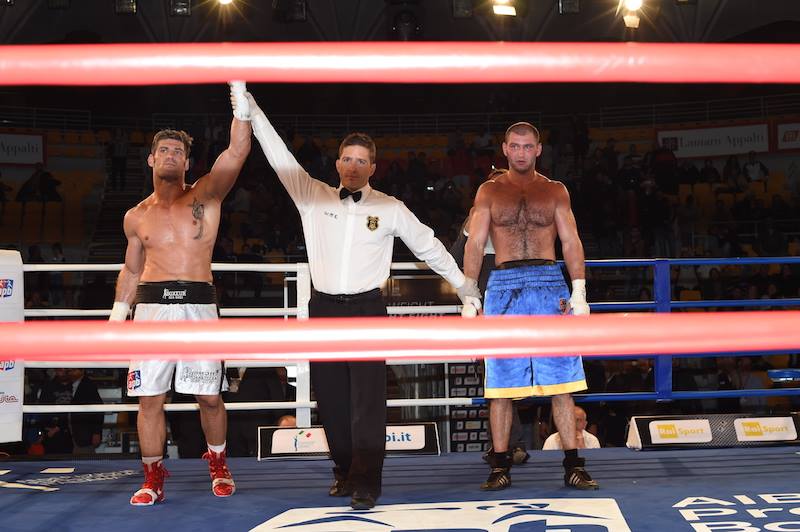 La prima vittoria sulla strada che porta a Rio 2016. Clemente Russo bagna l'esordio nell'AIBA Pro Boxing con un successo all'insegna dello spettacolo. La grande serata di battesimo del Pugilato Pro, firmato AIBA, non ha infatti deluso le attese di tutti gli appassionati. Al Palazzetto dello Sport di Viale Tiziano si è svolta questa attesissima "prima" per i 91 Kg, che ha visto protagonista assoluto la medaglia d'argento a Pechno 2008 e a Londra 2012. Russo ha sconfitto il pugile ucraino Golovaschenko: a nulla è servito lo stile dell'avversario fatto di colpi alla corta distanza e pressione sull’avversario, alla fine ha prevalso la maggiore classe dell'azzurro. Un incontro, arbitrato dal sig. Gerardo Mariano Poggi (Argentina), nel quale Tatanka ha subito preso il comando delle operazioni, stravincendo la prima e portando a casa anche la seconda. Match che si è chiuso alla quinta (neanche cominciata causa infortuio alla spalla per Golvaschenko) con la vittoria di Russo per TKO.
Oltre al match di cui sopra, il programma della serata constava anche dei seguenti incontri: Ahmatovic (Ger) vs Charles (USA); Pinchuk (KAZ) vs Peralta; Egorov (RUS) vs Bouloudinats (ALG). A senso unico la sfida tra il tedesco Ahmatovic e lo statunitense Charles. Le prime tre riprese sono state dominate dal tedesco, che, dopo averlo fatto contare per due volte nelle prime due riprese, ha rimandato al tappeto alla 3° Charles convincendo l'arbitro a fermare l'incontro e a dargli la vittoria per TKO. Nella seconda il kazako Anton Pinchuk ha sconfitto Peralta e quindi, sfiderà Ahmatovic nella prossima tappa APB Italia 91 Kg di Bergamo (21/11) mentre Peralta se la vedrà con Charles. Il russo Aleksei Egorov ha dovuto sudare più del previsto per avere ragione dell’algerino Bouloudintas (match arbitrato dal sig. Mohamed Braham Tunisia). Da questo incontro sarebbe dovuto uscire lo sfidante del vincitore dell’ultimo match della serata quello tra Clemente Russo e Golovaschenko.
Egorov, quindi, sarà colui il quale il prossimo 21 novembre in quel dell’ItalCementi di Bergamo proverà a mettere i bastoni tra le ruote a Russo nel suo viaggio verso Rio 2016. Golovaschenko, invece, boxerà con l'algerino Bouloudinats. Il braccio alzato di Tatanka ha chiuso questo meraviglioso avvenimento, che avrà il suo proseguo il 21 novembre (h 21) a Bergamo, il 12 dicembre (h 21) a Caserta e il 30 gennaio 2015 a Catania, dove avrà luogo la finalissima di questa prima fase Pre Ranking APB e che svelerà al mondo il nome del primo pugile Pro della Storia a staccare un pass Olimpico. “Tessera” che tutta l’Italia sportiva spera finisca tra le mani di Clemente Tatanka Russo.
L'altro azzurro impegnato oggi nelle APB, Domenico Valentino, non è riuscito a superare il Filippino Charlie Suarèz (suo ex compagno nell'Italia Thunder), perdendo per Split Decision nel match andato in scena (cat. 60 Kg) ad Astana (Kazakhstan). Lunedì 26, infine, sarà la volta di Vincenzo Picardi che per la categoria 49 Kg si troverà davanti il russo Aloian (Campione del Mondo 2011 e 2013) nell'incontro in programma a Novosibirsk (Russia)
Fabbrizi vince la Coppa del Mondo di Trap, 2° Pellielo. E' trionfo azzurro
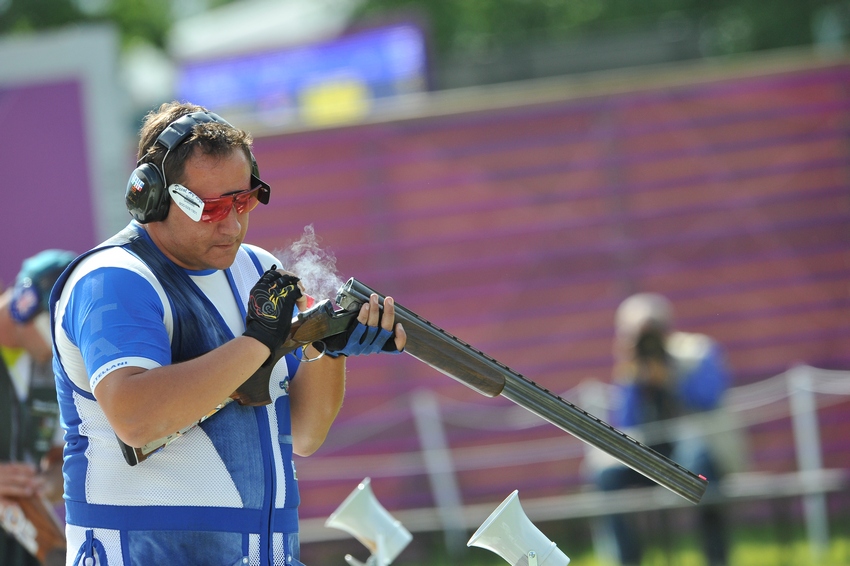 Un monologo tricolore. La finale di Coppa del Mondo di Trap maschile, disputata a Gabala (Azerbaijan), si è colorata di azzurro grazie al successo di Massimo Fabbrizi davanti all'intramontabile Giovanni Pellielo, al termine di un appassionante spareggio. E' il trionfo della scuola italiana, guidata mirabilmente dal Direttore Tecnico Albano Pera. Fabbrizi, argento ai Giochi di Londra 2012, ha quindi alzato la Coppa di cristallo dopo il secondo posto del 2009 e i due terzi posti del 2011 e del 2013. Malgrado un inizio di competizione non proprio brillante, a causa di un non bellissimo 23/25 della prima serie, l'azzurro ha agguantato uno dei sei pass per la semifinale con il totale di 122/125. Nel round decisivo non ha sbagliato nulla, esattamente come Pellielo, l’indiano Manavjit Singh Sandhu e lo spagnolo Alberto Fernandez, tutti autori di un perfetto 15/15, e con +9 nello shoot-off si è meritato lo spareggio con Pellielo.
Nello scontro diretto Pellielo approfittando di un errore di Fabbrizi nel quarto turn di tiro, ha tenuto il comando fino all’undicesimo piattello. Purtroppo per lui, uno zero nel dodicesimo lo ha riportato pari merito con il compagno di squadra e, al termine dei 15 piattelli regolamentari, i due si sono trovati appaiati a quota 14. Solo lo spareggio ha risolto la questione e, dopo un lunghissimo testa a testa, il marchigiano l’ha spuntata con un lusinghiero +19 a +18. "Finalmente ce l’ho fatta – ha esclamato alla fine del duello – Stavolta non mi è sfuggita. E’ stata dura. Punteggi alti ed un livello tecnico pazzesco. Però ho stretto i denti ed ho tenuto duro fino alla fine. Sono felicissimo".
Alle spalle dei due azzurri si è piazzato lo spagnolo Alberto Fernandez, che per arrivare al terzo posto ha dovuto avere ragione dell’indiano Manavjit Singh Sandhu con un misurato 15 a 14. Daniele Resca, al suo debutto in una finale, si è presentato alla semifinale con il miglior punteggio delle qualificazioni. Un 124/125 eccezionale, realizzato con un 24/25 nella prima serie e 4 perfetti 25/25 nelle altre quattro. Perfezione mantenuta fino al 12 piattello della manche decisiva. Purtroppo, uno zero nel tredicesimo turno di tiro ha fatto perdere la bussola all’emiliano, che alla fine, con un ingiusto 12/15, è scivolato in sesta piazza. “Soddisfazione piena, per tutti e tre i risultati – è il commento del DT Pera – E’ stato un medal match in cui non ho sofferto per niente, ho solo aspettato di vedere come andava a finire e mi sono divertito parecchio. Sono stati tutti davvero bravi e mi complimento con loro per una gara condotta ad altissimi livelli”. Presente a Gabala anche il Presidente Luciano Rossi a cui spetta il commento di chiusura “La grande storia di successi si rinnova e si conferma con un presente di enormi soddisfazioni. Grazie alla capacità del Direttore Tecnico Albano Pera ed alla determinazione dei suoi tiratori, il Made in Italy è ancora un faro per il tiro a volo mondiale”.
Play off Mondiale donne: Domani Italia-Ucraina a Rieti
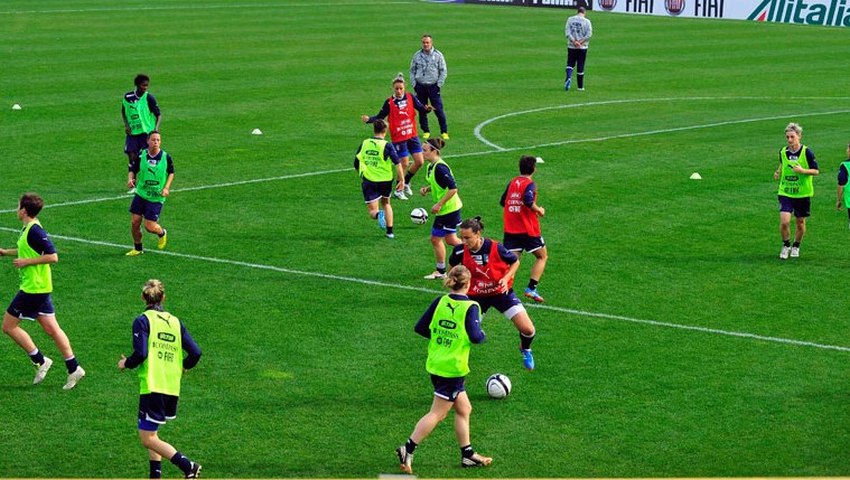 La Nazionale femminile di Calcio affronterà domani a Rieti (inizio alle ore 15.00, diretta su Rai Sport 1) l’Ucraina nell’incontro di andata della semifinale dei play-off validi per l’accesso ai Campionati Mondiali Canada 2015.
Questa mattina le azzurre hanno svolto un allenamento di rifinitura. Allo stadio Centro d’Italia-Manlio Scopigno, dove domani si giocherà una gara fondamentale. Il tecnico Antonio Cabrini e il bomber della squadra Patrizia Panico, che nei giorni scorsi hanno chiamato a raccolta il pubblico reatino (l’ingresso allo stadio è omaggio), cercheranno di vincere con un buon punteggio in vista dell’incontro di ritorno che si disputerà mercoledì 29 ottobre alle ore 17.00 presso lo stadio Arena di Lviv.
La vincente della doppia sfida poi affronterà la squadra vincitrice tra Olanda e Scozia nella finale dei play-off in programma a fine novembre.
Questo l’elenco delle Azzurre a disposizione del tecnico federale:Portieri: Giuliani (Herforder), Marchitelli (Brescia) Schroffenegger (Bayern Monaco);
Difensori: Bissoli Nhaga (Graphistudio Tavagnacco), Boattin (Brescia), D’Adda (Brescia), Di Criscio (Verona), Laterza (Graphistudio Pordenone), Manieri (Bayern Monaco), Salvai (Verona);
Centrocampisti: Brumana (Graphistudio Tavagnacco), Camporese (Graphistudio Tavagnacco), Cernoia (Brescia), Giugliano (Torres), Rosucci (Brescia), Stracchi (Mozzanica), Tuttino (Graphistudio Tavagnacco);
Attaccanti: Gabbiadini (Verona), Girelli (Brescia), Mason (Mozzanica), Panico (Verona), Piemonte (San Zaccaria).
Diciotto deferimenti della Procura
 L’Ufficio Procura Antidoping ha disposto i seguenti provvedimenti:
Deferimento dell’atleta Luca Cingi (tesserato FCI) alla Prima Sezione del Tribunale Nazionale Antidoping del CONI per violazione dell’art. 2.1. delle Norme Sportive Antidoping per la positività per presenza di Eritropoietina ricombinante, riscontrata in occasione del controllo antidoping disposto dal CONI-NADO , al termine della gara “ 59° Giro del Montalbano” svoltasi a Bacchereto il 20 luglio 2014, con richiesta di 2 anni di squalifica.
Deferimento dell’atleta Mattia Aversa (tesserato FIN) alla Prima Sezione del Tribunale Nazionale Antidoping del CONI per violazione dell’art. 2.1. delle NSA per la positività per presenza di Fenoterolo, riscontrata in occasione del controllo antidoping disposto dal CONI-NADO, al termine della gara “ Campionati Italiani Assoluti Estivi” svoltasi a Roma il 2 agosto 2014, con richiesta di sette mesi di squalifica;
Deferimento dell’atleta Stefano Giannetti (tesserato FIBS) alla Prima Sezione del Tribunale Nazionale Antidoping del CONI per violazione dell’art. 2.1. delle NSA per la positività per presenza di Metabolita di Tetraidrocannabinolo >DL, riscontrata in occasione del controllo antidoping disposto dal CONI-NADO al termine della gara “ Rimini ASD Baseball – Parma ASD”, svoltasi a Rimini il 3 settembre 2014, con richiesta di cinque mesi di squalifica;
Deferimento dell’atleta Gianluca Paoloni (tesserato FCI) alla Prima Sezione del Tribunale Nazionale Antidoping del CONI per violazione dell’art. 2.1. delle NSA per la positività per presenza di Oxicodone, riscontrata in occasione del controllo antidoping disposto dalla Commissione Ministeriale ex lege 376/2000, al termine della gara ciclistica “ Gran Fondo Appennino Reatino”, svoltasi a Rieti il 20 luglio 2014, con richiesta di un anno di squalifica;
Deferimento dell’atleta Gaia Naldini (tesserata FIN) alla Prima Sezione del Tribunale Nazionale Antidoping del CONI per violazione dell’art. 2.1. delle NSA per la positività per presenza di Torasemide, Amiloride, Clorotiazide e Idroclorotiazide, riscontrata in occasione del controllo antidoping disposto dalla Commissione Ministeriale ex lege 376/2000, al termine della gara “ 50° Traversata dello Stretto” svoltasi a Villa San Giovanni il 3 agosto 2014, con richiesta di un anno di squalifica;
Deferimento dell’atleta Tiziano Fagioli (tesserato FIG) alla Prima Sezione del Tribunale Nazionale Antidoping del CONI per violazione dell’art. 2.3. delle NSA per non essersi sottoposto al controllo antidoping disposto dalla Commissione Ministeriale ex lege 376/2000, al termine della gara “ Coppa d’Oro Torrini” svoltasi a Impruneta il 14 settembre 2014, con richiesta di 2 anni di squalifica;
Deferimento dell’atleta Lara Villa (tesserata FIDAL) alla Prima Sezione del Tribunale Nazionale Antidoping del CONI per il riconoscimento della responsabilità in ordine alla violazione dell’art. 3.2. delle NSA, sulla base degli atti trasmessi dalla Procura della Repubblica di Rimini – nell’ambito della indagine del NAS di Bologna denominata “Anabolandia”, con richiesta di 3 mesi di squalifica;
Deferimento dell’atleta Fabio Dellamotta (tesserato FIH) alla Prima Sezione del Tribunale Nazionale Antidoping del CONI per il riconoscimento della responsabilità in ordine alla violazione dell’art. 3.2. delle NSA, sulla base degli atti trasmessi dalla Procura della Repubblica di Rimini – nell’ambito della indagine del NAS di Bologna denominata “Anabolandia”, con richiesta di 4 mesi di squalifica;
Deferimento dell’atleta Ana Tollumi (tesserata FIDAL) alla Prima Sezione del Tribunale Nazionale Antidoping del CONI per il riconoscimento della responsabilità in ordine alla violazione degli artt. 2.2., 2.6. e 3.2. delle NSA, sulla base degli atti trasmessi dalla Procura della Repubblica di Rimini – nell’ambito della indagine del NAS di Bologna denominata “Anabolandia”, con richiesta di 2 anni e 8 mesi di squalifica;
Deferimento dell’atleta Silvio Satini (tesserato FCI) alla Prima Sezione del Tribunale Nazionale Antidoping del CONI per il riconoscimento della responsabilità in ordine alla violazione degli artt. 2.2. e 3.2. delle NSA, sulla base degli atti trasmessi dalla Procura della Repubblica di Rimini – nell’ambito della indagine del NAS di Bologna denominata “Anabolandia”, con richiesta di 2 anni e 6 mesi di squalifica;
Deferimento dell’atleta Luciano Moretti (tesserato FITRI) alla Prima Sezione del Tribunale Nazionale Antidoping del CONI per il riconoscimento della responsabilità in ordine alla violazione degli artt. 2.2. e 3.2. delle NSA sulla base degli atti trasmessi dalla Procura della Repubblica di Rimini – nell’ambito della indagine del NAS di Bologna denominata “Anabolandia”, con richiesta di 2 anni e 4 mesi di squalifica;
Deferimento del sig. Marco Marangoni (allo stato non tesserato) alla Prima Sezione del Tribunale Nazionale Antidoping del CONI per il riconoscimento della responsabilità in ordine alla violazione degli art. 2.2. e 3.2. delle NSA sulla base degli atti trasmessi dalla Procura della Repubblica di Rimini – nell’ambito della indagine del NAS di Bologna denominata “Anabolandia”, con richiesta di 2 anni e 4 mesi di inibizione;
Deferimento dell’atleta Ubaldo Gavarini (tesserato UISP) alla Prima Sezione del Tribunale Nazionale Antidoping del CONI per il riconoscimento della responsabilità in ordine alla violazione degli artt. 2.1. e 2.2. delle NSA sulla base degli atti trasmessi dalla Procura della Repubblica di Massa – nell’ambito della indagine del NAS di Firenze denominata “Amateur”, con richiesta di un anno di squalifica;
Deferimento dell’atleta Alfonso Falzarano (tesserato ACSI) alla Prima Sezione del Tribunale Nazionale Antidoping del CONI per il riconoscimento della responsabilità in ordine alla violazione dell’art. 2.7. delle NSA, sulla base degli atti trasmessi dalla Procura della Repubblica di Massa – nell’ambito della indagine del NAS di Firenze denominata “Amateur”, con richiesta di 18 anni di squalifica;
Deferimento dell’atleta Armando Marzano (tesserato USACLI) alla Prima Sezione del Tribunale Nazionale Antidoping del CONI per il riconoscimento della responsabilità in ordine alla violazione degli artt. 2.7. e 2.8. delle NSA, sulla base degli atti trasmessi dalla Procura della Repubblica di Massa – nell’ambito della indagine del NAS di Firenze denominata “Amateur” con richiesta di 20 anni di squalifica;
Deferimento del Sig. Carmine Galletta (allo stato non tesserato) alla Prima Sezione del Tribunale Nazionale Antidoping del CONI per il riconoscimento della responsabilità in ordine alla violazione degli artt. 2.2., 2.6., 2.7. e 2.8. delle NSA, sulla base degli atti trasmessi dalla Procura della Repubblica di Massa – nell’ambito della indagine del NAS di Firenze denominata “Amateur”, con richiesta di 25 anni di inibizione;
Deferimento del Sig. Raffaele Falzarano (allo stato non tesserato) alla Prima Sezione del Tribunale Nazionale Antidoping del CONI per il riconoscimento della responsabilità in ordine alla violazione dell’art. 2.7. delle NSA, sulla base degli atti trasmessi dalla Procura della Repubblica di Massa – nell’ambito della indagine del NAS di Firenze denominata “Amateur”, con richiesta di 18 anni di inibizione;
Deferimento del Sig. Michele Sgambato (allo stato non tesserato) alla Prima Sezione del Tribunale Nazionale Antidoping del CONI per il riconoscimento della responsabilità in ordine alla violazione degli artt. 2.7. e 2.8. delle NSA, sulla base degli atti trasmessi dalla Procura della Repubblica di Massa – nell’ambito della indagine del NAS di Firenze denominata “Amateur” con richiesta di 20 anni di inibizione.
Lunedì presentazione di "Destinazione Rio" verso i Giochi del 2016
 Lunedì 27 ottobre il Presidente del CONI, Giovanni Malagò, insieme al Vice Segretario e Responsabile della Preparazione Olimpica, Carlo Mornati, presenterà "Destinazione Rio", il programma di avvicinamento ai Giochi del 2016.
L'appuntamento, curato dall’Area Sport e Preparazione Olimpica, avrà luogo alla Casa delle Armi del Foro Italico, con inizio previsto alle 12, e vedrà la partecipazione di una nutrita rappresentanza di atleti appartenenti al club olimpico, tra cui anche gli ori di Londra 2012, Carlo Molfetta (Taekwondo), Giorgio Avola (Scherma), Marco Galiazzo, Michele Frangilli e Mauro Nespoli (Tiro con l’Arco), oltre a numerosi vincitori di medaglie olimpiche e mondiali.
Finale di Coppa del Mondo, Campriani secondo nella carabina 10 metri
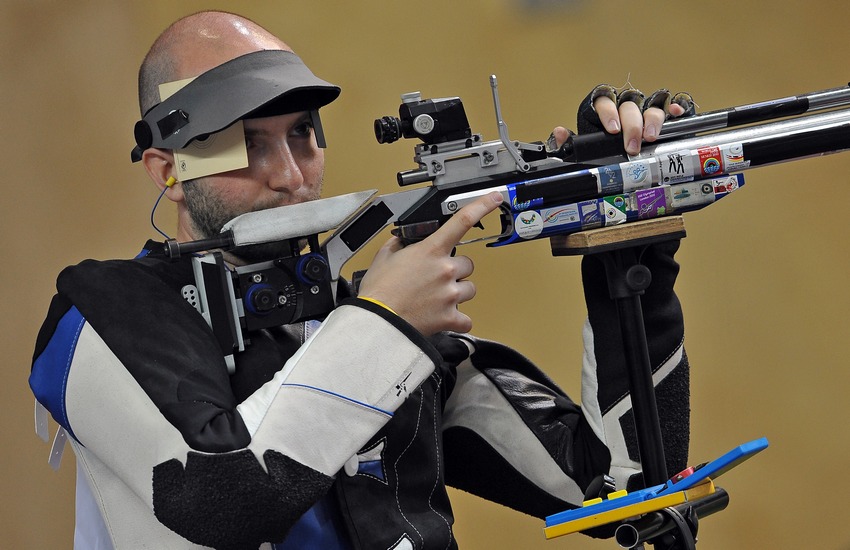 Un secondo posto che vale. Niccolò Campriani ha centrato l'obiettivo nella finale di Coppa del Mondo di tiro a segno, a Gabala, in Azerbaijan, nella manifestazione che vede la partecipazione di 39 nazioni per un totale di 154 atleti.
Nella prima giornata di gare il campione olimpico ha conquistato il secondo posto nella carabina 10 metri uomini (205.8), piazzandosi dietro al russo Nazar Louginets (209.0), e davanti al cinese Qinan Zhu. Il tiratore azzurro, che ai Mondiali di Granada ha conquistato la carta olimpica nella carabina 3 posizioni per i Giochi di Rio 2016, ha così riscattato il 18° posto ottenuto ai recenti Mondiali di Granada, ribadendo ancora una volta il proprio talento nella specialità dove aveva vinto il titolo mondiale nel 2010.
Questa mattina erano scese sulle linee di tiro anche le atlete di carabina ad aria compressa femminile: la campionessa mondiale Petra Zublasing, unica azzurra in gara, ha chiuso in quinta posizione. La competizione è stata vinta dalla cinese Siling Yi (207.7), seguita dalla serba Andrea Arsovic (207.4) e dalla cinese Liuxi Wu. Domani sarà in gara Riccardo Mazzetti nella specialità di pistola automatica.
CARABINA 10 METRI UOMINI
1. LOUGINETS Nazar (RUS) 209.0
2. CAMPRIANI Niccolò (ITA) 205.8
3. ZHU Qinan (CHN)
CARABINA 10 METRI DONNE
1. YI Siling (CHN) 207.7
2. ARSOVIC Andrea (SRB) 207.4
3. WU Liuxi (CHN)
Pagina 910 di 1001